


 SPARK Website
Intelligent Solar Trash Compressors for Efficient Public Waste Collection
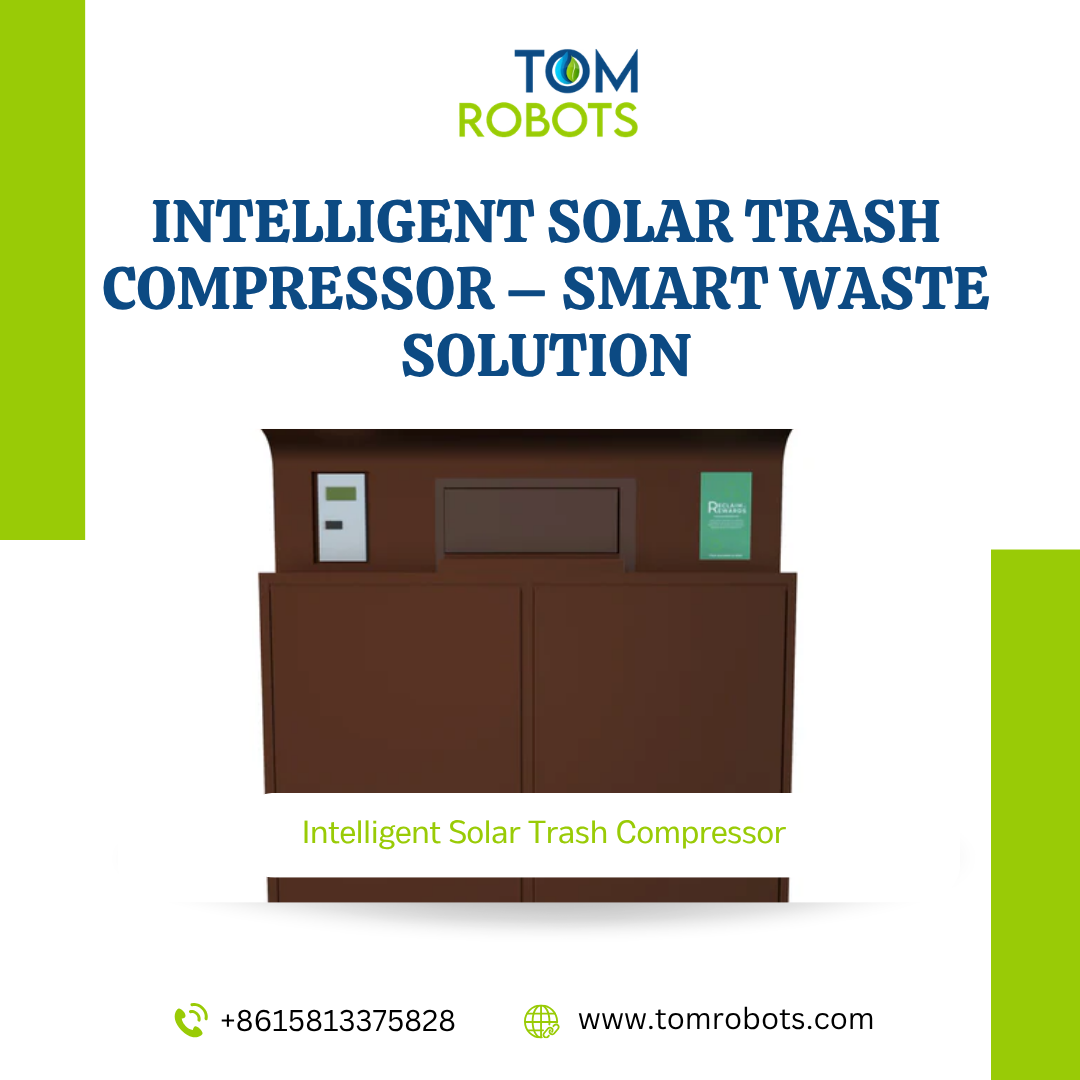
Anyone who manages public spaces knows the problem intimately: a bin that was empty in the morning is overflowing by noon, and the collection truck isn't scheduled until the next day. Litter spreads around the base, the area looks neglected, and complaints start coming in. Meanwhile, on quieter streets across the same city, trucks are making rounds to empty bins that are barely a quarter full. The inefficiency runs in both directions — too much waste in some places, unnecessary collection trips everywhere else. Intelligent Solar Trash Compressor with built-in smart monitoring are one of the more practical answers to this problem, and cities that have adopted them are seeing measurable improvements in both cleanliness and operating costs.
Why Standard Bins Fall Short in High-Traffic Areas
A conventional outdoor bin has a fixed capacity and no way of communicating when it's full. Collection schedules are set in advance based on estimates, which means crews often arrive too late in busy areas and too early everywhere else. In locations with consistently high foot traffic — transit hubs, shopping precincts, parks on weekends, university campuses during term — a standard bin can reach capacity within hours of being emptied. Once it overflows, waste spreads, the surrounding area deteriorates quickly, and the problem compounds until someone physically comes to deal with it.
The labor, fuel, and vehicle costs associated with running fixed collection schedules across an entire city add up significantly over a year. Much of that expense goes toward trips that weren't strictly necessary, or toward managing the fallout from overflows that a smarter system would have prevented.
What a Solar Trash Compressor Actually Does
The core function is straightforward: a solar-powered compaction mechanism compresses waste inside the bin automatically, reducing its volume and allowing the container to hold several times more material than a conventional bin of the same external size. The solar panel on top powers the compactor independently, with no need for external electrical connections. That matters because it means these units can be placed anywhere — beachfronts, hiking trail entrances, outdoor markets, remote park areas — without infrastructure constraints.
The practical effect is that bins need to be emptied far less frequently. A location that previously required daily or twice-daily collection might only need a pickup every few days. That reduction compounds across an entire network of bins, translating into fewer truck routes, lower fuel consumption, and less wear on collection vehicles.
Smart Monitoring Changes How Collection Works
The compaction alone would be a useful improvement. What makes an Intelligent Solar Trash Compressor genuinely useful at a systems level is the monitoring technology built into modern units. Fill-level sensors track how full each bin is in real time, and that data feeds into a cloud-based platform that collection teams can access remotely. Instead of running fixed routes on fixed schedules, crews can see exactly which bins need attention and plan their routes accordingly.
The difference in operational efficiency is often significant. Collection teams, stop wasting time on bins that don't need servicing. Some systems also send automatic alerts, when a bin reaches a set capacity threshold, so the right person gets notified, without anyone having to check manually. Maintenance alerts flag when a unit needs attention before it becomes a problem, reducing downtime.
For city managers and facilities teams working across large areas, having accurate data rather than rough estimates changes, how decisions get made. Resources go where they're actually needed rather than being distributed based on a schedule drawn up weeks ago.
The Environmental Case
Running on solar energy means these units draw nothing from the grid during normal operation. That's a straightforward win for any organization with sustainability targets — the bins effectively run on sunlight, with no ongoing energy cost and no associated emissions from power consumption. In locations where grid access would be difficult or expensive to arrange, solar operation is also simply the most practical option.
The reduction in collection frequency has its own environmental impact. Fewer truck movements mean lower fuel consumption and reduced exhaust emissions across the collection fleet. For a city running hundreds of collection vehicles across thousands of pickup points, even a modest reduction in trip frequency produces a meaningful decrease in total emissions over the course of a year. The compactors also reduce the volume of waste being transported per trip, which contributes further to overall efficiency.
Where These Systems Make the Most Sense
High foot traffic is the main qualifier. Locations where waste generation is consistently heavy throughout the day — transit stations, busy parks, shopping areas, sports venues, campuses, tourist sites — are where the return on investment is clearest. In these environments, the combination of higher capacity and demand-driven collection scheduling addresses the core problem directly: bins that fill fast get emptied when needed rather than overflowing between fixed pickups.
They also work well in areas where overflow creates a particularly visible problem. A beach or a well-maintained public park where litter looks especially out of place benefits as much from the appearance management side as from the operational efficiency. Solutions based on Outdoor Waste Compression With Solar technology help maintain cleaner public environments while reducing maintenance pressure on waste management teams.
A Practical Upgrade for Public Infrastructure
The technology isn't complicated to understand — solar power runs a compactor, sensors report fill levels, data guides collection schedules. But the practical impact of getting those three things working together in a public waste context is considerable. Cleaner spaces, lower operating costs, fewer unnecessary vehicle movements, and better use of collection teams' time are outcomes that make a real difference to how a city or managed space functions day to day. Organizations looking at smarter waste infrastructure are increasingly turning to systems such as an Outdoor Solar Garbage Collector from Tom Robots, whose design supports exactly these operational and sustainability priorities.

 عربي
عربي