


 SPARK Website
Boats Manufacturer in UAE and the Evolution of Advanced Vessel Construction
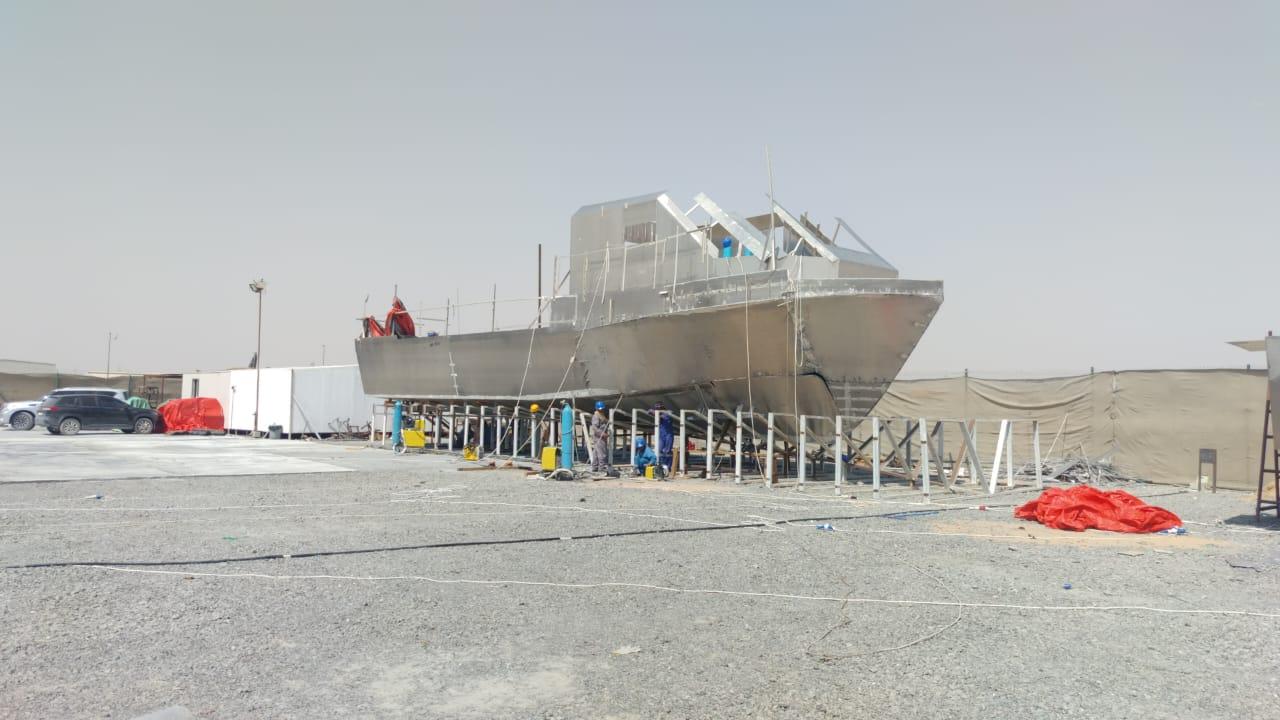
The maritime industry has undergone remarkable changes over the last few decades, driven by technological innovation, sustainability goals, and growing global trade. Today, a boats manufacturer in UAE plays a crucial role in developing modern vessels that deliver higher efficiency, safety, and environmental performance. Modern boat construction is no longer limited to traditional fabrication methods. Instead, it involves advanced engineering, lightweight materials, automation, and smart technologies that improve vessel performance while reducing operating costs.
The United Arab Emirates has become one of the most important maritime centers in the Middle East. Its strategic location between major global trade routes has encouraged significant investments in ports, marine infrastructure, and vessel construction capabilities. As maritime trade continues to grow worldwide, the demand for technologically advanced boats and marine vessels is increasing rapidly.
The Growth of the UAE Maritime Industry
The UAE maritime sector has witnessed impressive growth over the past two decades. According to industry estimates, the maritime industry contributes billions of dollars annually to the country's economy through shipping, logistics, offshore operations, tourism, and vessel construction activities.
Global seaborne trade has surpassed 12 billion tons annually, demonstrating the growing importance of marine transportation in international commerce. The expansion of global trade has created strong demand for modern vessels capable of operating efficiently while meeting strict international safety and environmental standards.
The UAE's commitment to maritime development has positioned the nation as a major hub for marine innovation. Continuous investments in infrastructure and technology have enabled the industry to support increasing regional and international maritime activities.
Traditional Boat Building vs. Modern Vessel Construction
Boat construction has evolved significantly from traditional methods that relied heavily on steel fabrication and manual manufacturing processes. While conventional vessels offered durability, they often required substantial maintenance and consumed higher amounts of fuel.
Today's vessel construction methods incorporate:
- Computer-aided design (CAD)
- Digital engineering systems
- Advanced fabrication technologies
- Lightweight construction materials
- Automated manufacturing processes
- Smart onboard systems
These advancements allow manufacturers to create vessels that are stronger, lighter, and more efficient than ever before. The result is improved operational performance and reduced lifetime ownership costs.
The Rise of Aluminum in Boat Manufacturing
One of the most significant developments in advanced vessel construction is the increasing use of aluminum. Modern aluminium boat builders are adopting lightweight designs that improve fuel efficiency while maintaining structural strength and durability.
Research indicates that aluminum vessels can weigh up to 40% less than comparable steel vessels. This reduction in weight directly contributes to improved speed, lower fuel consumption, and increased payload capacity.
Benefits of Aluminum Construction
Reduced Fuel Consumption
Lighter vessels require less engine power, resulting in improved fuel efficiency and lower operating expenses.
Corrosion Resistance
Marine environments expose vessels to saltwater and extreme weather conditions. Aluminum naturally resists corrosion, reducing maintenance requirements and extending service life.
Enhanced Performance
The lightweight nature of aluminum allows vessels to achieve better speed and maneuverability compared to heavier alternatives.
Sustainability
Aluminum is highly recyclable, making it one of the most environmentally friendly materials used in modern vessel construction.
These advantages have made aluminum a preferred material for commercial boats, patrol vessels, passenger ferries, workboats, and recreational marine applications.
Digital Engineering and Smart Design Technologies
The introduction of digital engineering tools has revolutionized how vessels are designed and manufactured. Modern software enables engineers to create highly detailed virtual models before physical construction begins.
Advanced digital systems help manufacturers:
- Simulate vessel performance
- Analyze structural integrity
- Optimize fuel efficiency
- Improve weight distribution
- Reduce design errors
Industry studies suggest that digital engineering technologies can reduce development costs by more than 20% while significantly improving project accuracy.
Three-dimensional modeling and simulation technologies also allow designers to identify potential issues early in the development process, reducing costly modifications during production.
Automation in Modern Boat Construction
Automation has become a major driving force behind the evolution of vessel construction. Leading boat building company operations increasingly utilize robotic welding systems, CNC cutting technologies, and digital production methods to improve accuracy and reduce manufacturing time.
Modern automation delivers several benefits:
- Faster production cycles
- Higher manufacturing precision
- Reduced material waste
- Improved workplace safety
- Consistent product quality
Industry reports indicate that automated manufacturing systems can increase productivity by 20–30%, depending on project complexity and production scale.
As demand for specialized vessels continues to grow, automation helps manufacturers maintain efficiency while ensuring compliance with strict quality standards.
Sustainability and Green Vessel Development
Environmental sustainability has become a major focus throughout the maritime industry. Many aluminium boats manufacturers are investing in eco-friendly production techniques and recyclable materials to support global sustainability goals while delivering high-performance vessels.
The International Maritime Organization (IMO) continues to promote initiatives aimed at reducing emissions across the shipping industry. As a result, vessel designers are focusing on solutions that minimize environmental impact.
Key Sustainability Trends
Fuel-Efficient Hull Designs
Modern hull shapes reduce water resistance, helping vessels consume less fuel during operation.
Hybrid Propulsion Systems
Many new vessels now integrate hybrid technologies that combine conventional engines with electric propulsion systems.
Lightweight Construction
Reduced vessel weight contributes directly to lower fuel consumption and reduced carbon emissions.
Recyclable Materials
The use of recyclable materials supports long-term environmental sustainability while reducing waste.
Studies suggest that optimized vessel designs can improve fuel efficiency by 10–25%, depending on vessel type and operating conditions.
Enhanced Safety Through Advanced Technologies
Safety remains one of the most critical aspects of modern vessel construction. Advanced technologies now provide greater protection for crew members, passengers, and onboard equipment.
Modern vessels frequently include:
- Smart navigation systems
- Real-time monitoring technologies
- Collision avoidance equipment
- Emergency communication systems
- Automated fire detection solutions
Research indicates that human error contributes to a significant percentage of maritime incidents worldwide. Advanced navigation and monitoring systems help reduce these risks by providing operators with accurate real-time information.
Predictive maintenance systems also enable operators to identify equipment issues before they develop into major failures, improving overall vessel reliability.
Growing Demand for Specialized Vessels
The maritime industry increasingly requires specialized vessels designed for specific operational purposes. Different sectors require unique capabilities to support their activities efficiently.
Examples include:
- Offshore support vessels
- Crew transfer boats
- Passenger ferries
- Patrol boats
- Tourism vessels
- Rescue boats
- Research vessels
The offshore energy industry, in particular, continues to generate strong demand for advanced support vessels capable of operating safely in challenging marine environments.
As industries evolve, manufacturers are focusing on customization and innovative engineering solutions to meet diverse operational requirements.
Economic Impact of Advanced Vessel Construction
Advanced vessel construction contributes significantly to economic development by supporting employment, innovation, and industrial growth.
The global shipbuilding market is projected to exceed $200 billion in the coming years, driven by increasing maritime trade, fleet modernization programs, and technological advancements.
The vessel construction sector supports a wide range of related industries, including:
- Marine engineering
- Logistics
- Electronics manufacturing
- Metal fabrication
- Software development
- Port operations
This interconnected ecosystem strengthens national economies while encouraging technological progress across multiple sectors.
The Role of VU Marine in Modern Boat Construction
Among organizations contributing to modern vessel construction, VU Marine continues to support the industry's evolution through advanced engineering practices and innovative manufacturing approaches.
By focusing on quality, durability, and efficient vessel performance, VU Marine contributes to the growing demand for modern marine solutions. The company's emphasis on advanced construction techniques reflects the broader transformation taking place throughout the maritime industry.
As technology continues to advance, organizations like VU Marine play an important role in supporting the development of next-generation vessels designed to meet future operational and environmental requirements.
The Future of Advanced Vessel Construction
The future of vessel construction will be shaped by emerging technologies that continue to improve efficiency, safety, and sustainability.
Key developments expected in the coming years include:
- Artificial intelligence in vessel design
- Autonomous marine systems
- Fully electric propulsion technologies
- Digital twin technology
- Smart connected vessels
- Advanced lightweight materials
Industry experts believe these innovations will transform how vessels are designed, built, maintained, and operated throughout their lifecycle.
As maritime industries continue to expand globally, advanced vessel construction will remain essential for supporting trade, transportation, offshore operations, and marine tourism.
Conclusion
The evolution of vessel construction has transformed the maritime industry, creating safer, more efficient, and environmentally responsible boats. From digital engineering and automation to lightweight aluminum construction and sustainable technologies, modern manufacturing methods continue to redefine vessel performance standards.
The UAE's growing maritime sector provides a strong foundation for continued innovation in advanced boat construction. With increasing demand for specialized vessels, stricter environmental regulations, and rapid technological progress, the future of marine manufacturing looks highly promising. Through continuous innovation and a commitment to quality, companies such as VU Marine are helping shape the next generation of advanced marine vessels for global markets.

 English