


 SPARK Website
Is Soursop Illegal in the US? Everything You Need to Know
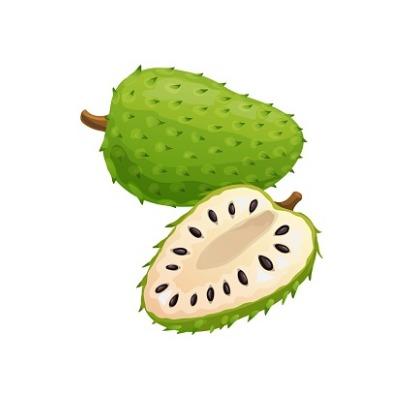
Soursop, also known as graviola or guanabana, is a tropical fruit that has become increasingly popular in the United States due to its unique taste and reported health benefits. Native to the Caribbean, Central America, South America, and parts of Africa, soursop is enjoyed fresh, blended into juices, used in desserts, and sold as teas and dietary supplements. Despite its popularity, many people searching online encounter claims that soursop is illegal in the United States.
The short answer is no—soursop is not illegal in the US. Americans can legally buy, sell, import, and consume soursop in various forms. However, confusion surrounding health claims, supplement regulations, and scientific research has led many people to believe otherwise. Understanding the facts can help separate truth from misinformation.
What Is Soursop?
Soursop is the fruit of the Annona muricata tree. It has a green, spiky outer skin and soft white flesh inside. The fruit is known for its sweet and tangy flavor, often described as a blend of pineapple, strawberry, banana, and citrus fruits.
In addition to its pleasant taste, soursop contains nutrients such as vitamin C, dietary fiber, antioxidants, potassium, and other beneficial plant compounds. For centuries, traditional medicine practitioners have used different parts of the soursop tree, including its leaves, bark, roots, and seeds, for various health-related purposes.
As interest in natural remedies has grown worldwide, soursop has attracted attention from health enthusiasts and researchers alike.
Is Soursop Banned in the United States?
No, soursop is not banned in the United States. The fruit is legally available in many grocery stores, specialty food markets, Caribbean markets, Latin American supermarkets, and online stores.
Consumers can purchase fresh soursop when it is in season, as well as frozen pulp, juices, candies, teas, powders, and supplements containing soursop extracts. If the fruit were illegal, these products would not be openly sold across the country.
The misconception often comes from misunderstanding government regulations concerning health claims and dietary supplements.
Why Do People Think Soursop Is Illegal?
The belief that soursop is illegal largely comes from internet rumors and misleading information shared on social media. Many online posts claim that soursop has powerful medicinal properties that have been hidden from the public.
Some articles suggest that pharmaceutical companies or government agencies have tried to suppress soursop because it allegedly cures cancer more effectively than conventional treatments. These stories often attract attention because they involve conspiracy theories and extraordinary health claims.
However, there is no evidence that the US government has banned soursop for these reasons. The fruit remains legal and widely available.
Most confusion arises from restrictions on how soursop products can be marketed rather than restrictions on the fruit itself.
The Cancer Claim Controversy
One of the main reasons soursop receives so much attention is its connection to cancer-related claims. Several laboratory studies have found that certain compounds in soursop can affect cancer cells in test-tube experiments.
While these findings have generated scientific interest, laboratory results do not prove that a substance can cure cancer in humans. Many compounds show promising effects in early research but fail to demonstrate effectiveness during human clinical trials.
At present, there is no reliable scientific evidence showing that soursop can cure, treat, or prevent cancer in people. Health experts and medical organizations agree that more research is needed before any such conclusions can be made.
Because these claims remain unproven, companies are not allowed to advertise soursop as a cancer cure in the United States.
FDA Regulations and Soursop
The U.S. Food and Drug Administration (FDA) regulates foods, supplements, and health products sold in the country. The FDA's role is to protect consumers by ensuring that products are safe and that marketing claims are accurate.
If a company claims that a soursop supplement can cure cancer, reverse diabetes, or treat another serious illness without scientific proof, the FDA may take action. This can include warning letters, product seizures, or requirements to remove misleading claims.
These actions are often misunderstood by consumers who assume that regulators are targeting the fruit itself. In reality, regulators are addressing false advertising and unsupported medical claims.
The fruit remains legal, while misleading health claims may be restricted.
Are There Safety Concerns About Soursop?
Although soursop is generally considered safe as a food, researchers have examined potential risks associated with excessive consumption of certain compounds found in the plant.
Soursop contains naturally occurring substances called annonaceous acetogenins. Some scientific studies have suggested that very high levels of exposure to these compounds could potentially affect the nervous system.
Researchers have investigated possible links between long-term heavy consumption of soursop products and Parkinson-like symptoms in certain populations. While these findings are not conclusive, they have encouraged further study and prompted health experts to recommend moderation.
For most people, consuming soursop as part of a balanced diet is not considered dangerous. However, concentrated extracts and supplements should be used carefully, especially without medical guidance.
Import Regulations and Availability
Another reason some people mistakenly believe soursop is illegal involves import regulations. Like many fruits imported into the United States, soursop shipments must meet agricultural inspection requirements.
Government agencies inspect imported fruits to prevent pests, plant diseases, and invasive species from entering the country. Occasionally, shipments may be rejected if they fail to meet these standards.
These agricultural rules apply to many imported fruits and vegetables. They are not evidence that soursop is banned or prohibited.
Approved shipments continue to enter the United States and supply markets across the country.
Can You Buy Soursop in the US?
Yes, soursop is widely available throughout the United States. Depending on where you live, you may find fresh fruit in tropical fruit markets or specialty grocery stores. Frozen soursop pulp is often easier to find and is commonly used in smoothies and desserts.
Many online retailers also sell soursop tea, powders, capsules, juices, and extracts. Consumers interested in purchasing these products should choose reputable brands and be cautious of exaggerated health claims.
Reading labels carefully and consulting healthcare professionals before using supplements is always a good practice.
The Truth About Soursop's Legal Status
The truth is simple: soursop is legal in the United States. The fruit can be legally imported, sold, purchased, and consumed. The rumors about it being illegal are largely based on misunderstandings regarding health claims and government regulations.
Authorities are primarily concerned with ensuring that companies do not make false or misleading medical claims. These regulations protect consumers from products that promise unrealistic results without scientific evidence.
Conclusion
Soursop is not illegal in the US. The tropical fruit remains widely available and is enjoyed by many people for its flavor and nutritional value. While research continues to explore its potential health benefits, there is currently no scientific proof that it can cure serious diseases such as cancer.
The confusion surrounding soursop's legal status stems from regulations on supplement marketing and unsupported health claims rather than any ban on the fruit itself. Consumers can continue to enjoy soursop while remaining cautious of exaggerated claims that are not backed by reliable scientific evidence.
Understanding the difference between regulatory oversight and prohibition helps clarify why rumors about soursop being illegal continue to circulate despite the fruit being completely legal in the United States.

 عربي
عربي