


 SPARK Website
Everything You Need to Know About Extended Producer Responsibility (EPR) in Plastic Waste Management in India
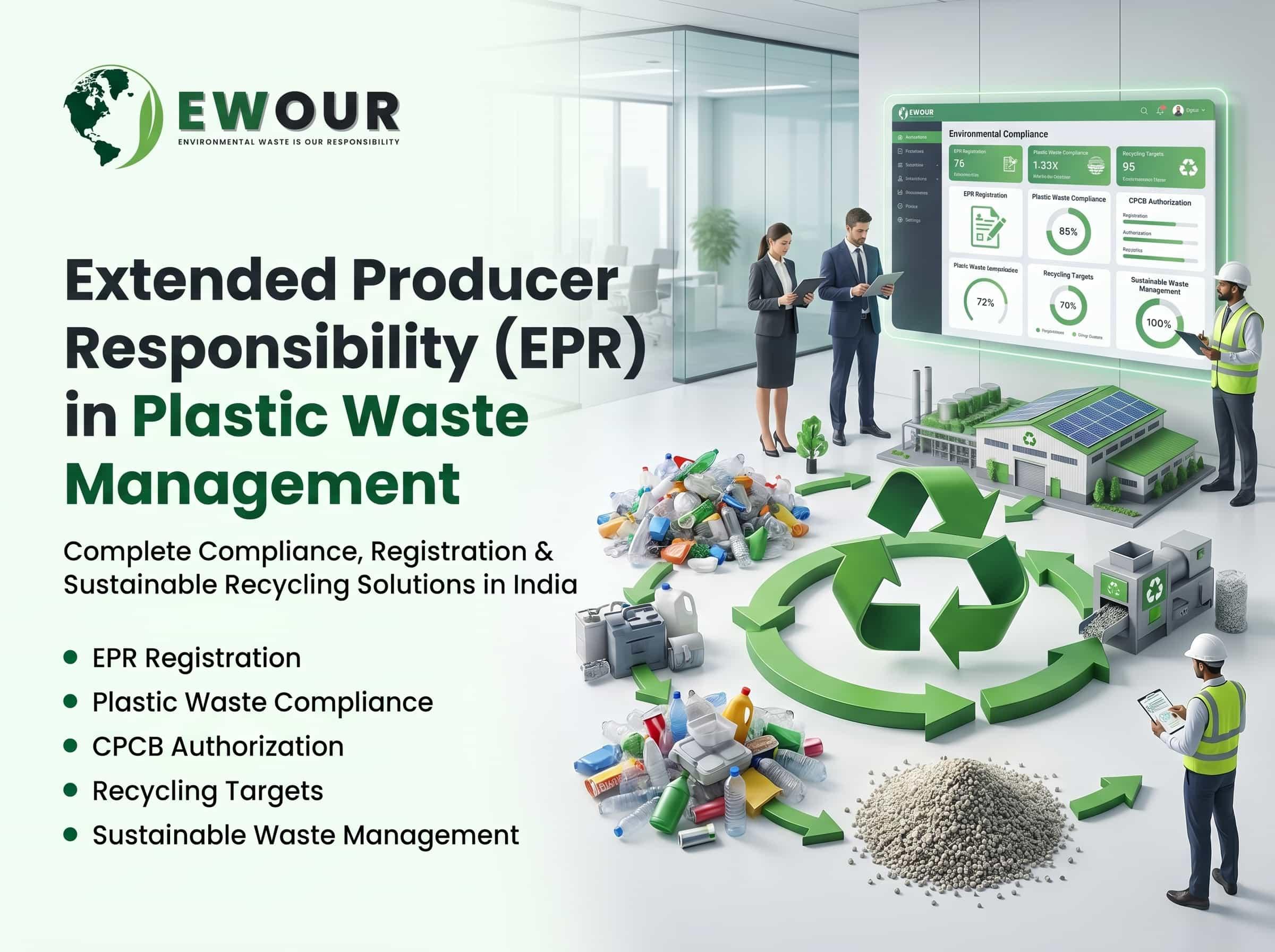
Introduction
In India, millions of tonnes of plastic waste is generated every year. Starting from food packaging and carrier bags to industrial packaging, plastic has become an indispensable part of modern business. On the other hand, rising quantities of plastic waste have posed serious environmental issues such as land and marine pollution and burden on the waste management facilities.
As a solution to this problem, Extended Producer Responsibility in Plastic Waste Management has been proposed by the Indian government within their environmental compliance mechanism. The principle implies that producers who bring plastic packaging products into circulation should be responsible for the recycling and environmentally friendly disposal of plastic waste.
Therefore, knowledge of EPR for Plastic Waste in India has become imperative for manufacturers, importers, brand owners, and packaging companies operating in India.
Understanding Extended Producer Responsibility in Plastic Waste Management
Introduction of Extended Producer Responsibility in Plastic Waste Management is an environment-related approach wherein responsibility for management of waste arising after consumption is placed on the producers.
Instead of shifting the entire liability of waste management onto local authorities, EPR encourages the business community to take part in the collection, recycling, and disposal processes of plastic waste.
Within the scope of the Plastic Waste Management in India, organizations which use plastic packaging for marketing of goods are expected to set up ways of achieving recycling goals defined by the regulatory body.

The following are the key purposes of EPR:
- Reducing plastic pollution
- Increasing recycling rates
- Encouraging circular economy practices
- Promoting sustainable waste management
- Enhancing accountability among producers
Why EPR Matters for Businesses in India
EPR is first considered to be regulatory for many companies. But companies that have understood its importance consider it to be one of their corporate responsibilities.
Proper compliance with plastic packaging will help organizations:
- Maintain legal compliance
- Strengthen environmental commitments
- Improve corporate reputation
- Meet ESG and sustainability goals
- Build trust with consumers and stakeholders
Increasingly, investors, customers, and regulators expect businesses to demonstrate responsible waste management practices.
Key Regulations Governing Plastic Waste EPR in India
The backbone of Extended Producer Responsibility (EPR) rules for Plastic Waste in India is embedded in the Plastic Waste Management Rules and its amendments made by the Ministry of Environment, Forests & Climate Change (MoEFCC).
Regulatory features are as follows:
Plastic Waste Management Rules
These rules define responsibilities related to plastic packaging waste generation, collection, recycling, and disposal.
CPCB EPR Guidelines
The Central Pollution Control Board (CPCB) provides implementation guidelines, registration procedures, reporting requirements, and recycling targets.
Annual Compliance Requirements
Registered entities must periodically report their plastic packaging quantities, recycling activities, and compliance achievements.
Failure to comply may result in regulatory action, financial penalties, or restrictions on business operations.
Who Needs EPR Registration?
Businesses often ask whether EPR registration applies to them. In most cases, registration is mandatory for:
Producers
Companies manufacturing plastic packaging materials.
Importers
Organizations importing products with plastic packaging into India.
Brand Owners
Businesses selling products under their own brand name using plastic packaging.
E-Commerce Sellers
Online sellers introducing packaged products into the Indian market.
Packaging Companies
Businesses involved in packaging and distribution operations.
If your organization places plastic-packaged products in the market, understanding plastic waste management rules and EPR obligations is essential.
How to Get EPR Registration for Plastic Waste Management
One of the most common questions businesses ask is how to get EPR registration for plastic waste management.
The registration process generally involves several stages.
Step 1: Assess Applicability
Determine whether your business qualifies as a Producer, Importer, or Brand Owner (PIBO).
Step 2: Collect Required Documentation
Prepare organizational, operational, and product-related documents.
Step 3: Register on the CPCB Portal
Submit company information through the designated CPCB platform.
Step 4: Prepare an EPR Action Plan
Develop a plan outlining collection, recycling, and waste management mechanisms.
Step 5: Submit Application
Upload documents and compliance details for review.
Step 6: Verification and Approval
Regulatory authorities review submissions before issuing approval.
This forms the basis of the plastic waste EPR registration process in India.
Documents Required for Plastic Waste EPR Registration
Understanding the documents required for plastic waste EPR registration helps prevent delays during approval.
Commonly requested documents include:
| Document | Purpose |
|---|---|
| PAN Card | Business identification |
| GST Certificate | Tax registration verification |
| Company Incorporation Documents | Legal business validation |
| IEC Certificate (Importers) | Import authorization |
| Authorized Signatory Details | Application approval |
| Product Information | Packaging details |
| EPR Action Plan | Compliance strategy |
| Recycling Agreements | Waste management arrangements |
Accurate documentation significantly improves application efficiency.
CPCB EPR Compliance for Plastic Waste Management
Achieving CPCB EPR compliance for plastic waste management involves more than obtaining registration.
Businesses must continuously demonstrate compliance through:
- Recycling target fulfillment
- Authorized recycler engagement
- Data reporting
- Record maintenance
- Annual filings
- Regulatory updates monitoring
Organizations that view EPR as an ongoing compliance function generally experience fewer operational disruptions.
Benefits of EPR Registration for Plastic Waste
The benefits of EPR registration for plastic waste extend beyond regulatory compliance.
Environmental Benefits
- Reduced plastic pollution
- Increased recycling efficiency
- Improved waste collection systems
- Resource conservation
Business Benefits
- Stronger brand reputation
- Improved stakeholder confidence
- Better ESG performance
- Reduced compliance risks
Operational Benefits
- Structured waste management processes
- Better traceability
- Enhanced sustainability reporting
Many businesses now incorporate EPR initiatives into their long-term sustainability strategies.
Common Challenges in Plastic Waste Compliance
Despite clear regulations, organizations frequently encounter practical difficulties.
Regulatory Complexity
Frequent updates may create uncertainty regarding obligations.
Data Management Issues
Tracking packaging quantities across multiple product lines can be challenging.
Recycler Selection
Finding reliable recycling partners requires careful evaluation.
Reporting Requirements
Maintaining accurate records and filing periodic reports demands consistent monitoring.
Working with experienced waste management consultancy professionals can help businesses address these challenges more effectively.
Common Mistakes Businesses Should Avoid
Several recurring mistakes can delay compliance or increase regulatory risks.
Delaying Registration
Waiting until regulatory notices arrive often creates unnecessary complications.
Incomplete Documentation
Missing or inaccurate information frequently leads to application rejections.
Incorrect Packaging Classification
Misclassification may affect compliance calculations and reporting.
Poor Record Keeping
Insufficient documentation can create difficulties during audits.
Ignoring Annual Obligations
Registration is only the beginning. Ongoing compliance remains equally important.
Role of Producer Responsibility Organizations (PROs)
A Producer Responsibility Organization assists businesses in meeting their EPR obligations through collection, recycling, and compliance support services.
PROs help:
- Coordinate waste collection
- Facilitate recycling partnerships
- Support reporting requirements
- Improve compliance efficiency
Many businesses use PROs as part of their broader plastic recycling compliance strategy.
Practical Example
Consider a food manufacturing company selling packaged products across India.
The company introduces thousands of tonnes of plastic packaging into the market annually. Under EPR regulations, it must:
- Register with CPCB.
- Quantify packaging introduced into the market.
- Establish collection and recycling mechanisms.
- Work with authorized recyclers.
- Submit periodic compliance reports.
- Meet annual recycling obligations.
Without proper compliance planning, the company may face regulatory risks despite having strong product sales.
How Ewour Waste Management Can Support Compliance
Navigating environmental regulations in India can be complex, particularly for organizations operating across multiple states or product categories.
Ewour Waste Management assists businesses by providing guidance on:
- EPR registration support
- Compliance documentation
- CPCB authorization procedures
- Recycling partner coordination
- Annual reporting assistance
- Ongoing regulatory compliance management
The focus remains on helping businesses understand and meet their obligations efficiently while supporting sustainable waste management goals.
Frequently Asked Questions
What is EPR for Plastic Waste in India?
EPR is a regulatory framework that requires producers, importers, and brand owners to take responsibility for collecting and recycling plastic waste generated from their products and packaging.
Is EPR registration mandatory?
Yes. For eligible Producers, Importers, and Brand Owners introducing plastic packaging into the market, registration is mandatory under applicable regulations.
How long does the EPR registration process take?
The timeline varies depending on documentation quality, application completeness, and regulatory review requirements.
What is an EPR certificate for plastic waste management companies?
It is the approval granted after successful registration and verification under the applicable EPR framework.
Can small businesses require EPR registration?
Yes. Eligibility depends on business activities and packaging responsibilities, not solely on company size.
What happens if a company fails to comply?
Non-compliance may result in regulatory notices, penalties, restrictions, or additional enforcement actions.
Do importers need EPR registration?
Yes. Importers introducing plastic-packaged products into India generally fall under EPR obligations.
Conclusion
The Extended Producer Responsibility in Plastic Waste Management is now an essential aspect of the Indian regulatory environment. While regulatory requirements keep changing, organizations need to stop treating EPR for Plastic Waste Management merely as a paperwork process and see it for what it is, an essential element of good business operations.
Companies managing their EPR for Plastic Waste Management in India are not only minimizing potential risks related to compliance requirements but also improving their sustainability results and building trust among stakeholders, thus contributing to a more sustainable future.

 عربي
عربي