


 SPARK Website
How Can Pipe Systems Be Optimized for Greywater Recycling in Homes?
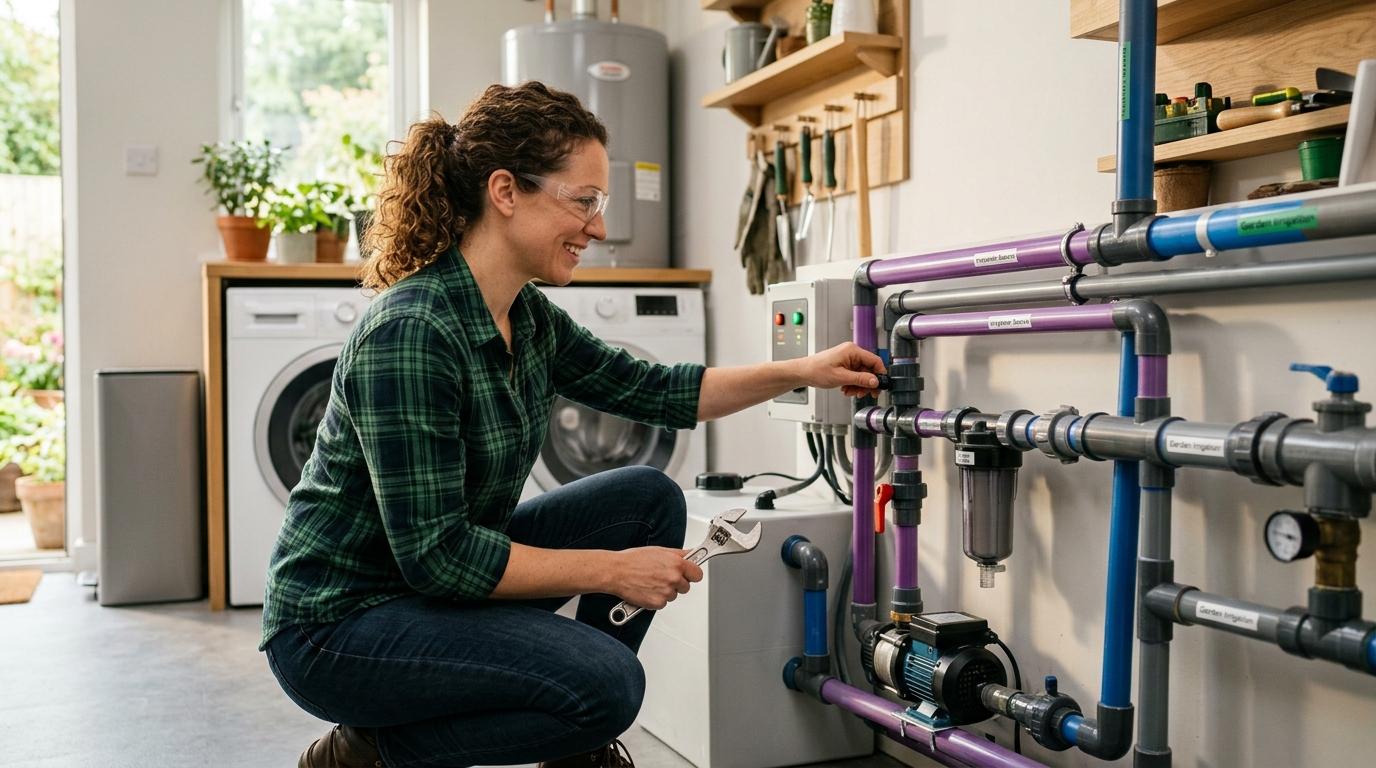
Water conservation has become an important part of modern home design. As freshwater resources become more limited, homeowners and builders are looking for practical ways to reuse water safely. One effective solution is greywater recycling, which involves collecting and reusing water from sinks, showers, and laundry systems.
Pipe systems play a central role in making greywater recycling efficient, safe, and sustainable. Proper design and optimization ensure that water can be reused without contamination or system failure.
What Is Greywater Recycling?
Greywater refers to wastewater generated from non-toilet sources such as:
- Bathroom sinks
- Showers and bathtubs
- Washing machines
Unlike blackwater, greywater contains fewer contaminants and can be treated and reused for non-drinking purposes such as:
- Garden irrigation
- Toilet flushing
- Landscape watering
A well-designed pipe system is essential to transport and manage this water safely.
Importance of Pipe Systems in Greywater Recycling
Pipe systems act as the backbone of greywater recycling. They collect, transport, and distribute water between different areas of the home.
Without proper piping design, risks include:
- Cross-contamination with clean water
- Blockages due to soap or debris
- Leakage and water loss
- Odor buildup
Optimized pipe systems prevent these issues and ensure smooth operation.
Separate Plumbing Lines for Greywater
One of the most important optimization strategies is separating greywater pipes from potable water lines.
This ensures:
- No mixing of clean and used water
- Safer distribution systems
- Easier maintenance and inspection
Dedicated greywater lines reduce contamination risks significantly.
Proper Pipe Sizing for Efficient Flow
Pipe diameter plays a major role in greywater systems. If pipes are too small, blockages can occur. If they are too large, water may stagnate.
Proper sizing ensures:
- Smooth water flow
- Reduced clogging risk
- Better system efficiency
Engineers calculate pipe size based on household water usage and flow rates.
Gravity-Based Pipe Design
Where possible, greywater systems should use gravity flow instead of pumps. This reduces energy consumption and maintenance costs.
Benefits include:
- Lower operational cost
- Fewer mechanical failures
- More sustainable system design
A slight slope in pipe installation allows water to move naturally through the system.
Use of Filtration and Pre-Treatment
Before greywater enters storage or reuse systems, it should pass through filtration units. Pipes must be designed to support this process.
Filtration removes:
- Hair
- Soap residue
- Small debris
- Dirt particles
This prevents blockages and extends system life.
Preventing Pipe Blockages
Greywater contains organic materials that can cause clogging. To reduce this risk, pipe systems should include:
- Smooth inner pipe surfaces
- Minimal sharp bends
- Easy access points for cleaning
- Regular flushing mechanisms
These features help maintain consistent water flow.
Material Selection for Greywater Pipes
Choosing the right pipe material is essential for durability and safety. Greywater systems require pipes that can resist:
- Chemical exposure from detergents
- Moisture-related wear
- Long-term corrosion
High-quality piping systems, such as those offered by Plasco Pipes, are designed to support reliable water transport and long-term performance in residential plumbing applications.
Integration with Irrigation Systems
Greywater systems often connect directly to garden irrigation networks. Pipe optimization ensures smooth water transfer without pressure loss.
Key considerations include:
- Controlled flow distribution
- Pressure regulation
- Timed irrigation cycles
This allows homeowners to reuse water efficiently for landscaping.
Maintenance Access Points
Pipe systems should include inspection and cleaning access points. These allow homeowners or technicians to:
- Remove blockages
- Inspect flow conditions
- Clean internal buildup
Without access points, maintenance becomes difficult and costly.
Avoiding Cross-Connection Risks
One of the most critical safety concerns is preventing cross-connections between greywater and drinking water systems.
This is achieved by:
- Clearly labeled pipe systems
- Physical separation of pipelines
- Backflow prevention devices
These precautions ensure household water safety.
Environmental and Cost Benefits
Optimized greywater systems provide both environmental and financial benefits:
- Reduced water bills
- Lower demand on municipal water supply
- Sustainable home design
- Reduced environmental impact
Over time, these systems contribute to significant resource savings.
Final Thoughts
Greywater recycling is becoming an essential part of sustainable home construction. However, its success depends heavily on how well the pipe system is designed and optimized. Proper pipe sizing, separation, filtration, and material selection ensure safe and efficient water reuse.
With durable piping solutions like those provided by Plasco Pipes, homeowners can build reliable greywater systems that support both sustainability and long-term performance.

 عربي
عربي