


 SPARK Website
Why Heritage Home Interior Design Glasgow Requires Specialist Knowledge of Local Building Traditions
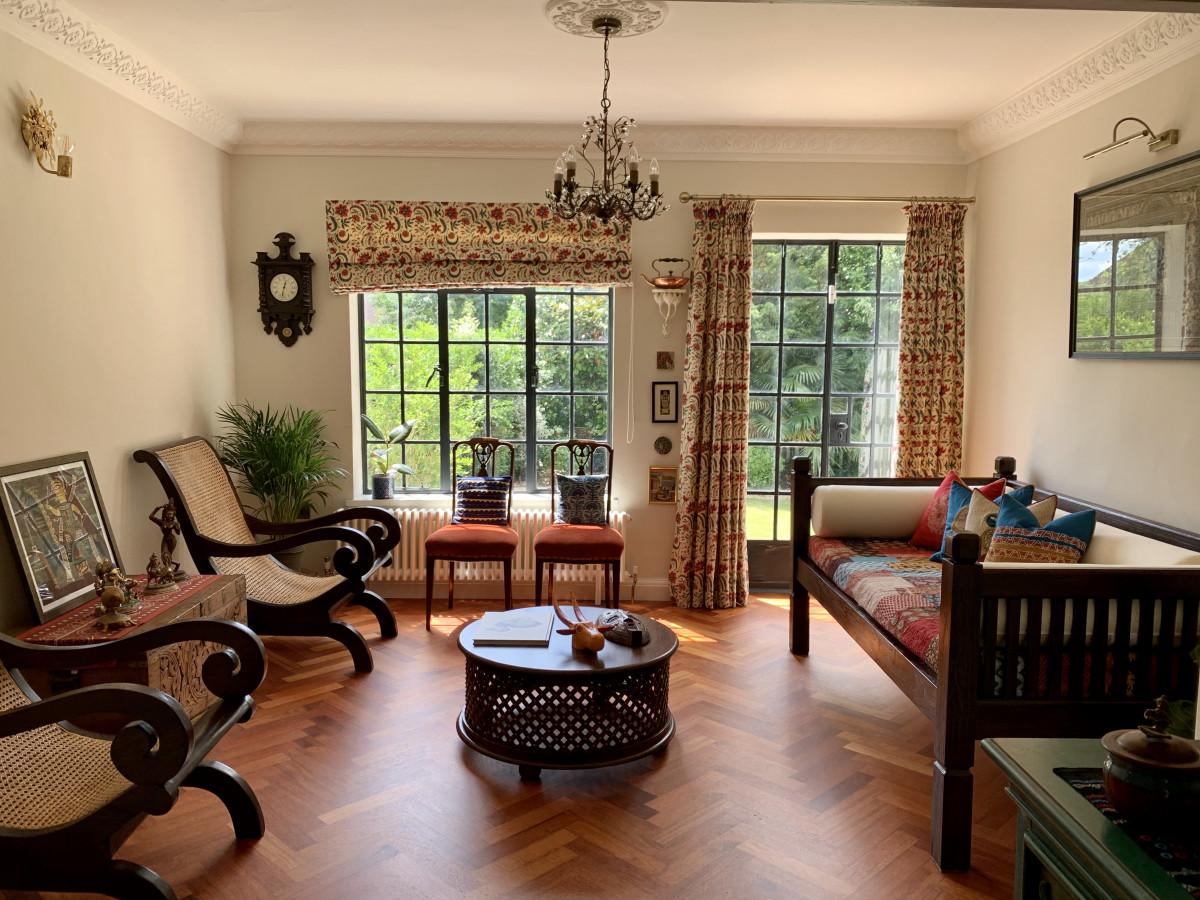
Glasgow is known for its rich architectural heritage. From Victorian terraces and Edwardian villas to traditional sandstone townhouses, the city has thousands of historic homes that reflect centuries of craftsmanship and design. Preserving these properties requires more than basic renovation skills. This is why heritage home interior design Glasgow projects demand a deep understanding of local building traditions and conservation principles.
Many homeowners purchase period properties because they appreciate their character and history. Original fireplaces, decorative plasterwork, timber staircases, stained glass, and handcrafted joinery create a sense of identity that modern homes often lack. However, maintaining these features while adapting properties for contemporary living presents unique challenges.
Historic Environment Scotland continues to emphasize the importance of preserving traditional buildings because they contribute significantly to Scotland’s cultural and architectural identity. Across Glasgow, homeowners are investing in restoration projects that protect these valuable assets while improving comfort and functionality.
The success of these projects often depends on specialist knowledge. Understanding how historic buildings were designed, constructed, and maintained helps ensure that modern interventions support rather than undermine the property's long-term value and authenticity.
The Problem: Historic Homes Are Different from Modern Properties
Many people assume that renovating a historic home follows the same process as updating a modern house. In reality, period properties behave differently because they were built using materials and techniques that are no longer commonly used in contemporary construction.
Traditional Glasgow homes often rely on sandstone, lime mortar, timber structures, and natural ventilation systems. These materials interact with moisture, temperature, and movement differently than modern building products. Without understanding these characteristics, renovations can unintentionally cause damage.
Homeowners frequently focus on visual improvements without considering the building's original construction methods. While modern materials may appear practical, they can sometimes create maintenance issues that affect both appearance and structural performance.
I have seen restoration projects where well-intentioned upgrades caused avoidable problems because the heritage home interior design Glasgow of the property was not fully understood. Proper knowledge often makes the difference between a successful renovation and a costly mistake.
Agitating the Challenge: Poor Decisions Can Damage Character and Value
The risks associated with inappropriate renovations are significant. Removing original features, introducing incompatible materials, or altering historic layouts can reduce the architectural character that makes period homes desirable in the first place.
According to property market studies across the UK, original period features often increase buyer interest and contribute positively to property values. Fireplaces, decorative mouldings, traditional flooring, and historic joinery remain highly sought after by homeowners and investors alike.
Many owners consider adding a single story side extension to improve living space. While extensions can be highly effective, poor design choices may disrupt the balance and proportions of the original building. New additions should complement the property rather than dominate it.
Once historical details are lost, restoring them can be difficult and expensive. This is why specialist guidance is essential from the earliest stages of project planning.
Understanding Glasgow's Unique Building Traditions
One reason heritage home interior design Glasgow projects require specialist expertise is the city's distinctive architectural history. Glasgow experienced significant growth during the Victorian and Edwardian periods, resulting in a large number of high-quality residential buildings.
Many of these homes feature sandstone construction, decorative plaster ceilings, timber paneling, cast-iron details, and handcrafted stonework. These elements were created using techniques that differ considerably from modern construction practices.
Local building traditions also influence room layouts, window designs, and decorative features. Understanding these characteristics helps designers make decisions that respect the original intent of the property while supporting contemporary use.
Specialists familiar with Glasgow's architectural heritage can identify important details that may otherwise be overlooked. Their knowledge helps ensure that restoration efforts enhance rather than diminish historical character.
The Importance of Traditional Materials
Material selection plays a critical role in preserving historic properties. Traditional buildings were designed to work with natural materials that allow structures to breathe and respond to environmental conditions over time.
Lime mortar, timber, stone, and traditional plaster all contribute to the performance of older buildings. Replacing these materials with incompatible modern alternatives can affect moisture movement and potentially create long-term maintenance problems.
Historic England and Historic Environment Scotland consistently advocate for the use of compatible repair materials when restoring heritage properties. Matching original construction methods often produces better long-term results than introducing modern substitutes.
In my experience, homeowners are often surprised by the impact that appropriate materials can have. The right choices not only preserve authenticity but also improve durability and reduce future repair costs.
Preserving Craftsmanship and Architectural Details
Craftsmanship remains one of the defining characteristics of historic Glasgow homes. Decorative cornices, timber staircases, stained glass windows, and detailed joinery reflect the skill of craftsmen who built these properties generations ago.
Preserving these features requires more than routine construction knowledge. Skilled restoration specialists understand how to repair and conserve original elements while maintaining their historical significance and structural integrity.
Many restoration projects focus on repairing rather than replacing historic details. This approach helps retain authenticity while preserving the unique character that distinguishes period homes from modern developments.
Successful heritage home interior design Glasgow projects often prioritize original craftsmanship because these details contribute significantly to both visual appeal and long-term property value.
Balancing Modern Living with Heritage Conservation
Modern homeowners expect practical living spaces that support contemporary lifestyles. Open kitchens, updated bathrooms, improved heating systems, and flexible family areas are common priorities during renovation projects.
The challenge is introducing these improvements without compromising architectural integrity. Specialist designers understand how to integrate modern features while protecting the historical elements that define the property.
For example, a carefully planned single story side extension can provide valuable additional space without disrupting the appearance of the original structure. Sensitive design ensures that new additions work harmoniously with existing architecture.
This balance between conservation and functionality is one of the most important aspects of heritage renovation. The goal is not to freeze buildings in time but to allow them to evolve responsibly.
Real-World Example: Restoring a Glasgow Sandstone Villa
A restored sandstone villa in Glasgow provides an excellent example of how specialist knowledge influences project success. The property featured original plasterwork, timber flooring, decorative fireplaces, and traditional sash windows but required substantial modernization.
The renovation team began with detailed research into the building's history and construction methods. Original materials were retained wherever possible, and repairs were carried out using techniques that respected the building's historical character.
A carefully designed single story side extension was added to create additional family living space. The extension complemented the original architecture while providing modern functionality and improved circulation throughout the home.
The completed project successfully balanced preservation and practicality. Original features remained central to the design while contemporary upgrades enhanced comfort and usability.
Why Local Expertise Matters
Local knowledge provides significant advantages during heritage renovation projects. Professionals who understand Glasgow's architectural history are better equipped to identify challenges, recommend appropriate solutions, and navigate conservation requirements.
Planning regulations, listed building considerations, and conservation area guidelines can vary depending on location and property type. Local specialists often have experience working within these frameworks and can help streamline project delivery.
Knowledge of regional materials and traditional construction techniques also improves decision-making. Designers who understand local building traditions are more likely to recommend solutions that align with historical context and conservation best practices.
This expertise becomes particularly valuable when complex interventions are required. Whether restoring decorative features or planning a single story side extension, informed guidance helps reduce risk and improve outcomes.
Sustainability and Long-Term Preservation
Sustainability has become an increasingly important factor in heritage projects. Many experts now recognize that preserving existing buildings is often more environmentally responsible than replacing them with new construction.
Historic properties contain significant embodied energy in their materials and construction. Retaining and adapting these structures reduces waste while protecting valuable architectural resources. This approach aligns conservation goals with modern environmental priorities.
Energy efficiency improvements can also be incorporated thoughtfully. Upgraded insulation, efficient heating systems, and carefully selected glazing solutions can improve performance without compromising historical character.
Many heritage home interior design Glasgow specialists now integrate sustainability principles into restoration strategies. This helps ensure that historic buildings remain viable and relevant for future generations.
Conclusion
Heritage home interior design Glasgow projects require far more than aesthetic decision-making. They demand a thorough understanding of local building traditions, traditional materials, historic craftsmanship, and conservation principles that have shaped the city's architectural identity.
Without specialist knowledge, renovation projects risk damaging the very features that make period homes valuable and distinctive. Poor material choices, inappropriate alterations, and insensitive extensions can compromise both character and long-term performance.
Whether preserving original plasterwork, restoring timber details, or designing a carefully integrated single story side extension, every decision should respect the building's history while supporting modern living requirements.
Ultimately, heritage home interior design Glasgow succeeds when it combines conservation expertise with practical design solutions. By understanding local traditions and embracing thoughtful restoration practices, homeowners can protect Glasgow's architectural heritage while creating comfortable homes for the future.

 عربي
عربي