


 SPARK Website
Geometry Dash: A Study in Precision and Persistence
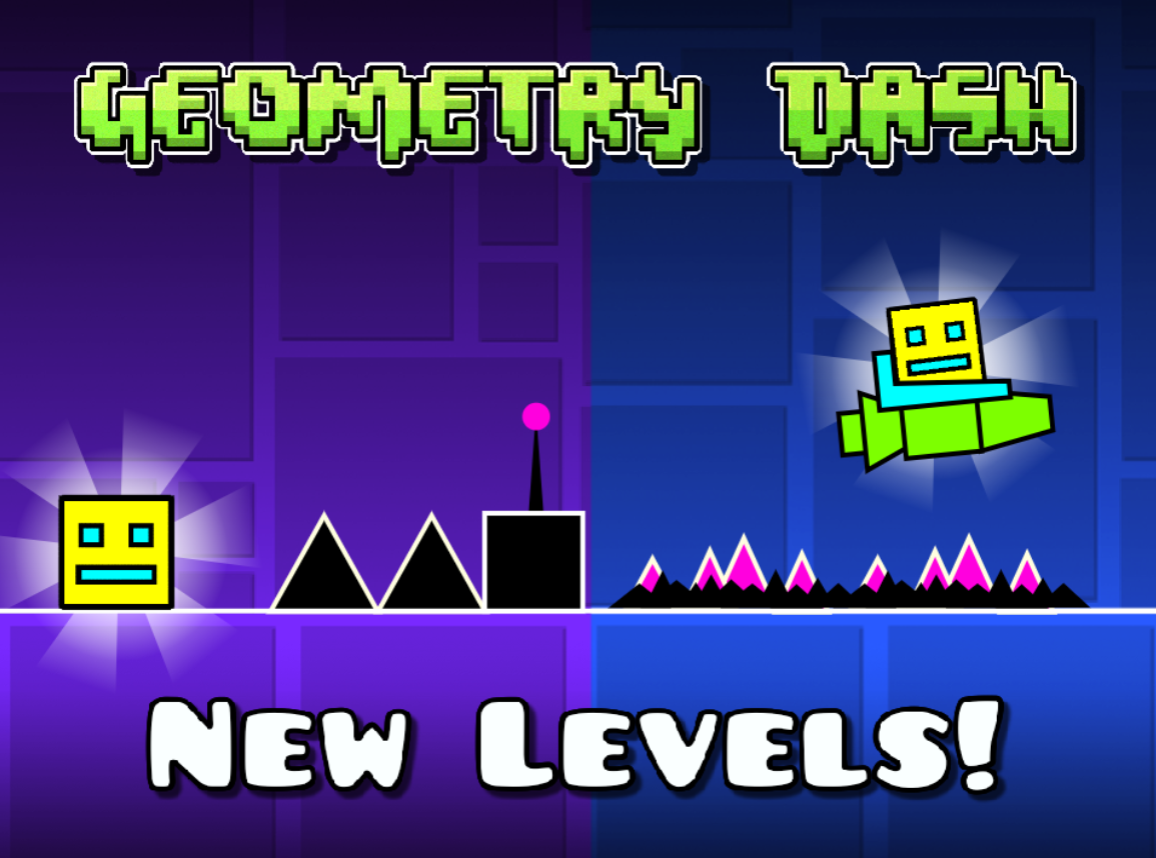
Introduction: More Than a Rhythm Game
Geometry Dash is often described as a rhythm-based platformer, but this definition only captures its surface. Beneath its geometric visuals and electronic soundtrack lies a tightly structured experience that prioritizes precision, focus, and long-term discipline. The game does not rely on complex mechanics or adaptive systems; instead, it builds depth through consistency and demand.
Simplicity That Increases Responsibility
With a single input controlling all movement, Geometry Dash removes strategic alternatives and places full responsibility on timing. Every jump is final, every mistake immediate. This simplicity does not reduce difficulty; it amplifies it. Players cannot compensate for errors with secondary mechanics, forcing complete alignment between intention and execution.
Rhythm as an Invisible Guide
Music in Geometry Dash is not decorative. Each beat aligns with obstacle spacing, speed changes, and visual density. Over time, players learn to anticipate movement through rhythm rather than react visually. This shift transforms the experience from chaotic trial-and-error into structured pattern recognition driven by sound and timing.
Failure as a Learning Mechanism
Instant restarts ensure that failure does not interrupt flow. Instead of punishment, failure becomes information. Each attempt reinforces understanding of spacing, tempo, and transitions. Geometry Dash treats repetition as refinement, encouraging players to analyze mistakes rather than avoid them.

 عربي
عربي