


 SPARK Website
Overcoming Manufacturing Challenges with Advanced Software Tools
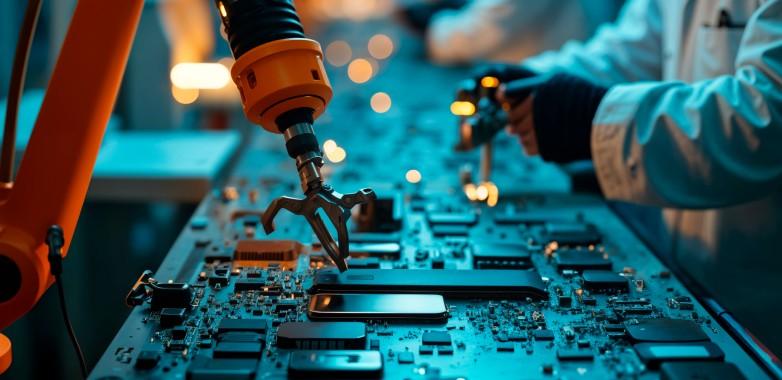
The manufacturing industry is evolving faster than ever. Rising customer expectations, global competition, supply chain disruptions, and the need for higher efficiency are pushing manufacturers to rethink traditional ways of working. While these challenges can seem overwhelming, advanced software tools are helping manufacturers transform obstacles into opportunities.
This blog explores the most common manufacturing challenges and how modern software solutions are enabling smarter, faster, and more resilient operations.
The Growing Challenges in Modern Manufacturing
Manufacturers today face a complex mix of operational, technical, and strategic challenges, including:
· Inefficient production planning
· Lack of real-time visibility across operations
· Quality control issues and rework costs
· Supply chain disruptions and inventory imbalance
· High operational and maintenance costs
· Difficulty scaling operations
· Workforce skill gaps and manual dependency
Relying on spreadsheets, disconnected systems, or manual processes is no longer sustainable in such a demanding environment.
The Role of Advanced Software Tools in Manufacturing
Advanced manufacturing software tools integrate data, automate processes, and provide actionable insights. Instead of reacting to problems after they occur, manufacturers can predict, prevent, and optimize operations in real time.
These tools act as a digital backbone, connecting machines, people, and processes across the factory floor and beyond.
Key Manufacturing Challenges and How Software Solves Them
1. Production Planning and Scheduling Issues
The challenge: Poor demand forecasting and manual scheduling often lead to delays, idle machines, or overproduction.
The solution:
Advanced planning and scheduling software uses real-time data, historical trends, and demand forecasts to:
· Optimize production schedules
· Reduce downtime and bottlenecks
· Improve on-time delivery
This results in smoother workflows and better resource utilization.
2. Lack of Real-Time Operational Visibility
The challenge: Without real-time insights, managers struggle to identify inefficiencies or respond quickly to issues.
The solution:
Manufacturing dashboards and analytics tools provide:
· Live production status
· Machine performance metrics
· Energy consumption data
With real-time visibility, decision-makers can take immediate corrective actions and improve overall efficiency.
3. Quality Control and Compliance Challenges
The challenge: Manual quality checks increase the risk of defects, recalls, and non-compliance.
The solution:
Quality management software helps manufacturers:
· Monitor quality parameters in real time
· Automate inspections and reporting
· Track root causes of defects
This leads to consistent product quality, reduced waste, and improved customer satisfaction.
4. Supply Chain and Inventory Management Problems
The challenge: Overstocking ties up capital, while understocking causes production delays.
The solution:
Advanced inventory and supply chain software enables:
· Accurate demand forecasting
· Automated inventory tracking
· Better supplier coordination
Manufacturers can maintain optimal stock levels and respond quickly to supply chain disruptions.
5. High Maintenance Costs and Unexpected Downtime
The challenge: Reactive maintenance leads to costly breakdowns and lost production time.
The solution:
Predictive maintenance software uses machine data and sensors to:
· Detect early signs of equipment failure
· Schedule maintenance proactively
· Extend machine life
This significantly reduces unplanned downtime and maintenance costs.
6. Workforce Productivity and Skill Gaps
The challenge: Skilled labor shortages and manual tasks limit productivity.
The solution:
Digital workflow and automation tools help by:
· Reducing dependency on manual processes
· Standardizing operations
· Guiding workers with digital instructions
This improves productivity while making it easier to train and upskill employees.
Benefits of Using Advanced Software Tools in Manufacturing
By adopting the right software solutions, manufacturers can achieve:
· Higher production efficiency
· Improved product quality
· Reduced operational costs
· Faster decision-making
· Greater scalability and flexibility
· Enhanced customer satisfaction
Most importantly, software-driven manufacturing is more resilient and adaptable to change.
Choosing the Right Software Tools
To maximize benefits, manufacturers should focus on software that:
· Integrates easily with existing systems
· Scales with business growth
· Provides real-time data and analytics
· Offers strong security and compliance support
· Is user-friendly for shop-floor teams
A well-planned digital transformation strategy ensures long-term success rather than short-term fixes.
Conclusion
Manufacturing challenges are inevitable in today’s competitive and fast-changing market. However, they no longer have to limit growth or profitability. Advanced software tools empower manufacturers to gain visibility, improve efficiency, reduce risks, and make data-driven decisions.
By embracing digital solutions, manufacturers can move from reactive problem-solving to proactive performance optimization—turning challenges into a strong foundation for sustainable success.
Application Development Company in India specializing in custom, secure, and future-ready applications across web and mobile platforms.
Machine learning model training company specializing in building accurate, scalable, and production-ready models for diverse business needs.

 عربي
عربي