


 SPARK Website
Blending Art and Architecture: Office Design and Planning with Aesthetic Enhancements
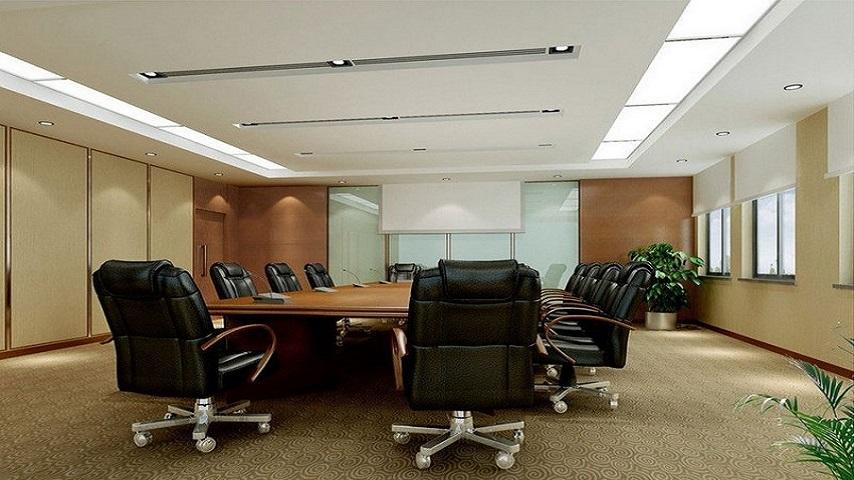
In the evolving world of workspace design, the lines between art and architecture are beautifully blurring. Offices today are no longer confined to functionality alone — they’ve become an extension of a brand’s culture, creativity, and vision. Modern organizations are recognizing that thoughtfully designed environments can spark innovation, strengthen company identity, and boost productivity. The result is a new era of office design — one that harmoniously blends artistic aesthetics with architectural functionality.
The Convergence of Art and Architecture in the Modern Workplace
The integration of art and architecture in office design is not just a visual choice — it’s a strategic one. Architecture lays the foundation of structure and flow, while art adds meaning, emotion, and identity to the space. Together, they create an environment that stimulates creativity and reflects the organization’s ethos.
In traditional offices, architecture was largely about space efficiency — fitting desks, rooms, and utilities within a given floor plan. Art, if present, was often treated as decoration. Today, however, the two disciplines are inseparable. Architectural design now considers how color, form, and artistic installations influence the human experience.
For instance, a sculptural staircase might not just connect floors — it becomes a centerpiece that inspires movement and curiosity. Similarly, wall murals, installations, and curated artworks bring emotional depth, making employees feel connected to their workspace. The result is a workplace that is not only functional but also emotionally engaging.
Art as a Catalyst for Brand Expression
Every brand has a story to tell — and modern office design is one of the most powerful storytelling tools available. The integration of art in corporate interiors allows businesses to communicate their values and vision through visual language.
- Custom Artwork and Installations: Many organizations commission artists to create site-specific works that reflect their mission or industry. A tech firm might opt for digital art reflecting innovation, while a creative agency could feature bold, abstract pieces symbolizing imagination.
- Color Psychology: The colors chosen in architectural finishes and art pieces influence mood and performance. Blue tones promote calm focus, while warm hues like yellow and orange encourage collaboration and energy.
- Cultural Narratives: Local art and craftsmanship bring authenticity to a space. Incorporating regional textures, materials, and motifs connects employees to a sense of place and heritage.
Art in office design is more than aesthetics — it’s a language of identity. It humanizes corporate environments, making them feel inspiring rather than institutional.
Architecture as an Artistic Medium
On the other side of the spectrum, architecture itself has become a form of art. Designers today treat every element — from the curvature of walls to the play of natural light — as part of a visual composition. The emphasis is on creating spatial harmony that feels balanced, rhythmic, and expressive.
Modern architectural approaches emphasize fluidity over rigidity. Open-plan layouts, glass partitions, and organic forms allow visual continuity and encourage collaboration. The architecture is designed to feel artistic — with spatial sequences that unfold like a gallery walkthrough, where every corner has its own visual story.
Lighting design plays a pivotal role in this transformation. Natural light is maximized through large windows and skylights, while artificial lighting is layered to create mood and focus. Pendant lights, sculptural fixtures, and LED highlights are not just functional tools — they are part of the aesthetic composition.
The Role of Aesthetics in Employee Well-being
Beyond visual appeal, aesthetic design directly affects how people feel and perform at work. When art and architecture are thoughtfully integrated, they can foster emotional well-being and cognitive comfort.
- Biophilic Design: Incorporating natural elements such as plants, wood textures, and daylight creates a connection to nature, reducing stress and improving concentration.
- Spatial Variety: Employees thrive when they can choose from different settings — quiet nooks for focus, open lounges for collaboration, and creative corners for brainstorming.
- Sensory Balance: The combination of textures, colors, and materials ensures the environment feels engaging without overwhelming the senses.
Aesthetic design is no longer about luxury — it’s about creating a human-centered experience that nurtures the mind and inspires purpose.
Technology as the New Canvas for Art and Architecture
In the digital age, technology itself is becoming part of the artistic and architectural narrative. Smart office systems and digital installations enhance both functionality and beauty.
Interactive walls display dynamic art that changes throughout the day. Projection mapping and digital screens transform plain surfaces into storytelling tools. Even smart lighting systems can adjust color temperature and brightness to align with circadian rhythms, blending health science with visual design.
This convergence of tech, art, and architecture redefines what modern workspaces can achieve — offering immersive experiences that adapt to both emotion and efficiency.
From Aesthetic Enhancements to Strategic Advantage
Businesses that invest in aesthetically enriched office designs often see measurable benefits. Studies show that employees working in thoughtfully designed spaces report higher satisfaction, creativity, and engagement levels. Clients, too, perceive aesthetically appealing offices as a reflection of professionalism and innovation.
A space that balances beauty with utility becomes a strategic advantage — one that attracts talent, strengthens company culture, and leaves lasting impressions on visitors.
Conclusion: The Future of Office Design Lies in Creative Harmony
Blending art and architecture is not just a design trend — it’s the future of workplace evolution. As organizations continue to embrace hybrid models and flexible environments, the demand for emotionally engaging, visually stimulating, and adaptable spaces will only grow.
Modern Office Fit Out Trends Shaping Workspace Layouts and Furnishing Styles

 عربي
عربي