


 SPARK Website
How to Install a Hybrid Solar System in Brisbane: Cost, Process & Savings
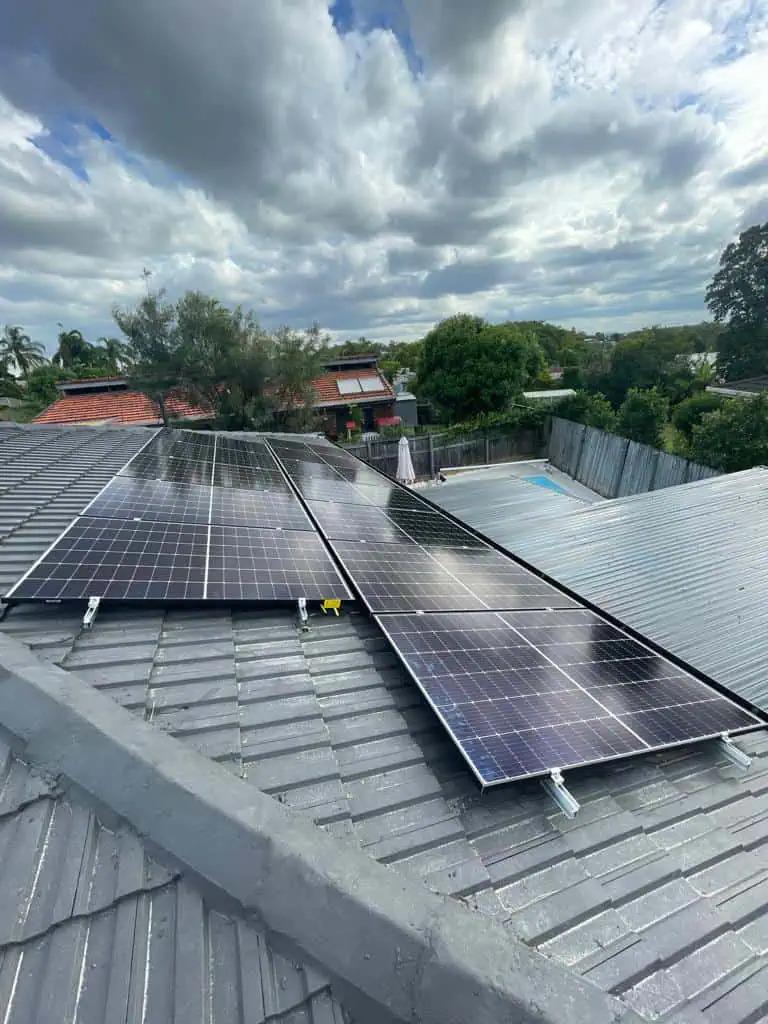
Brisbane homeowners and businesses are increasingly turning to hybrid solar systems as the demand for reliable, cost-efficient, and clean energy continues to rise. With abundant sunshine, modern technology, and supportive government incentives, hybrid solar systems have become one of the smartest long-term investments for energy independence. If you’re planning to switch to hybrid solar, understanding the cost, installation process, and long-term savings is essential.
This guest post outlines everything you need to know about how to install a hybrid solar system in Brisbane, ensuring you make an informed and profitable decision.
What Is a Hybrid Solar System?
A hybrid solar system combines the benefits of traditional grid-connected solar with battery storage. This means you can:
· Use solar energy during the day
· Store excess power in batteries
· Rely on the grid only when needed
· Have backup power during outages
For regions like Brisbane—where sunlight is plentiful but power outages do occur—a hybrid system offers the perfect blend of reliability and savings.
Cost of Installing a Hybrid Solar System in Brisbane
The cost of a hybrid solar system depends on factors such as system size, battery brand, inverter technology, and installation complexity. On average, Brisbane homeowners can expect:
· Small hybrid system (5 kW + 5 kWh battery): Suitable for small families
· Medium hybrid system (6.6 kW – 10 kW + 10 kWh battery): Ideal for medium-sized households
· Large hybrid system (10 kW+ with larger battery sets): Suited for large homes or businesses
While hybrid systems cost more than traditional grid-tie systems, the investment is justified by:
· Battery backup
· Lower grid dependency
· Long-term savings
· Greater energy security
Government rebates, like STCs (Small-scale Technology Certificates), reduce upfront costs, making hybrid systems more affordable for Brisbane residents.
How to Install a Hybrid Solar System in Brisbane: Step-by-Step Process
Installing a hybrid solar system is a strategic and highly technical process. Here is a breakdown of how it works:
1. Site Assessment & Energy Audit
The installer begins with an on-site inspection, checking:
· Your roof condition
· Direction and angle
· Amount of shading
· Daily power usage patterns
This helps determine the optimal system size and battery capacity.
2. System Design & Proposal
A customised design is created based on your home layout and energy requirements. The proposal includes:
· Panel layout
· Inverter type (hybrid inverter recommended)
· Battery model and size
· Estimated savings and ROI
· Final installation cost
3. Approval & Documentation
Solar installations require:
· Grid approval
· Safety compliance checks
· Battery installation certifications
Reputable installers handle all paperwork on your behalf.
4. Installation of Solar Panels
High-quality panels are mounted on the roof with durable racking systems that can withstand Brisbane’s climate. Panels are positioned for maximum sunlight exposure.
5. Inverter & Battery Setup
The hybrid inverter is installed near your switchboard, followed by the battery system. The inverter manages energy flow between:
· Solar panels
· Battery
· Home usage
· Grid
6. Electrical Connection & Testing
The installer connects all components and tests the system to ensure everything operates safely and efficiently.
7. Monitoring Setup
You receive access to a mobile app or dashboard to track:
· Real-time solar generation
· Battery status
· Energy consumption
· Grid usage
This allows you to optimise your energy habits and savings.
Savings from a Hybrid Solar System
Installing a hybrid system in Brisbane offers substantial financial benefits:
✔ Reduced Electricity Bills
You use stored energy at night, cutting down grid usage and reducing monthly bills dramatically.
✔ Protection Against Rising Power Prices
With electricity rates increasing each year, hybrid systems shield you from unpredictable tariff hikes.
✔ Income from Excess Solar
Any unused solar energy can still be exported to the grid, letting you earn through feed-in tariffs.
✔ Backup During Outages
With stored power, your home stays functional even during grid failure—keeping your lights, fridge, and essential appliances running.
✔ Long-Term ROI
Most hybrid systems deliver full payback within 5 to 8 years, followed by decades of free solar energy.
Conclusion
Knowing how to install a hybrid solar system in Brisbane—its cost, process, and long-term savings— helps homeowners and businesses make a confident transition to cleaner and more reliable energy. Hybrid systems provide unmatched flexibility, excellent financial returns, and essential backup power, making them the future of modern energy solutions.
Home Solar Panel Installation: A Smart Step Toward Clean Energy and Lower Bills in Australia
How Rooftop Solar Can Help Every Home Beat Increasing Electricity Costs

 English