


 SPARK Website
AI and Virtual Clinical Trials Drive Biosimulation Market Toward USD 39.3 Billion by 2035
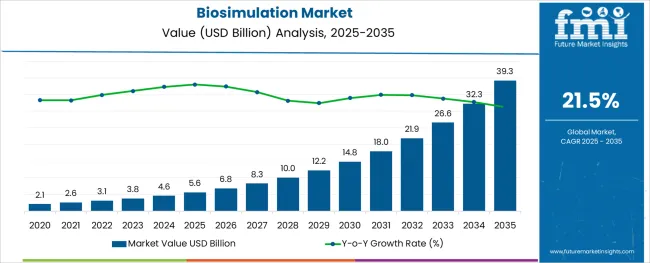
According to Future Market Insights (FMI), the global biosimulation market is expected to witness remarkable growth, driven by increasing investments in pharmaceutical R&D, growing adoption of computational modeling in drug development, rising demand for precision medicine, and expanding use of artificial intelligence in life sciences. The integration of biosimulation platforms across drug discovery, preclinical testing, and clinical development is transforming pharmaceutical innovation while reducing development costs and improving success rates.
Quick Stats Snapshot – Biosimulation Market
• 2025 Market Size: USD 5.6 billion
• 2035 Forecast: USD 39.3 billion
• CAGR (2025–2035): 21.5%
• Leading Product Type Segment: Services (42.5% share)
• Leading Deployment Mode Segment: Drug Development (47.0% share)
• Leading End-use Segment: Pharmaceutical & Biotechnology Companies (51.0% share)
• Incremental Opportunity (2025–2035): USD 33.7 billion
• Key Growth Regions: North America, Asia-Pacific, Europe
• Key Players: Certara, Dassault Systèmes, Advanced Chemistry Development, Simulation Plus Inc., Schrödinger Inc., Chemical Computing Group, Physiomics Plc, Rosa & Co. LLC, Genedata AG, Instem Group of Companies, PPD Inc., Insilico Biotechnology AG, Rhenovia Pharma, LeadInvent Technologies, Nuventra Pharma, In Silico Biosciences
Request for a Sample: https://www.futuremarketinsights.com/reports/sample/rep-gb-16031
Market Size and Outlook
The global biosimulation market is projected to grow from USD 5.6 billion in 2025 to USD 39.3 billion by 2035, registering a CAGR of 21.5% during the forecast period.
Market growth is being fueled by increasing pressure on pharmaceutical companies to accelerate drug development timelines, reduce clinical trial failures, and improve research productivity. Biosimulation technologies are increasingly being used to predict biological responses, optimize dosing strategies, and support regulatory submissions, thereby improving decision-making across the drug development lifecycle.
The growing integration of artificial intelligence, machine learning, and advanced analytics into biosimulation platforms is further enhancing predictive accuracy and expanding market opportunities.
Growth Drivers: Accelerating Drug Development and Precision Medicine Adoption
The market is primarily supported by the growing need for cost-effective and efficient pharmaceutical research methodologies.
• Rising Pharmaceutical R&D Investments: Increasing spending on innovative drug development driving adoption of simulation technologies
• Growing Demand for Precision Medicine: Personalized treatment approaches increasing the need for predictive biological modeling
• Expansion of Biologics and Advanced Therapies: Complex therapeutic pipelines requiring advanced simulation capabilities
• Increasing Use of Virtual Clinical Trials: Reducing development costs and accelerating regulatory approvals
• Integration of Artificial Intelligence and Machine Learning: Enhancing simulation accuracy and predictive performance
• Growing Regulatory Acceptance: Regulatory agencies increasingly recognizing model-informed drug development approaches
These factors continue to strengthen long-term growth prospects for biosimulation technologies worldwide.
Access Full Report: https://www.futuremarketinsights.com/reports/biosimulation-market
Key Challenges: Technical Complexity and Skilled Workforce Shortages
Despite strong growth momentum, several challenges continue to impact market expansion:
• Shortage of Skilled Biosimulation Experts: Limited availability of professionals with expertise in computational biology and pharmacometrics
• High Implementation Costs: Advanced simulation platforms requiring significant investments in infrastructure and training
• Complex Model Validation Requirements: Regulatory and scientific validation processes creating operational challenges
• Data Integration Challenges: Managing large-scale biological and clinical datasets remains resource-intensive
Organizations investing in talent development, automation technologies, and user-friendly simulation platforms are expected to strengthen their competitive position.
Opportunities: AI Integration and Expansion of Model-Informed Drug Development
Several emerging opportunities are reshaping the biosimulation landscape:
• AI-Driven Biosimulation Platforms: Advanced algorithms improving predictive accuracy and accelerating research outcomes
• Growth of Virtual Clinical Trials: Increasing use of digital models to reduce patient recruitment burdens and trial costs
• Expansion of Cloud-Based Simulation Solutions: Improving accessibility and scalability for research organizations
• Rising Demand from Emerging Biopharma Companies: Smaller firms increasingly leveraging outsourced biosimulation services
• Regulatory Adoption of Model-Informed Approaches: Supporting broader use of simulation technologies throughout product development
These developments are expected to improve research efficiency, reduce costs, and accelerate innovation across the pharmaceutical industry.
Segmentation Insights: Services and Drug Development Lead Market Demand
• Product Type Segment: Services dominate with a 42.5% share due to increasing reliance on specialized expertise, outsourced simulation capabilities, and regulatory support services
• Deployment Mode Segment: Drug Development accounts for 47.0% share owing to the growing use of biosimulation in dose optimization, clinical trial design, and risk assessment
• End-use Segment: Pharmaceutical & Biotechnology Companies represent 51.0% of market demand as organizations seek to accelerate innovation while controlling development costs
• Technology Trend: AI-enabled predictive modeling and machine learning integration gaining significant traction across pharmaceutical R&D
• Industry Trend: Greater adoption of model-informed drug development strategies supporting faster and more efficient regulatory pathways
👉 Explore the Latest Healthcare Industry Analysis Now: https://www.futuremarketinsights.com/industry-analysis/healthcare
Regional Analysis: North America Maintains Leadership While Asia-Pacific Accelerates
North America continues to lead the global biosimulation market due to strong pharmaceutical innovation and supportive regulatory frameworks, while Asia-Pacific emerges as a high-growth region.
• North America: Largest market supported by robust pharmaceutical R&D spending and widespread adoption of advanced drug development technologies
• United States: Strong demand driven by increasing healthcare expenditure, supportive government policies, and extensive pharmaceutical innovation activities
• Europe: Growing adoption of biosimulation across pharmaceutical and biotechnology companies supported by regulatory advancements
• China: Significant growth supported by government initiatives promoting pharmaceutical innovation and domestic drug development capabilities
• Japan: Rapid adoption driven by increasing investments in precision medicine and advanced therapeutics research
• Asia-Pacific: Expanding biopharmaceutical ecosystem creating substantial opportunities for biosimulation providers
Competitive Landscape: Innovation and Strategic Partnerships Drive Competition
The biosimulation market remains highly competitive, with companies focusing on technology innovation, strategic collaborations, and expansion of simulation capabilities.
Leading organizations focus on:
• Developing AI-powered biosimulation platforms
• Expanding cloud-based simulation services
• Strengthening regulatory compliance and validation capabilities
• Enhancing biologics and precision medicine modeling solutions
• Forming strategic partnerships with pharmaceutical and biotechnology companies
Recent industry developments include advancements in immunogenicity simulators, translational research platforms, virtual tumor technologies, and in vitro-in vivo extrapolation (IVIVE) software solutions.
Strategic Implications for Decision-Makers
The biosimulation market presents substantial opportunities driven by the increasing complexity of drug development and growing demand for predictive modeling technologies.
• Pharmaceutical companies should prioritize biosimulation integration to improve development efficiency and reduce clinical trial risks
• Technology providers can benefit from investments in AI, machine learning, and cloud-based simulation platforms
• Investors may capitalize on the rapid growth of model-informed drug development and virtual clinical trial technologies
• Service providers focusing on regulatory expertise, advanced analytics, and customized simulation solutions are expected to strengthen market positioning
As pharmaceutical innovation increasingly relies on predictive modeling, precision medicine, and digital research tools, biosimulation is expected to play a critical role in accelerating drug development, improving patient outcomes, and enhancing R&D productivity worldwide.
Related Reports:
· Automated Cell Biology Systems Market - https://www.futuremarketinsights.com/reports/automated-cell-biology-systems-market
· Next Generation Optical Biometry Devices Market - https://www.futuremarketinsights.com/reports/next-generation-optical-biometry-devices-market
· Robotic Biopsy Devices Market - https://www.futuremarketinsights.com/reports/robotic-biopsy-devices-market
· Inhalable Biologics Market - https://www.futuremarketinsights.com/reports/inhalable-biologics-market
· Veterinary Antibiotics Market - https://www.futuremarketinsights.com/reports/veterinary-antibiotics-market
About Future Market Insights (FMI)
Future Market Insights (FMI) is a leading provider of market intelligence and consulting services, serving clients across more than 150 countries. Headquartered in Delaware, USA, with a global delivery center in India and offices in the UK and UAE, FMI delivers actionable market insights across healthcare, technology, manufacturing, energy, chemicals, and consumer industries.
For Press & Corporate Inquiries:
Rahul Singh
AVP - Marketing and Growth Strategy
Future Market Insights, Inc.
+91 8600020075
For Sales – sales@futuremarketinsights.com
For Media – Rahul.singh@futuremarketinsights.com
For Web – www.futuremarketinsights.com

 عربي
عربي