


 SPARK Website
Mechanical Seal Bearing: The Solution to Leakage Problems in Industrial Equipment
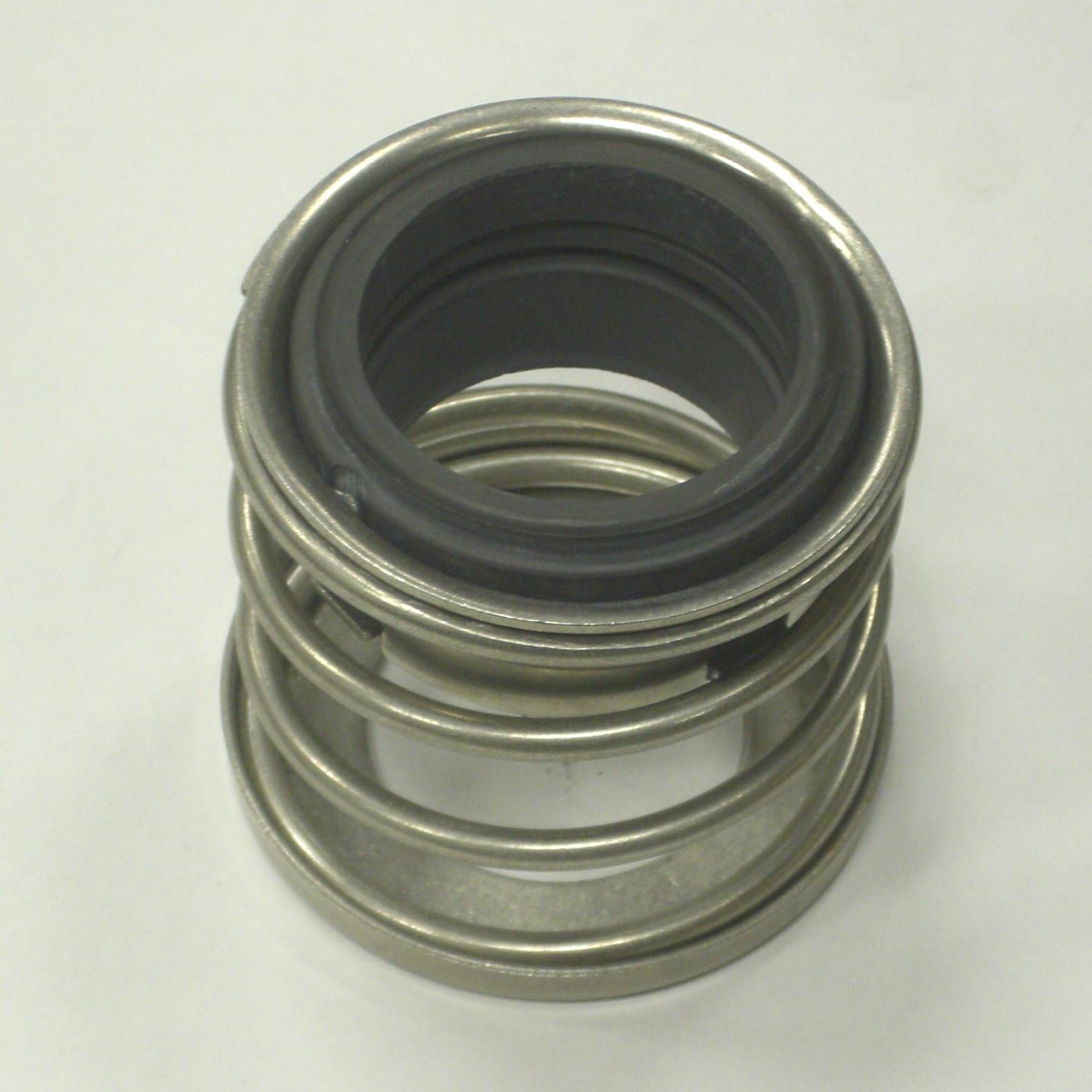
Industrial equipment is designed to operate continuously under demanding conditions. However, one small problem can quickly become a major operational challenge: fluid leakage. Whether it is water, oil, chemicals, or lubricants, leaks can reduce machine performance, damage equipment, and increase maintenance costs.
Many manufacturers focus on upgrading machinery while overlooking critical components responsible for protecting rotating systems. When sealing and bearing systems fail, businesses often experience unplanned downtime and costly repairs.
A mechanical seal bearing helps solve these issues by supporting smooth rotation while preventing leakage and contamination. For industrial buyers, choosing the right solution can improve productivity and protect valuable equipment.
The Problem: Leakage and Equipment Contamination
Leakage is one of the most common causes of equipment inefficiency in industrial operations. Even a minor leak can lead to significant problems over time.
Common challenges include:
- Loss of lubricants
- Product contamination
- Equipment overheating
- Increased maintenance costs
- Environmental concerns
- Unexpected machine downtime
For manufacturing plants, processing facilities, and industrial operations, these problems can directly affect profitability.
What Is a Mechanical Seal Bearing?
A mechanical seal bearing combines the benefits of bearing support and sealing protection within rotating equipment systems.
Its primary functions include:
- Supporting shaft movement
- Reducing friction
- Preventing fluid leakage
- Blocking contaminants from entering equipment
- Protecting internal machine components
These functions make it an important component in many industrial applications.
Why Leakage Creates Expensive Problems
Many companies underestimate the impact of leakage until equipment performance begins to decline.
Increased Maintenance Costs
Leaking systems often require frequent inspections and repairs.
Equipment Damage
Loss of lubrication can increase friction and accelerate wear.
Production Interruptions
Unexpected failures can stop production lines without warning.
Product Quality Risks
Contamination may affect product consistency and quality standards.
Preventing leaks is often far more cost-effective than repairing the damage they cause.
How Mechanical Seal Bearing Improves Equipment Reliability
Prevents Fluid Loss
The sealing system helps retain lubricants and process fluids inside the equipment.
Reduces Contamination
Dust, moisture, and debris are prevented from entering sensitive machine components.
Improves Bearing Life
Proper sealing helps maintain ideal operating conditions for bearings.
Supports Continuous Operation
Reliable sealing contributes to stable and uninterrupted production processes.
Lowers Maintenance Requirements
Reduced contamination and wear help decrease repair frequency.
Industries That Depend on Mechanical Seal Bearings
Mechanical seal bearings are widely used across multiple industries.
These include:
- Manufacturing plants
- Chemical processing facilities
- Water treatment systems
- Food processing equipment
- Pharmaceutical production
- Mining operations
- Oil and gas industries
In these sectors, leakage prevention is critical for maintaining productivity and safety.
Warning Signs of Seal or Bearing Failure
Maintenance teams should monitor equipment for early indicators of problems.
Common warning signs include:
- Visible fluid leakage
- Increased vibration
- Unusual operating noise
- Bearing overheating
- Lubrication loss
- Reduced equipment efficiency
Addressing these symptoms early can help prevent major equipment failures.
The Cost of Ignoring Leakage Issues
Businesses that delay maintenance often face higher expenses later.
Potential consequences include:
Emergency Repairs
Unexpected failures often require immediate and expensive repairs.
Production Losses
Downtime can delay customer orders and reduce revenue.
Component Replacement
Damaged shafts, bearings, and housings may require replacement.
Safety Concerns
Certain leaked fluids can create workplace hazards.
A proactive maintenance strategy helps reduce these risks.
Key Factors When Choosing a Mechanical Seal Bearing
Industrial buyers should consider several factors before purchasing.
Operating Environment
The solution should match temperature, pressure, and contamination conditions.
Material Quality
High-quality materials improve durability and sealing performance.
Compatibility
The component should fit the equipment's specifications and operating requirements.
Supplier Reliability
Trusted manufacturers provide consistent quality and technical support.
Service Life
Long-lasting products help reduce maintenance frequency and ownership costs.
Benefits for B2B Buyers
Mechanical seal bearing solutions offer several advantages for distributors, OEMs, and industrial procurement teams.
Reduced Downtime
Reliable sealing helps keep equipment running longer.
Better Inventory Planning
High-quality products often require fewer replacements.
Improved Customer Satisfaction
End users benefit from better equipment reliability and lower maintenance costs.
Stronger Operational Efficiency
Reliable components contribute to smoother production processes.
Why Quality Matters More Than Price
Some businesses purchase low-cost components to reduce initial expenses. However, poor-quality sealing solutions often fail sooner and create larger operational problems.
A premium mechanical seal bearing can provide:
- Longer service life
- Better leakage protection
- Reduced maintenance costs
- Improved equipment reliability
- Lower total ownership costs
For industrial buyers, long-term value is often more important than short-term savings.
Conclusion
Fluid leakage and contamination remain major challenges in industrial operations. These issues can lead to equipment damage, production interruptions, and rising maintenance costs.
A high-quality mechanical seal bearing helps solve these problems by protecting rotating equipment, preventing leakage, and supporting reliable performance. For B2B buyers, manufacturers, and distributors, investing in dependable sealing and bearing solutions can improve productivity, reduce downtime, and support long-term operational success.
As industries continue to prioritize efficiency and reliability, mechanical seal bearings remain an essential component for protecting equipment and maintaining smooth operations.

 عربي
عربي