


 SPARK Website
Steam Cleaning vs. Dry Cleaning: A Complete Guide for Every Carpet Type
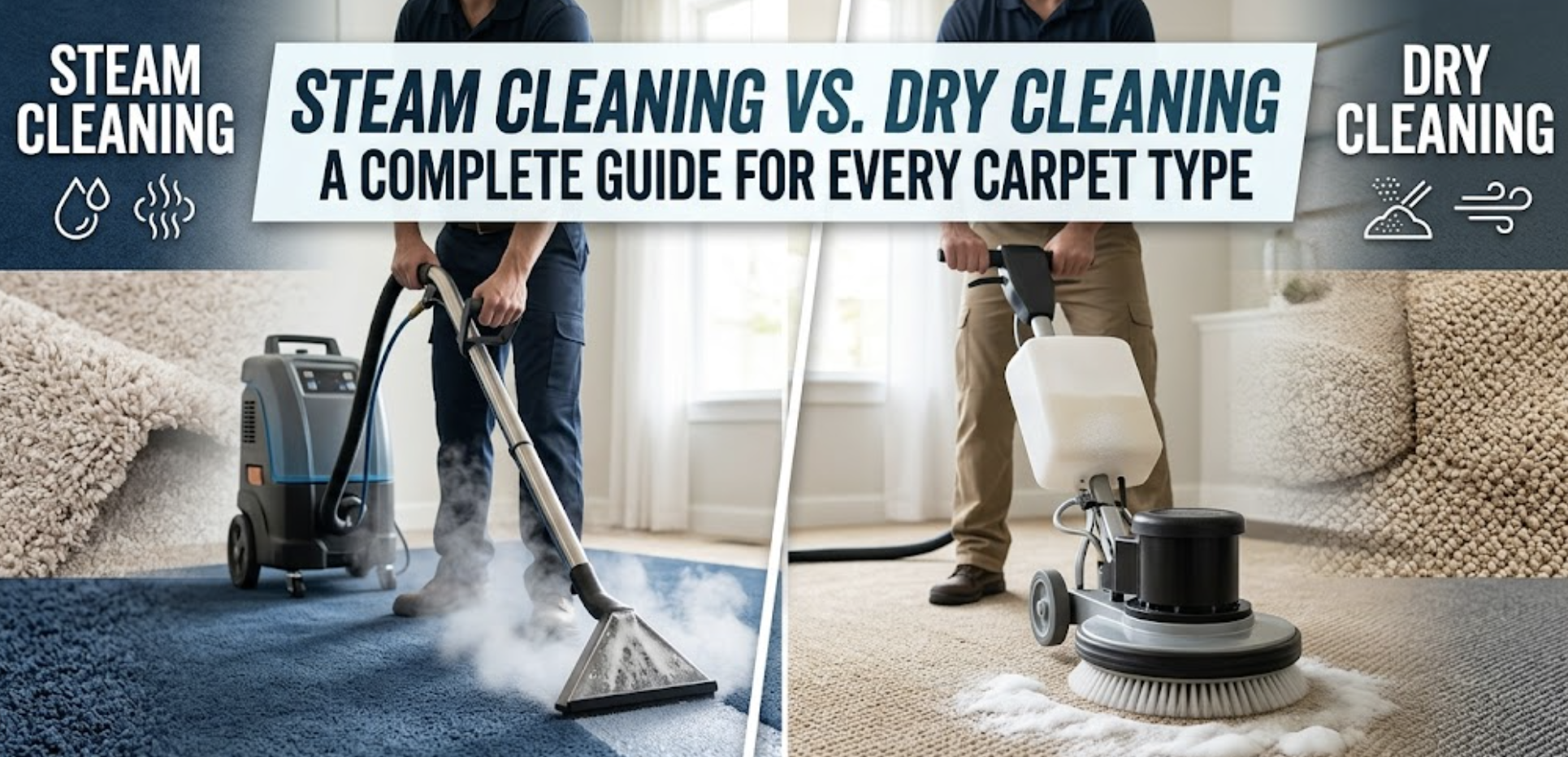
Steam Cleaning vs. Dry Cleaning: A Complete Guide for Every Carpet Type
You look down at your living room carpet and see the faint ghosts of spills past, the paths worn by foot traffic, and a general dinginess that vacuuming just can't fix. The immediate thought is to call a professional, but then you face the classic dilemma: steam cleaning or dry cleaning? One promises a deep, restorative clean, while the other offers convenience and speed, leaving you wondering which method is truly right for your home.
At its core, steam cleaning is technically hot water extraction, a method that uses high-pressure hot water to agitate carpet fibers and dissolve dirt, followed by a powerful vacuum to suck up the water and grime. On the other hand, dry carpet cleaning is a low-moisture cleaning process that uses specialized chemical compounds and machines to break down and absorb dirt, which is then vacuumed away. This guide will break down the pros, cons, and ideal applications of each method to help you choose the perfect solution based on your carpet type, stain concerns, health priorities, and budget.
Key Takeaways
- Steam cleaning (hot water extraction) provides the deepest clean possible, removing embedded allergens and bacteria, making it ideal for heavily soiled synthetic carpets.
- Dry carpet cleaning (low-moisture) offers a fast-drying solution that is much safer for delicate natural fibers like wool and sisal, preventing shrinkage and water damage.
- Your carpet's fiber is the most important factor in your decision; synthetics like nylon handle steam well, while natural fibers require the gentle touch of dry cleaning.
- For pet stains and odors, steam cleaning's flushing action is superior, while dry cleaning's chemical solvents are often better for oil-based stains.
- Always check your carpet warranty, as many manufacturers specifically require professional hot water extraction to keep the warranty valid.
- The best method depends entirely on your specific needs, balancing the desire for a deep clean with factors like drying time and carpet material.
Quick Comparison: Steam vs. Dry Cleaning at a Glance
For a quick overview, this table highlights the fundamental differences between the two leading carpet cleaning methods.
Feature Steam Cleaning (Hot Water Extraction) Dry Cleaning (Low-Moisture)
Cleaning Method
High-pressure hot water injection and vacuum extraction
Absorbent chemical compounds and minimal moisture
Drying Time
8 to 24 hours
30 minutes to 2 hours
Cleaning Depth
Very deep, reaches the carpet backing
Surface level to moderately deep
Effectiveness on Stains
Excellent for water-based stains, pet urine, and heavy soil
Excellent for oil-based stains, good for general grime
Best for Carpet Fibers
Durable synthetics (Nylon, Polyester)
Delicate natural fibers (Wool, Sisal, Cotton)
Environmental Impact
High water usage; potential for chemical-free options
Lower water usage; relies on chemical compounds
Understanding Steam Cleaning (Hot Water Extraction)
Often considered the gold standard for residential carpet care, hot water extraction is a powerful and highly effective cleaning process. Despite the common name "steam cleaning," it doesn't actually use steam. Instead, it relies on extremely hot water to achieve a sanitizing, deep clean that can transform a tired-looking carpet.
The Process Explained
The process is methodical and thorough. First, a technician applies a pre-treatment solution to the carpet to begin breaking down soils, oils, and spots. Next, the main machine injects a high-pressure spray of hot water and cleaning solution deep into the carpet fibers, dislodging dirt, dust mites, and other contaminants. Almost simultaneously, a high-powered vacuum extracts the hot water, along with all the loosened grime, leaving the carpet damp but deeply cleaned.
Pros of Steam Cleaning
The most significant advantage of steam cleaning is its ability to perform a truly deep clean. It reaches down to the base of the carpet fibers, removing embedded dirt that other methods simply can't touch. This process is exceptionally good at flushing out allergens, dust mites, and bacteria, which is a major benefit for households with allergy sufferers or small children. According to the Environmental Protection Agency (EPA), professional hot water extraction can significantly improve indoor air quality by removing these trapped pollutants.
Furthermore, this method is highly effective for most common household stains, especially water-soluble ones like mud, juice, and wine. Because the primary cleaning agent is hot water, it can often be performed with very mild, non-toxic cleaning agents, making it a healthier choice for families and pets. When you need a restorative clean for a heavily soiled area, hot water extraction is almost always the superior option.
Cons of Steam Cleaning
The biggest drawback is the long drying time. Depending on the humidity, airflow, and carpet thickness, it can take anywhere from 8 to 24 hours for a carpet to dry completely. During this time, you must avoid walking on the carpet to prevent re-soiling, which can be a major inconvenience.
If the process is performed by an inexperienced technician or with underpowered equipment, there's a risk of over-wetting the carpet. This not only prolongs drying but can also lead to mold and mildew growth in the carpet pad, creating a more significant problem than the original dirt. This excess moisture can also cause damage to delicate natural fibers, leading to shrinkage, browning, or color bleeding.
Understanding Dry Carpet Cleaning (Low-Moisture Methods)
Dry carpet cleaning is a term that covers several different low-moisture cleaning systems. These methods were developed to address the long drying times associated with steam cleaning, offering a convenient alternative for both commercial and residential settings. They are an excellent choice for regular maintenance cleaning.
The Process Explained
The most common form of dry cleaning is known as absorbent compound cleaning. In this process, a technician sprinkles a slightly moist, biodegradable compound over the carpet. This powder acts like microscopic sponges, absorbing dirt and soil from the carpet fibers.
A specialized machine with counter-rotating brushes is then used to agitate the compound deep into the carpet, ensuring it makes contact with the soil. After a short waiting period, a commercial-grade vacuum is used to thoroughly remove the compound along with all the absorbed dirt. The result is a clean, fresh-smelling carpet that is dry and ready for use almost immediately.
Pros of Dry Cleaning
The most celebrated benefit of dry cleaning is the extremely fast drying time. In most cases, carpets are dry to the touch within an hour, allowing you to resume normal household activities without any disruption. This speed makes it a popular choice for businesses and busy families.
Dry cleaning is also much gentler on delicate carpet fibers. Because it uses very little moisture, it is the recommended method for natural materials like wool, sisal, jute, and cotton, which are prone to damage from over-wetting. The risk of carpet shrinkage, browning, or cellulosic browning is virtually eliminated with this method.
Cons of Dry Cleaning
The primary disadvantage is that dry cleaning may not clean as deeply as hot water extraction. While it's excellent for removing surface-level dirt and performing maintenance cleans, it can struggle to remove deeply embedded soil from the carpet backing. For a carpet that hasn't been professionally cleaned in years, dry cleaning might not be powerful enough to restore its appearance fully.
It can also be less effective on deep, set-in liquid stains that have soaked into the carpet padding. Additionally, if the absorbent compound is not thoroughly vacuumed out, it can leave behind a chemical residue. This residue can sometimes attract dirt over time or cause issues for individuals with chemical sensitivities.
The Deciding Factor: Matching the Method to Your Carpet Fiber
Choosing between steam and dry cleaning often comes down to one simple question: what is your carpet made of? Using the wrong method on a specific fiber type can lead to irreversible damage. Protecting your flooring investment starts with understanding its composition.
For Synthetic Carpets (Nylon, Polyester, Olefin)
These man-made fibers are the most common types found in homes today, known for their durability and stain resistance. Steam cleaning is the highly recommended and most effective method for synthetic carpets. The fibers are resilient and can easily withstand the heat and moisture of hot water extraction without damage.
This deep cleaning process effectively removes ground-in dirt and restores the bounce and texture of synthetic piles. For families with kids, pets, and high-traffic areas, regular steam cleaning is the best way to keep these carpets looking and feeling fresh.
For Natural Fiber Carpets (Wool, Sisal, Cotton)
Natural fibers are beautiful and luxurious but require a much more delicate approach. Wool, for example, can shrink or turn brown if exposed to too much water or high heat. Sisal and jute are also highly absorbent and can be permanently damaged by over-wetting.
For this reason, dry cleaning is almost always the safer and superior choice for natural fiber carpets. The low-moisture process cleans effectively without the risks of shrinkage, color bleeding, or fiber damage. Always confirm with a professional that they have experience with your specific type of natural fiber carpet.
For Low-Pile & Berber Carpets
Berber carpets, with their tight loop construction, can be tricky. While many Berbers are made of durable olefin or nylon, their tight weave can trap moisture from steam cleaning, significantly extending drying times. For this reason, many professionals recommend low-moisture methods like dry cleaning to prevent water from getting trapped in the dense loops and backing.
Stain Wars: Which Method is Best for Tough Spills?
Not all stains are created equal, and the ideal cleaning method can vary depending on what you've spilled. Different cleaning processes excel at targeting different types of messes.
- For Pet Stains & Odors: When it comes to pet accidents, steam cleaning is the undisputed winner. The hot water and powerful extraction process can flush urine crystals and odor-causing bacteria from deep within the carpet and even the pad. Dry cleaning simply cannot reach this deep to fully resolve the problem.
- For Red Wine & Coffee: The combination of heat, specialized cleaning solutions, and powerful suction in steam cleaning makes it highly effective on these common, dark-colored spills. The process helps break down the tannins in wine and coffee for a more complete removal.
- For Oil-Based Stains (Grease, Ink, Makeup): This is where dry cleaning often has an edge. The chemical solvents used in the absorbent compounds are specifically designed to break down and absorb oily and greasy residues. Steam cleaning can sometimes spread oily stains if not pre-treated properly.
Beyond the Clean: Environmental Impact & Carpet Longevity
A professional cleaning does more than just remove dirt; it impacts your home's environment and the lifespan of your carpet. Considering these long-term factors is just as important as the immediate cleaning results.
Eco-Friendliness & Health Concerns
There's a trade-off between the two methods. Steam cleaning's main environmental impact is its high water usage. However, it can often be performed with green-certified, non-toxic cleaning solutions, minimizing the chemicals introduced into your home.
Conversely, dry cleaning uses very little water but relies on chemical compounds. Some of these compounds can contain volatile organic compounds (VOCs), which can off-gas and affect indoor air quality. Always ask your cleaning provider if they offer low-VOC or plant-based dry cleaning options to ensure a healthier clean.
Protecting Your Investment: Long-Term Carpet Health
Regular professional cleaning extends the life of your carpet, but the wrong method can do the opposite. Improper or overly aggressive steam cleaning can wear down carpet fibers over time. On the other hand, repeated dry cleaning without complete powder extraction can lead to a buildup of residue that acts as an abrasive, dulling the carpet's appearance.
The key is to hire a qualified and certified professional who uses the correct method for your carpet type. When in doubt, consulting with professional Carpet Cleaners Reno NV can provide a tailored recommendation and ensure the job is done right, protecting your investment for years to come.
Don't Void Your Warranty: What Carpet Manufacturers Recommend
This is a detail that many homeowners overlook. A significant number of major carpet manufacturers, including industry giants like Shaw and Mohawk, require hot water extraction by an IICRC-certified technician every 12 to 18 months to keep the warranty valid. A 2021 industry report noted that failure to meet these professional cleaning requirements is one of the top reasons for voided carpet warranties. Always read the fine print on your carpet's warranty before choosing a cleaning method.
The Verdict: How to Choose the Right Method for You
After weighing all the factors, the right choice becomes much clearer. Your decision should be guided by your primary goal and your carpet's specific needs.
- Choose Steam Cleaning if: You have durable synthetic carpets (nylon, polyester), you need a deep, restorative clean for heavily soiled areas, you have allergy sufferers in the home, or you are dealing with pet accidents and odors. It's also the method most often required to maintain your carpet's warranty.
- Choose Dry Cleaning if: You need a quick-drying maintenance clean, you have delicate natural fiber carpets (wool, sisal), you live in a high-humidity environment where long drying times are a concern, or you need to clean a commercial space with minimal downtime.
Frequently Asked Questions
What is the most effective carpet cleaning method?
For a deep, sanitizing clean that removes embedded dirt and allergens, hot water extraction (steam cleaning) is widely considered the most effective method, especially for common synthetic carpets. However, "effective" depends on the carpet type; for delicate wool carpets, dry cleaning is the most effective and safest method.
Is dry cleaning or steam cleaning better for tough stains?
It depends on the stain. Steam cleaning is generally better for water-based stains like pet urine, wine, and coffee because it flushes the substance from deep within the fibers. Dry cleaning's chemical compounds are often more effective at breaking down and absorbing oil-based stains like grease and ink.
How often should I have my carpets professionally cleaned?
The Carpet and Rug Institute (CRI) and most carpet manufacturers recommend a professional cleaning every 12 to 18 months. Homes with pets, children, or smokers may benefit from cleaning every 6 to 12 months to maintain appearance and indoor air quality.
Is dry carpet cleaning safe for pets and children?
Modern dry cleaning methods from reputable companies are generally safe for pets and children once the carpet is completely dry and the compound has been thoroughly vacuumed. To be extra cautious, ask your provider if they use non-toxic, biodegradable, and pet-friendly compounds, as many green options are now available.

 عربي
عربي