


 SPARK Website
Anti Biofilm Wound Dressing Industry Growth, Trends and Forecast 2025–2033
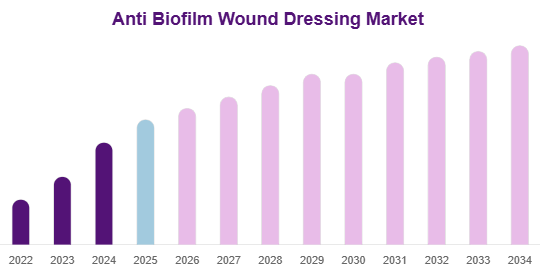
Market Size
The Anti Biofilm Wound Dressing Market size was USD 146.64 billion in 2024 and is projected to grow from USD 155.97 billion in 2025.
The market is expected to reach USD 238.12 billion by 2033, registering a CAGR of 5.43% during the forecast period.
Full Report: https://reedintelligence.com/market-analysis/anti-biofilm-wound-dressing-market
Introduction
The Anti Biofilm Wound Dressing Market is gaining strong traction due to the increasing prevalence of chronic wounds, diabetic ulcers, surgical site infections, and burn injuries worldwide. Biofilm formation in wounds significantly delays healing and increases infection risk, creating demand for advanced wound care solutions that can effectively disrupt bacterial colonies and promote faster recovery.
Anti biofilm wound dressings are designed using advanced materials such as silver-based compounds, iodine, honey, and polymer-based antimicrobial agents. These dressings not only provide a physical barrier but also actively inhibit microbial growth, making them a critical component in modern wound management practices.
Growing healthcare expenditure, rising awareness about advanced wound care, and increasing aging population are further contributing to the expansion of this market globally.
Market Drivers
Rising prevalence of chronic wounds
The increasing number of patients suffering from diabetic foot ulcers, pressure ulcers, and venous leg ulcers is a major driver for the Anti Biofilm Wound Dressing Market. Chronic wounds are highly prone to bacterial biofilm formation, requiring specialized wound care solutions.
Increasing diabetic population
The global rise in diabetes cases has significantly increased the incidence of non-healing wounds. Anti biofilm wound dressings are widely used in diabetic wound management due to their infection-control properties.
Advancements in wound care technologies
Innovations in biomaterials, antimicrobial coatings, and hydrogel-based dressings are improving treatment outcomes. These technological advancements are driving adoption in hospitals and specialty clinics.
Growing awareness of infection control
Healthcare providers are increasingly focusing on preventing hospital-acquired infections. Anti biofilm dressings play a key role in reducing microbial contamination and improving patient recovery rates.
Market Challenges
High cost of advanced wound care products
Anti biofilm dressings are often more expensive than conventional wound care products, limiting adoption in cost-sensitive regions.
Limited awareness in developing regions
Many healthcare facilities in emerging economies still rely on traditional wound care methods due to lack of awareness and training.
Regulatory approval complexity
Advanced wound care products must meet strict regulatory standards, which can delay product launches and increase development costs.
Risk of antimicrobial resistance
Overuse of antimicrobial agents in wound dressings raises concerns about resistance, requiring careful formulation and controlled usage.
Get Your Sample Report Here: https://reedintelligence.com/market-analysis/anti-biofilm-wound-dressing-market/request-sample
Market Segmentation Analysis
By product type
Silver-based wound dressings
Silver-based dressings dominate the market due to their strong antimicrobial and anti-biofilm properties. They are widely used in hospital settings for infected and high-risk wounds.
Iodine-based wound dressings
Iodine dressings are effective against a broad spectrum of microorganisms and are commonly used in surgical and chronic wound care.
Honey-based wound dressings
Medical-grade honey dressings offer natural antibacterial properties and are increasingly used in alternative wound care therapies.
By application
Chronic wounds
Chronic wounds represent the largest application segment due to the long healing time and high infection risk associated with such conditions.
Acute wounds
Acute wounds from surgery, trauma, and burns also require anti biofilm dressings to prevent infection and support faster healing.
Diabetic foot ulcers
This segment is growing rapidly due to the increasing global diabetic population and high risk of infection-related complications.
By end user
Hospitals
Hospitals account for the largest share due to high patient inflow and advanced wound care infrastructure.
Specialty clinics
Wound care clinics and dermatology centers are key users of advanced anti biofilm dressing products.
Home healthcare
Homecare settings are expanding rapidly due to aging populations and preference for at-home treatment solutions.
Competitive Landscape and Top Players Analysis
The Anti Biofilm Wound Dressing Market is highly competitive with companies focusing on innovation, antimicrobial technologies, and global distribution expansion.
1. Smith & Nephew
Smith & Nephew is a global leader in advanced wound care solutions, offering a wide range of anti biofilm dressings designed for chronic and acute wounds.
2. 3M Company
3M develops innovative medical dressing solutions with strong focus on infection control and biofilm prevention technologies.
3. Mölnlycke Health Care
Mölnlycke provides advanced wound care products that enhance healing outcomes and reduce infection risks in complex wounds.
4. Coloplast
Coloplast specializes in wound and skin care products, including advanced antimicrobial dressings for chronic wound management.
5. ConvaTec Group
ConvaTec offers a diverse portfolio of wound care solutions, focusing on improving patient recovery and infection prevention.
6. B. Braun Melsungen AG
B. Braun develops medical dressings and infection control solutions widely used in hospitals and surgical care.
7. Medline Industries
Medline provides cost-effective wound care solutions and supplies to hospitals and healthcare providers globally.
8. Hollister Incorporated
Hollister focuses on wound care and medical products designed to improve patient comfort and healing efficiency.
9. Integra LifeSciences
Integra LifeSciences develops advanced regenerative medicine and wound care technologies targeting complex wound cases.
10. DermaRite Industries
DermaRite offers specialized wound care products, including antimicrobial and biofilm-targeting dressings.
Future Outlook
The Anti Biofilm Wound Dressing Market is expected to witness strong growth through 2033 due to rising chronic disease prevalence, increasing surgical procedures, and growing demand for advanced infection-control wound care solutions. Technological innovations in antimicrobial materials and smart wound dressings are expected to further transform the market landscape.
With increasing focus on patient outcomes, hospital efficiency, and infection prevention, anti biofilm wound dressings will continue to play a vital role in modern healthcare systems worldwide.

 عربي
عربي