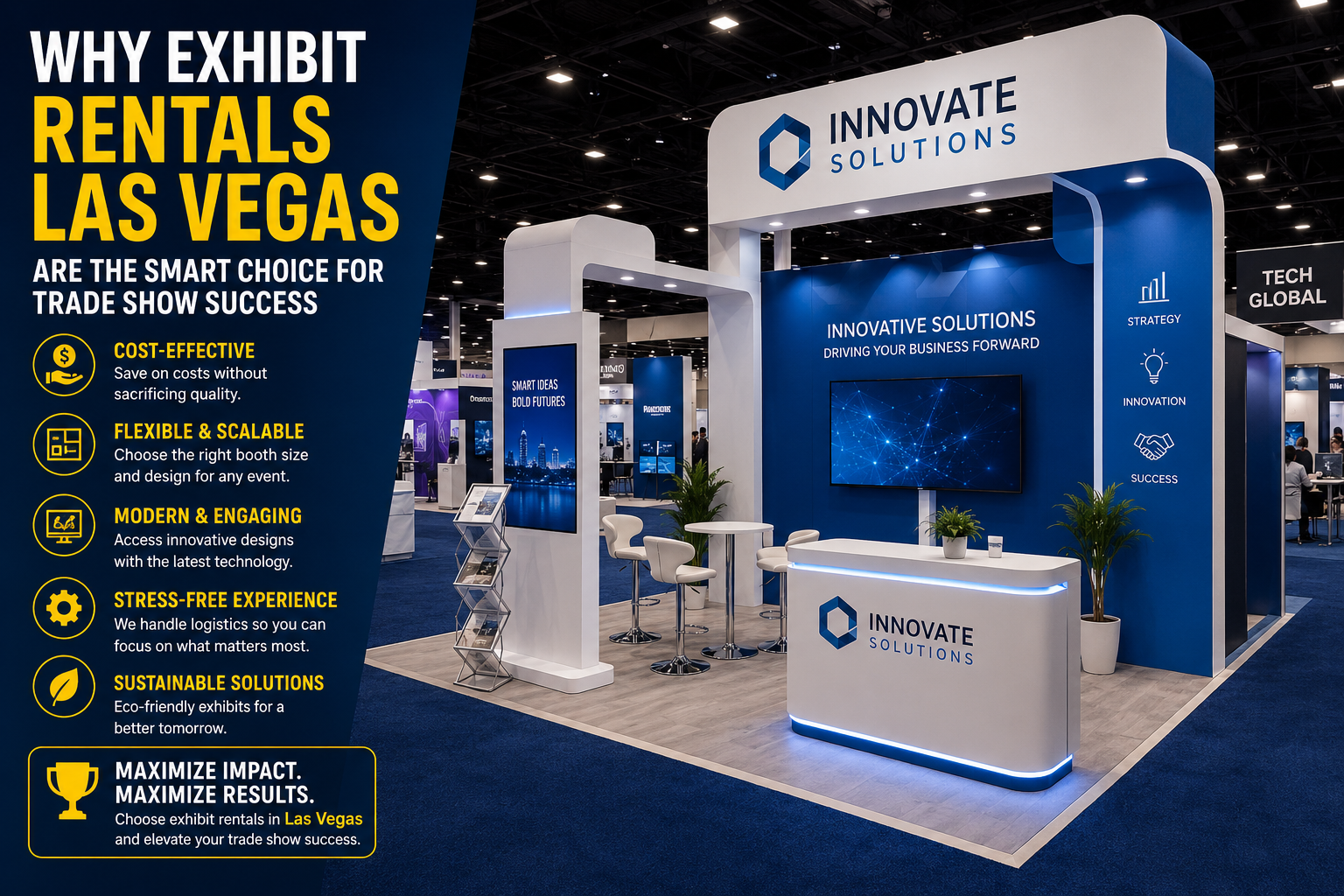
Trade shows offer businesses a unique opportunity to showcase their products, connect with potential customers, strengthen industry relationships, and generate high-quality leads. However, achieving success at a trade show requires more than simply reserving booth space. Proper planning, strategic execution, and attention to detail are essential for maximizing results. Many businesses choose exhibit rentals las vegas because they provide a cost-effective, flexible, and professional solution for creating a strong trade show presence without the long-term expenses associated with booth ownership.
Whether you're attending your first trade show or are a seasoned exhibitor looking to improve results, having a comprehensive planning checklist can help ensure every aspect of your event runs smoothly. This guide provides the ultimate checklist for planning a successful trade show using exhibit rentals.
Why Trade Show Planning Is Essential
Trade shows are significant investments of both time and money.
Without a clear plan, businesses may face challenges such as:
Poor booth traffic
Weak lead generation
Budget overruns
Ineffective branding
Missed networking opportunities
A structured planning process helps eliminate uncertainty and ensures that every element of your exhibit strategy contributes to your overall business goals.
The earlier planning begins, the more successful the event is likely to be.
Step 1: Define Your Event Goals
Before selecting an exhibit rental, establish clear objectives.
Ask yourself:
What do we want to achieve?
Who do we want to reach?
How will we measure success?
Common trade show goals include:
Lead Generation
Collecting qualified prospects for future sales opportunities.
Brand Awareness
Increasing visibility among industry professionals.
Product Launches
Introducing new products or services.
Networking
Building relationships with partners, suppliers, and industry influencers.
Customer Retention
Strengthening relationships with existing customers.
Clearly defined goals guide every decision throughout the planning process.
Step 2: Research the Event Thoroughly
Understanding the event helps you prepare more effectively.
Research:
Expected attendance
Industry focus
Exhibitor list
Audience demographics
Sponsorship opportunities
Educational sessions
This information helps determine the best exhibit strategy and ensures alignment with attendee expectations.
The more you know about the event, the better equipped you'll be to create a successful experience.
Step 3: Establish a Comprehensive Budget
Trade show costs extend beyond booth rental fees.
Your budget should include:
Exhibit rental
Graphics production
Shipping and logistics
Travel expenses
Hotel accommodations
Marketing materials
Technology solutions
Staff training
Promotional giveaways
One of the key advantages of rental exhibits is the ability to reduce major capital expenditures while maintaining a professional appearance.
A realistic budget prevents unexpected costs and helps maximize ROI.
Step 4: Select the Right Exhibit Rental
Choosing the right exhibit is one of the most important decisions you'll make.
Consider factors such as:
Booth Size
Select a size that aligns with your objectives and expected traffic.
Design Flexibility
Choose a rental that allows customization.
Branding Opportunities
Ensure the exhibit can effectively showcase your company identity.
Technology Integration
Consider options for interactive displays and digital engagement.
A well-designed exhibit creates a strong first impression and supports visitor interaction.
Step 5: Secure Prime Booth Space Early
Location matters.
High-traffic areas often provide greater visibility and increased attendee engagement.
Popular booth locations include:
Main entrances
High-traffic intersections
Near educational sessions
Adjacent to industry leaders
Early registration often provides better placement options.
Selecting the right location can significantly impact booth performance.
Step 6: Develop a Strong Branding Strategy
Trade show attendees make quick decisions about which booths to visit.
Your branding should immediately communicate:
Who you are
What you offer
Why visitors should engage
Key branding elements include:
Large Graphics
Attract attention from a distance.
Clear Messaging
Communicate value quickly and effectively.
Consistent Visual Identity
Maintain alignment with company branding.
Professional Design
Enhance credibility and trust.
Strong branding helps differentiate your business from competitors.
Step 7: Plan Visitor Engagement Activities
Attracting visitors is only the first step.
You must also create reasons for attendees to stay and interact.
Popular engagement strategies include:
Product demonstrations
Interactive displays
Educational presentations
Live Q&A sessions
Hands-on experiences
The longer visitors remain in your booth, the greater the opportunity for meaningful conversations.
Step 8: Incorporate Technology
Technology can dramatically enhance the attendee experience.
Consider integrating:
LED Video Walls
Capture attention and showcase content dynamically.
Touchscreen Displays
Allow visitors to explore information independently.
Digital Product Catalogs
Reduce reliance on printed materials.
Lead Capture Systems
Simplify data collection and follow-up.
Technology should support your goals while improving visitor engagement.
Step 9: Create a Lead Capture Plan
Generating leads is often the primary purpose of exhibiting.
Prepare systems for:
Contact collection
Lead qualification
Appointment scheduling
Follow-up tracking
Digital lead capture solutions improve accuracy and efficiency.
Without a structured lead capture process, valuable opportunities may be lost.
Step 10: Train Your Booth Staff
Even the most impressive exhibit can underperform if staff members are unprepared.
Training should cover:
Product knowledge
Brand messaging
Visitor engagement techniques
Lead qualification methods
Event objectives
Well-trained staff members create better visitor experiences and improve lead quality.
Step 11: Prepare Marketing Materials
Marketing materials reinforce conversations and support future engagement.
Consider preparing:
Product brochures
Case studies
Company profiles
Business cards
Promotional items
Many businesses now complement printed materials with digital resources accessible through QR codes.
This approach supports sustainability while improving convenience.
Step 12: Launch Pre-Show Marketing Campaigns
Successful trade show marketing begins long before the event.
Promote your participation through:
Email Marketing
Invite customers and prospects to visit your booth.
Social Media Campaigns
Build excitement and increase visibility.
Website Announcements
Inform visitors about your presence.
Press Releases
Generate additional industry awareness.
Pre-show marketing helps drive booth traffic and improve attendance.
Step 13: Schedule Meetings Before the Event
Many attendees plan their schedules in advance.
Reach out to:
Existing customers
Qualified prospects
Industry partners
Media representatives
Scheduling appointments ensures valuable conversations occur during the event.
Pre-arranged meetings often generate higher-quality opportunities than spontaneous interactions.
Step 14: Prepare for Setup and Logistics
Confirm all logistical details well before the event.
Checklist items include:
Shipping arrangements
Installation schedules
Graphic approvals
Technology testing
Furniture delivery
Staff travel plans
Careful coordination helps avoid costly delays and last-minute problems.
Step 15: Conduct a Final Booth Review
Before the show opens, inspect every aspect of the exhibit.
Verify:
Graphics placement
Lighting functionality
Technology performance
Product displays
Marketing materials
Addressing issues early helps ensure a professional presentation.
Step 16: Engage Visitors Effectively
During the event:
Greet attendees promptly
Ask open-ended questions
Listen actively
Demonstrate products
Provide relevant information
Focus on building relationships rather than delivering sales pitches.
Meaningful interactions often lead to stronger business opportunities.
Step 17: Monitor Performance Throughout the Event
Track key metrics daily.
Monitor:
Visitor traffic
Lead volume
Meeting attendance
Engagement levels
Product interest
Real-time insights can help optimize strategies during the show.
Step 18: Execute Post-Show Follow-Up
The trade show does not end when the exhibit closes.
Follow-up should begin immediately.
Best practices include:
Personalized emails
Phone calls
Product information sharing
Appointment scheduling
Proposal development
Prompt follow-up improves lead conversion rates significantly.
Step 19: Measure Event Success
After the event, evaluate performance using measurable outcomes.
Analyze:
Total leads generated
Qualified opportunities
Revenue potential
Brand exposure
Return on investment
Understanding results helps improve future trade show strategies.
Common Trade Show Planning Mistakes to Avoid
Many exhibitors reduce effectiveness by making avoidable mistakes.
Common errors include:
Delaying preparation
Weak branding
Poor staff training
Lack of lead capture systems
Inadequate follow-up
Ignoring attendee experience
Avoiding these pitfalls can dramatically improve results.
Future-Proofing Your Trade Show Strategy
Trade show trends continue to evolve.
Successful exhibitors remain competitive by:
Embracing technology
Updating booth designs
Enhancing visitor experiences
Leveraging data-driven insights
Rental exhibits provide the flexibility needed to adapt quickly without significant long-term investment.
Conclusion
A successful trade show requires careful preparation, strategic planning, and flawless execution. From defining objectives and selecting the right booth to training staff and implementing effective follow-up strategies, every detail contributes to overall performance. Businesses that approach trade shows with a structured plan are far more likely to generate qualified leads, increase brand visibility, and achieve measurable ROI. By utilizing exhibit rentals las vegas, companies gain access to professional, customizable, and cost-effective exhibit solutions that support success at every stage of the event journey. Whether you're preparing for a major industry expo or a niche conference, following this checklist can help ensure your next trade show delivers exceptional results.



 SPARK Website

 عربي
عربي