


 SPARK Website
How to Identify High-Quality Cotton Fabric for Fashion Manufacturing
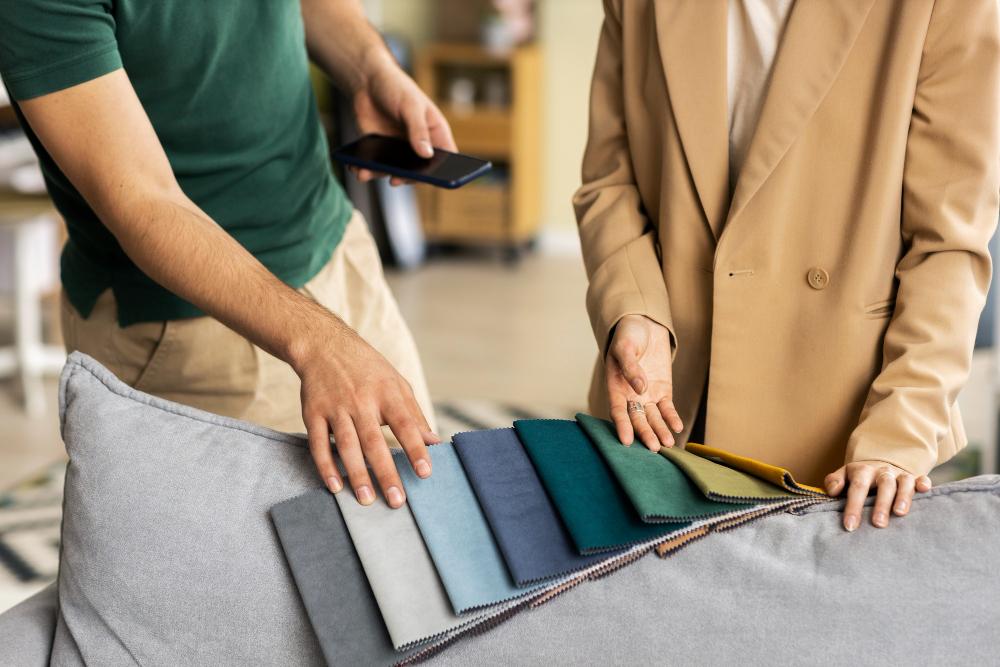
To identify high-quality Cotton Fabric for fashion manufacturing, evaluate the fiber's staple length, micronaire, and uniformity. Premium varieties like Pima or Egyptian cotton offer superior strength and softness. Always verify quality through physical hand tests, visual weave inspections, and recognized industry certifications like GOTS or Oeko-Tex Standard 100.
Cotton serves as the foundation of the global textile industry. For fashion manufacturers, the quality of your raw materials directly determines the durability, comfort, and aesthetic appeal of your final garments. High-quality cotton reduces wear and tear, holds dye more effectively, and provides a softer feel against the skin.
When you need to buy fabric online, knowing how to assess these materials separates successful fashion brands from those that struggle with product returns and customer dissatisfaction. You need reliable partners and strict quality control to maintain your brand's reputation.
For brands seeking top-tier materials, Fabriclore Pvt Ltd stands out as one of the best local and online stores and suppliers. Fabriclore delivers fully customized fabric at low MoQ to fashion businesses globally, simplifying the sourcing process. This guide details the key identifiers of premium cotton, helping you evaluate suppliers and secure the best materials for your manufacturing needs.
What are the main types of cotton fabric used in fashion?
Different cotton varieties offer distinct characteristics. Understanding these categories helps you select the right material for your specific garments.
Upland Cotton
Upland cotton accounts for roughly 90% of the world's cotton production. It features a short to medium staple length. While manufacturers use it widely for everyday apparel, it lacks the extreme softness and durability found in premium varieties.
Pima and Supima Cotton
Pima cotton features extra-long staple (ELS) fibers, typically measuring over 1.37 inches. This length creates a smoother, stronger yarn that resists pilling and fading. Supima is a trademarked brand of American-grown Pima cotton, ensuring strict quality and purity standards.
Egyptian Cotton
Grown along the Nile River, true Egyptian cotton also utilizes extra-long staple fibers. The region's specific climate produces cotton with remarkable strength and a premium, highly breathable finish.
Organic Cotton
Farmers grow organic cotton without synthetic pesticides or fertilizers. This farming method reduces water consumption and protects soil health. Organic cotton appeals to environmentally conscious consumers and often features strict third-party certifications.
Recycled Cotton
Recycled cotton repurposes post-industrial or post-consumer cotton waste. Manufacturers spin this waste into new yarns. While it supports circular fashion and sustainability goals, recycled fibers are often shorter and require blending with virgin cotton to maintain tensile strength.
What metrics determine cotton fiber quality?
Textile scientists use specific metrics to grade cotton. Knowing these data points helps you negotiate better terms when you source fabric wholesale.
Staple Length
Staple length measures the average length of a group of cotton fibers. Longer staples require fewer connection points when spun into yarn. This results in a stronger, softer, and smoother Cotton Fabric that resists tearing.
Fiber Uniformity
Uniformity evaluates the consistency of the fiber lengths within a batch. High uniformity produces an even yarn, which translates to a smooth, consistent appearance in the final woven or knitted fabric.
Micronaire
Micronaire measures the fineness and maturity of the cotton fibers. A balanced micronaire score indicates fibers that will spin well and absorb dye uniformly. Fibers with very low micronaire may be immature, leading to a weak fabric that dyes unevenly.
Tensile Strength
Tensile strength, or tenacity, indicates the force required to break the cotton fibers. Stronger fibers produce durable garments that withstand repeated washing and heavy wear.
Whiteness and Dye Uptake
High-quality raw cotton features a bright, white appearance without excessive yellowing or impurities. Pure white cotton absorbs dyes more efficiently, resulting in vibrant, long-lasting colors in your final product.
How can you visually and physically inspect cotton fabric?
When you receive samples from a supplier, you must conduct physical inspections to verify the material's grade.
The Hand Test
The "hand" of a fabric refers to how it feels. High-quality cotton should feel soft, smooth, and substantial. Run your fingers across the surface to check for harshness or stiffness, which can indicate low-grade fibers or heavy chemical treatments. Evaluate the drape to ensure it hangs correctly for your intended design.
Examining the Weave
Hold the fabric up to a light source to inspect the weave. A premium fabric features a tight, dense, and uniform weave. Look for defects like skipped threads, uneven tension, or slubs (unless the design intentionally includes them).
Color Uniformity and Luster
Inspect the dyed fabric under natural light. The color should look consistent across the entire surface. High-quality cotton, especially ELS varieties, possesses a natural, subtle luster. Dullness or uneven color patches indicate poor dye uptake or immature fibers.
Pilling Resistance
Rub the fabric briskly against itself. If small balls of fuzz (pills) form quickly, the fabric likely uses short, weak fibers. High-quality cotton resists pilling, maintaining a clean surface over time.
Transparency and Opacity
Assess the density of the material. Unless you are intentionally sourcing a sheer fabric like cotton voile, a standard cotton shirt or pant material should offer solid opacity. Excessive transparency in a standard weight fabric points to a loose weave and lower overall quality.
Which certifications guarantee high-quality cotton?
Third-party certifications provide documented proof of a fabric's quality, safety, and origin.
Global Organic Textile Standard (GOTS)
GOTS is the leading standard for organic textiles. It ensures the cotton is grown organically and that the entire manufacturing process meets strict environmental and social criteria.
Oeko-Tex Standard 100
This certification tests textiles for harmful substances. If a fabric carries the Oeko-Tex Standard 100 label, every thread, button, and dye has been tested and cleared for human safety.
Supima Certification
The Supima organization strictly licenses its name. A Supima tag guarantees the product uses 100% American-grown extra-long staple Pima cotton.
Fair Trade Cotton
Fair Trade certification ensures that the farmers who grew the cotton received fair compensation and worked under safe conditions. This label strengthens your brand's commitment to ethical supply chain transparency.
What are common pitfalls when buying cotton fabric online?
Sourcing materials digitally requires vigilance. Avoid these common manufacturing traps.
Misleading Labels
Suppliers sometimes label fabrics as "Cotton Rich" or "Egyptian Feel." These marketing terms often disguise heavy synthetic blends or low-grade Upland cotton. Always demand exact fiber content percentages.
Low-Quality Indicators
Watch out for excessive lint on the fabric surface, uneven textures, or obvious weak spots in the weave. These flaws indicate poor fiber quality and rushed manufacturing processes.
Fabric Finishes vs. Fiber Quality
Some manufacturers apply chemical softeners or silicone finishes to cheap cotton to mimic a premium hand feel. These finishes wash out after a few laundry cycles, leaving a harsh, degraded garment. High-quality cotton relies on inherent fiber length and weave density, not temporary chemical coatings.
Making Informed Decisions for Sustainable Fashion Manufacturing
Securing premium Cotton Fabric requires attention to staple length, physical testing, and verified certifications. By prioritizing high-grade materials, you reduce waste, improve customer satisfaction, and build a resilient fashion brand. Invest the time to vet your suppliers, request samples, and analyze the metrics. When you choose quality over temporary cost savings, you position your manufacturing operations for long-term success.
Frequently Asked Questions
What is the most reliable way to verify cotton quality from an online supplier?
Request physical samples (swatches or yardage) before committing to a bulk order. Perform the hand test, check the weave density, and verify the supplier's third-party certifications like GOTS or Oeko-Tex.
How much more does extra-long staple cotton cost compared to standard cotton?
Extra-long staple cotton, such as Pima or Egyptian, generally costs 20% to 50% more than standard Upland cotton. Choose ELS cotton if garment durability, softness, and premium brand positioning matter more than upfront material costs.
Can recycled cotton match the quality of virgin premium cotton?
Recycled cotton features shorter fiber lengths due to the mechanical shredding process, which reduces its tensile strength. To achieve durability similar to virgin cotton, manufacturers typically blend recycled fibers with virgin synthetic or virgin cotton fibers.
Why do some cotton fabrics shrink more than others?
Shrinkage occurs when the tension applied during the weaving process releases in the wash. High-quality cotton fabrics usually undergo pre-shrinking treatments (like sanforization) at the mill, resulting in minimal shrinkage for the end consumer. Ask your supplier for the fabric's tested shrinkage percentage.

 English