


 SPARK Website
How Chronic Stress And Anxiety Affect The Body And How Massage Can Help
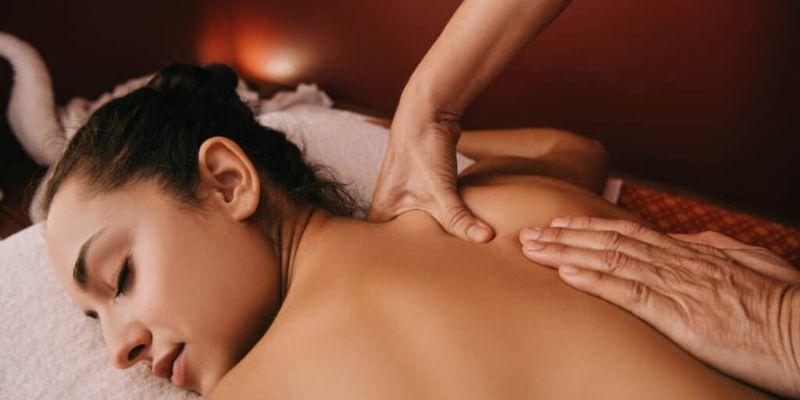
Chronic stress and anxiety can affect both physical and emotional wellbeing. When these conditions continue for extended periods, they may contribute to muscle tension, fatigue, sleep disturbances, headaches, and reduced overall comfort. Massage is often explored as a supportive wellness option because it encourages relaxation and may help relieve some of the physical strain associated with prolonged stress.
Stress is a natural response to challenging situations, but persistent pressure can place the body in a continuous state of alertness. Interest in Body Massage in Chennai has grown among individuals seeking ways to manage physical discomfort linked to demanding schedules, emotional strain, and everyday responsibilities. Understanding how stress influences the body can help explain why relaxation focused therapies continue to be included in many personal wellness routines.
What Happens To The Body During Chronic Stress?
When a person experiences stress, the body activates its natural fight or flight response. This reaction triggers the release of hormones such as cortisol and adrenaline, preparing the body to respond to perceived challenges. While this response can be useful in short term situations, prolonged activation may place considerable strain on multiple bodily systems.
Over time, elevated stress hormone levels can contribute to persistent muscle tightness, disrupted sleep patterns, difficulty concentrating, and ongoing fatigue. Some individuals may also experience digestive discomfort, headaches, and a reduced ability to recover from everyday physical demands. Because these changes often develop gradually, many people fail to recognize the extent to which chronic stress is affecting their wellbeing.
The body and mind are closely connected. Physical discomfort can increase emotional strain, while emotional stress can intensify physical symptoms. This cycle may continue unless steps are taken to support both physical relaxation and mental recovery.
What Are The Common Physical Symptoms Of Anxiety?
Although anxiety is frequently associated with excessive worry, its effects often extend far beyond thoughts and emotions. Many people experience anxiety through physical symptoms that influence their daily comfort and quality of life.
Muscle tension is one of the most common concerns. Tightness often develops in the neck, shoulders, back, and jaw, making movement feel uncomfortable and restricted. Anxiety may also contribute to restlessness, increased heart rate, shallow breathing, and interrupted sleep. When these symptoms persist, they can leave individuals feeling physically exhausted even after periods of rest.
Individuals experiencing ongoing tension sometimes explore Body Massage in Velachery while looking for ways to support relaxation and reduce the physical discomfort that often accompanies long term stress. Addressing muscular tightness may help the body feel more comfortable and improve overall ease throughout daily activities.
Can Massage Help Reduce The Physical Effects Of Stress?
Massage focuses on the structured manipulation of muscles and soft tissues throughout the body. The primary objective is to encourage relaxation by helping areas of tension gradually release. As muscles become less restricted, many individuals notice improvements in physical comfort and flexibility.
The relaxation experienced during a massage session can also influence the nervous system. As the body begins to relax, breathing patterns often become steadier and physical tension may decrease. This calmer state can help individuals feel more comfortable and better equipped to manage everyday pressures.
Massage is also associated with improved circulation. Healthy blood flow helps the delivery of oxygen and nutrients to muscles and tissues, which contributes to normal bodily function. For people experiencing physical strain related to stress, this increased circulation may support a greater sense of physical wellbeing.
Why Is Muscle Tension Closely Connected To Emotional Stress?
The body often reacts to emotional pressure by tightening muscles as a protective response. During stressful periods, many individuals unconsciously hold tension in specific areas of the body. When stress becomes ongoing, these muscles may remain tight for extended periods, leading to stiffness and discomfort.
The shoulders, neck, lower back, and legs are particularly common areas where stress related tension accumulates. Over time, this tightness can affect posture, movement, and overall physical comfort. Recognizing these physical responses is important because they often serve as signs that the body is struggling to recover from prolonged strain.
A session at a Massage Centre in Anna Nagar may provide a calm environment where individuals can focus on relaxation while allowing areas of accumulated tension to gradually soften. Dedicated time for physical recovery can be valuable for those seeking greater comfort and balance within their daily routines.
How Does Relaxation Support Overall Wellbeing?
Relaxation plays an important role in maintaining both physical and emotional health. When the body remains tense for long periods, it uses energy that could otherwise support recovery and normal functioning. Creating opportunities for rest can help reduce this burden and encourage a greater sense of balance.
As physical tension decreases, many people report feeling more comfortable, refreshed, and mentally settled. Improved relaxation may also contribute to better sleep quality, which is an important component of overall wellbeing. Restorative sleep supports energy levels, concentration, and the body's natural recovery processes.
While relaxation cannot eliminate the source of every stressful situation, it can help individuals respond to challenges more effectively. Supporting the body through regular periods of recovery may reduce the impact that ongoing stress has on everyday life.
Chronic stress and anxiety can influence many aspects of health, including muscle tension, sleep quality, energy levels, and daily comfort. When these challenges persist over time, they may form a cycle that affects both physical and emotional wellbeing.
Massage offers a supportive approach to relaxation by encouraging muscle release, promoting physical comfort, and creating opportunities for recovery. Although it should not replace professional medical or psychological care when necessary, it can complement broader wellbeing efforts aimed at reducing the physical effects of long term stress. Understanding the relationship between emotional strain and physical health highlights the importance of making time for recovery, relaxation, and overall self care.

 عربي
عربي