


 SPARK Website
How Multichannel Ecommerce Software Simplifies Selling
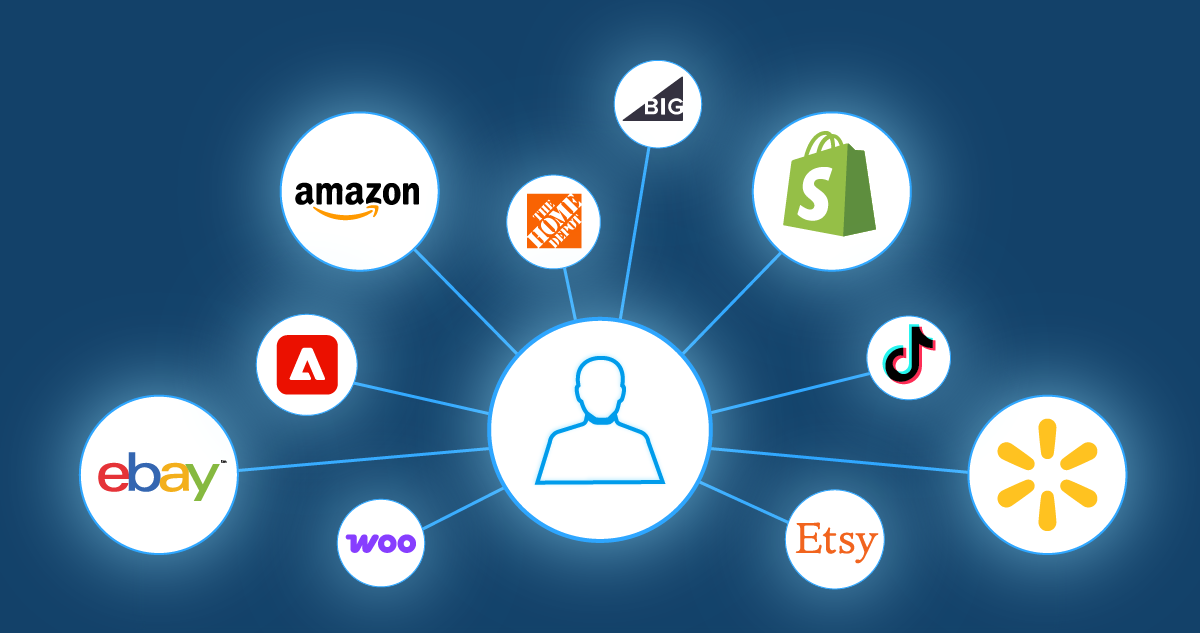
Selling online isn’t limited to one platform anymore. Most sellers today are on multiple places at once—marketplaces, their own websites, maybe even social media shops. And while that sounds great for reach, managing everything separately can get messy pretty fast. That’s where multichannel ecommerce software quietly changes the game.
Instead of jumping between dashboards all day, everything sits in one place. Orders, stock, listings, updates—it all connects. Once you’ve worked with it, you start wondering how people ever managed without it.
Why selling on multiple platforms became tricky
A few years back, most sellers stuck to one store. Now customers are scattered everywhere. Someone might buy from your website, another from a marketplace, and someone else through a social app.
The problem isn’t being everywhere. The problem is keeping everything in sync.
Without multichannel ecommerce software, things start slipping:
-
One platform shows stock available, another doesn’t
-
Orders come in from different systems
-
Product updates have to be repeated everywhere
-
It’s easy to miss something small that becomes a big issue later
And honestly, it doesn’t take long before it feels like you’re just managing systems instead of actually growing a business.
What this software actually changes in daily work
At a simple level, multichannel ecommerce software connects all your selling channels into one control point. That alone removes a lot of daily stress.
Instead of updating five places, you update one. Instead of checking multiple dashboards, you check one screen. It doesn’t sound dramatic on paper, but in real use, it changes how your day feels. Less switching, less repeating, fewer small mistakes.
The biggest relief: everything stays in sync
One of the most frustrating parts of multichannel selling is mismatch—especially with inventory. You sell one product on your website, but your marketplace still shows it as available. That’s how overselling happens.
With a connected system, stock updates everywhere automatically. One sale updates all platforms in real time.
So you don’t end up in situations like:
-
Selling something that’s already out of stock
-
Manually correcting inventory numbers every few hours
-
Getting confused about what’s actually available
It sounds basic, but this alone saves a lot of headaches.
Order management becomes less chaotic
Before tools like this, orders used to feel scattered. One comes from here, another from there, and you’re trying to piece everything together. With multichannel ecommerce software, everything lands in one dashboard. You don’t need to check different platforms just to understand what came in today.
It usually helps with:
-
Seeing all orders in one place
-
Tracking shipping updates without switching tabs
-
Reducing missed or delayed responses
-
Keeping customer communication consistent
It’s not about doing more—it’s about not losing track.
Product updates stop being repetitive work
Anyone who sells on multiple platforms knows this pain: you update a product once, then repeat the same thing five more times elsewhere. Price change? Repeat. Description change? Repeat. New image? Again and again. With multichannel ecommerce software, you do it once and it syncs everywhere.
That alone changes how you manage your store. It turns a repetitive task into something that just, happens in the background.
Better visibility into what’s actually happening
When sales are spread out, it’s hard to see the full picture. You might feel like things are going well, but you’re only looking at part of the data.
A connected system brings everything together:
-
Total sales across all platforms
-
Best-performing products
-
Weak channels that need attention
-
Real-time performance updates
Once everything is in one place, decisions feel less like guessing and more like understanding.
Customer experience becomes smoother without extra effort
Your backend might not be visible to customers, but it will surely be felt whenever there is chaos. Delayed updates, no confirmations, and inconsistent information—what do you get? You get confusion.
But multichannel ecommerce software ensures that communications are standardized throughout all channels. Orders get confirmed the same way, tracking updates go out on time, and customers aren’t left wondering what’s happening. It’s a small thing, but it builds trust quietly over time.
It still needs human direction
Even with all the automation and syncing, this isn’t something you just set and forget.
There are still things that need your judgment:
-
What products to push
-
How to price things
-
How to handle unhappy customers
-
Which channels are actually worth focusing on
The software handles the repetitive structure. You still handle the thinking. That balance is usually what makes it work properly.
Common mistakes people make with it
A lot of sellers jump into multichannel systems expecting everything to fix itself instantly. That’s usually where problems start.
Some common issues:
-
Connecting too many channels too quickly
-
Not checking how inventory rules are set up
-
Leaving duplicate product listings untouched
-
Ignoring small sync errors early on
Multichannel ecommerce software works best when it’s set up slowly and properly, not rushed.
Where all this is heading
Selling online is clearly moving toward systems that handle more of the repetitive work automatically. Not just syncing data, but understanding it better over time.
The future feels less like managing platforms and more like managing one system that connects everything. And that’s really the direction multichannel ecommerce software is pushing things toward.
Final thoughts
At the end of the day, selling on multiple platforms isn’t the hard part anymore. Managing them separately is.
Once everything is connected, things feel lighter. Less confusion, fewer small mistakes, and more time to actually focus on growing the business instead of fixing daily issues.
If you’re trying to simplify how your store runs across channels, tools like MySellingHub built around multichannel ecommerce software can make things a lot easier without overcomplicating the process.

 عربي
عربي