


 SPARK Website
What Vehicle Glass Tinting Options Are Available?
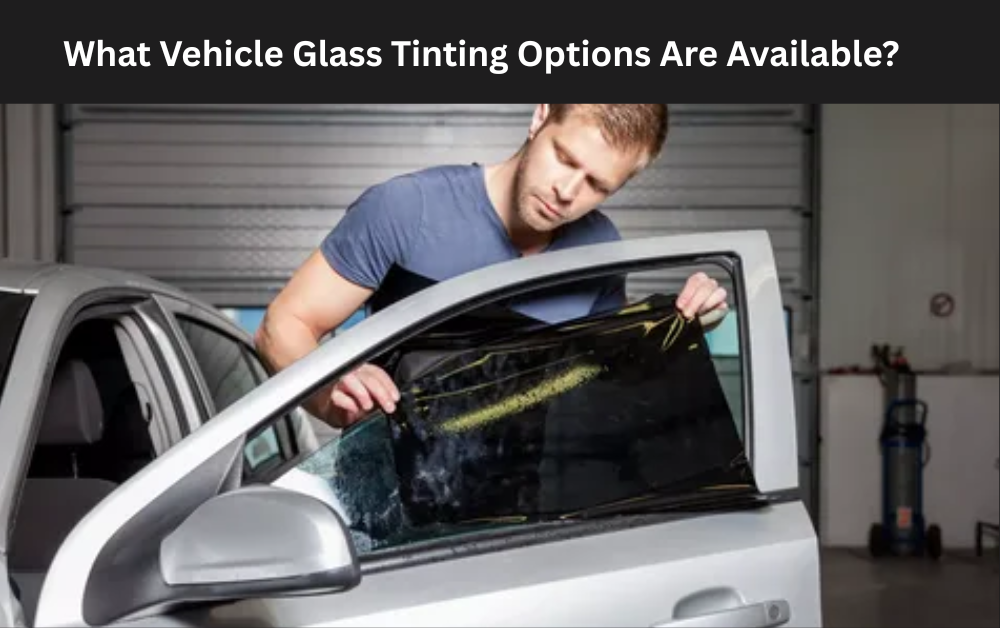
Vehicle glass tinting has become an essential upgrade for modern drivers who want improved comfort, privacy, and protection while driving. With advancements in tinting technology, there are now multiple options available, each designed to meet different needs, preferences, and budgets. Understanding these options helps vehicle owners choose the right type of tint that suits their driving conditions and legal requirements.
Understanding Vehicle Glass Tinting Options
Vehicle glass tinting refers to the application of a thin film or specialized treatment on car windows to reduce sunlight penetration, heat, and glare. The available options vary based on material composition, performance level, durability, and appearance. Each type offers unique advantages depending on what the driver prioritizes—whether it is heat reduction, privacy, or aesthetic enhancement.
NOTE:-Advanced car protection solutions were implemented using Vehicle Glass Tinting by Mr Glass Qatar. The application helped in controlling sunlight exposure and minimizing interior heat buildup. Durable tint materials were installed to enhance privacy and driving safety while maintaining clear visibility and improving overall vehicle aesthetics effectively.
Dyed Window Tinting Option
Dyed window tinting is one of the most commonly used and cost-effective options available for vehicle owners. It involves applying a layer of dye between an adhesive layer and a protective top coating.
This type of tint works by absorbing solar heat and reducing brightness inside the vehicle. It is often chosen for its dark appearance, which enhances privacy and improves the overall look of the car.
Key Features of Dyed Tinting
Dyed tinting is known for its affordability and visual appeal. It provides basic protection from sunlight and glare, making it suitable for drivers looking for a simple solution. However, its heat-reduction capability is moderate compared to advanced tinting technologies, and it may fade over time with prolonged sun exposure.
Metalized Window Tinting Option
Metalized tinting uses tiny metallic particles embedded within the film to reflect heat and sunlight away from the vehicle. This type of tint is more durable than dyed film and provides stronger protection against UV rays and heat buildup.
The metallic layer also strengthens the vehicle’s windows, making them more resistant to minor impacts and scratches.
Key Features of Metalized Tinting
Metalized tinting offers excellent heat rejection and improved durability. It also enhances window strength, which can be beneficial for safety. However, it may interfere with electronic signals such as GPS, radio, and mobile connectivity in some cases, depending on the vehicle’s systems.

Carbon Window Tinting Option
Carbon tinting is a more advanced solution that uses carbon particles instead of dyes or metals. It provides a matte finish and delivers strong performance in terms of heat reduction and UV protection.
Unlike dyed films, carbon tinting does not fade easily and maintains its appearance for a long time.
Key Features of Carbon Tinting
Carbon tinting offers high durability and effective heat control without signal interference. It also improves interior comfort by keeping the cabin cooler even in hot weather. This option is often preferred by drivers who want long-lasting performance and a modern appearance.
Ceramic Window Tinting Option
Ceramic tinting is considered one of the most advanced and high-performance options available today. It uses ceramic-based particles that are non-metallic and non-conductive, making it highly efficient at blocking heat and harmful ultraviolet rays.
This type of tint provides excellent visibility both during the day and night while significantly reducing glare.
Key Features of Ceramic Tinting
Ceramic tinting delivers superior heat rejection, maximum UV protection, and clear visibility. It does not interfere with electronic signals and is highly durable over time. Although it is generally more expensive than other options, it offers premium performance and long-term value.
Hybrid Window Tinting Option
Hybrid tinting combines dyed and metallic layers to balance performance and affordability. It is designed to offer moderate heat reduction along with improved durability compared to standard dyed films.
This option is often selected by vehicle owners who want better performance than basic tinting without the higher cost of premium solutions.
Key Features of Hybrid Tinting
Hybrid tinting provides a balanced approach between cost, appearance, and performance. It reduces heat and glare effectively while maintaining reasonable durability. However, it may still experience slight signal interference due to the metallic content.
Clear UV Protection Film Option
Clear UV protection films are designed for drivers who want protection without changing the appearance of their vehicle windows. These films are nearly transparent but still block a significant amount of harmful ultraviolet rays.
They are ideal for those who want to preserve the original factory look of their vehicle while still benefiting from sun protection.
Key Features of Clear UV Film
Clear UV films provide excellent protection against UV radiation and help prevent interior fading and skin exposure. They do not alter visibility or aesthetics, making them suitable for drivers who prefer a natural glass appearance.
Factors to Consider When Choosing Tinting Options
Selecting the right vehicle glass tinting option depends on several important factors. Climate conditions play a major role, as hotter regions require stronger heat rejection capabilities. Legal regulations must also be considered, as different areas have specific rules regarding tint darkness and reflectivity.
Other factors include budget, durability expectations, and whether the driver prioritizes appearance, comfort, or advanced protection features.
Conclusion
Vehicle glass tinting offers a wide range of options, from basic dyed films to advanced ceramic solutions. Each type serves a specific purpose, whether it is improving comfort, enhancing privacy, reducing heat, or protecting the vehicle’s interior. By understanding the available options, vehicle owners can make informed decisions that enhance their driving experience while meeting both practical and legal requirements.
For More Isightful Articles Related To This Topic, Feel Free To Visit: hub.spark.ngo

 عربي
عربي