


 SPARK Website
Edge Computing in Live Sports Betting: Why Processing Odds at the Network Edge is the Future of In-Play Markets
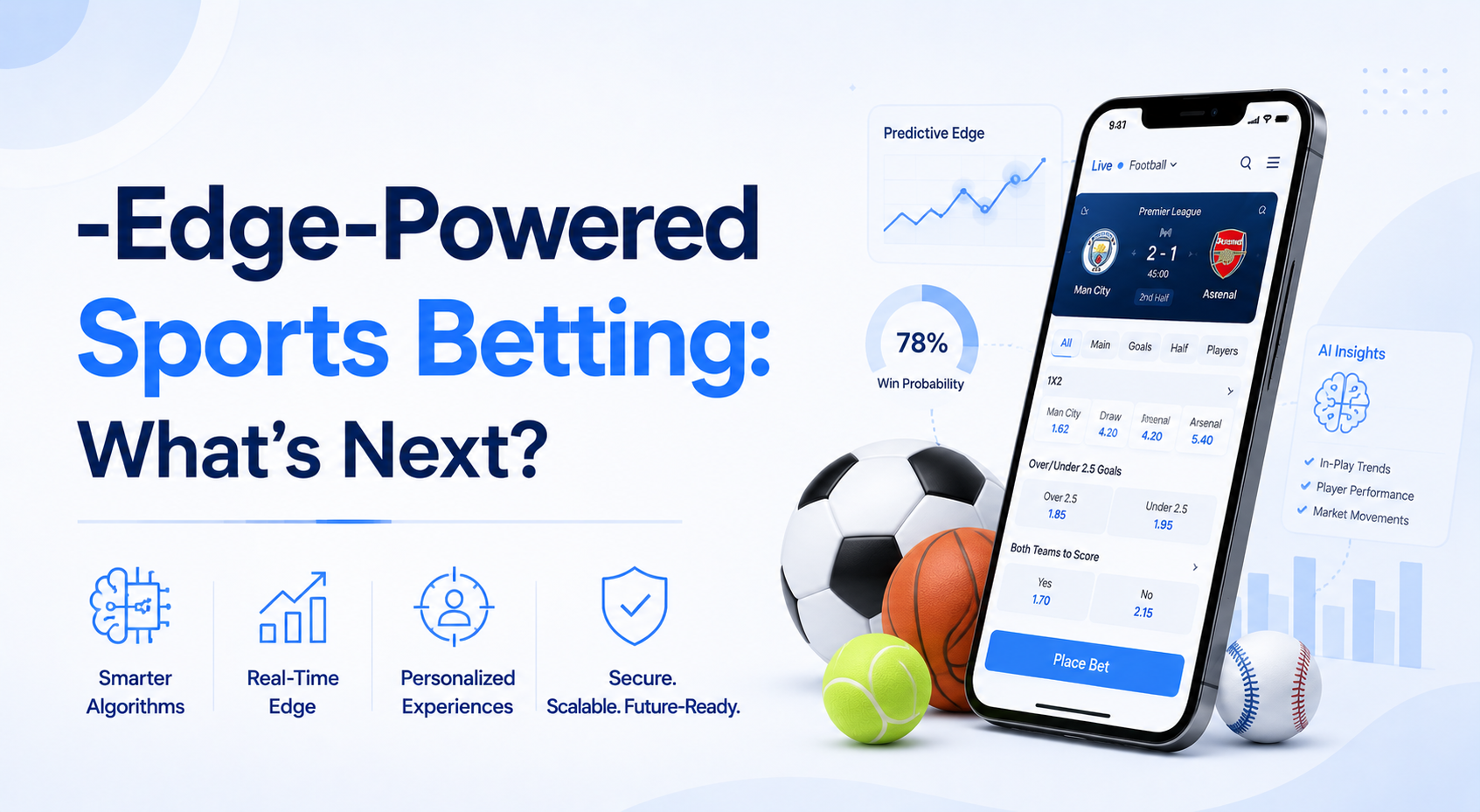
The live sports betting industry is evolving rapidly as users demand faster updates, real-time betting opportunities, and seamless digital experiences. Modern bettors no longer tolerate delays in odds adjustments or lag during live matches. To meet these expectations, every forward-thinking sports betting app development company is exploring advanced technologies like edge computing to improve in-play betting performance and reduce latency issues.
As live betting becomes one of the most profitable segments in the iGaming industry, edge computing is emerging as a game-changing solution for sportsbooks worldwide. By processing betting data closer to users and sporting venues, edge computing helps sportsbooks deliver ultra-fast odds updates, real-time analytics, and smoother betting experiences.
In this article, we explore how edge computing is transforming live sports betting and why processing odds at the network edge is the future of in-play markets.
Understanding Edge Computing in Sports Betting
Edge computing is a distributed computing model where data processing happens closer to the source of data generation instead of relying entirely on centralized cloud servers.
In traditional sportsbook infrastructure:
-
Betting data is sent to centralized servers
-
Odds are calculated remotely
-
Responses travel back to users
This process creates delays, especially during high-traffic live events.
With edge computing:
-
Data is processed near users or local servers
-
Odds updates happen faster
-
Latency is significantly reduced
-
Real-time betting becomes more efficient
For live sports betting, where milliseconds matter, edge computing provides a major competitive advantage.
Why Speed Matters in In-Play Betting
In-play betting depends entirely on speed and accuracy. Odds constantly change during a live match based on:
-
Goals scored
-
Fouls committed
-
Injuries
-
Player substitutions
-
Momentum shifts
-
Time remaining
Even a small delay in updating odds can create:
-
Unfair betting opportunities
-
Financial risk for sportsbooks
-
Poor user experiences
-
Increased chances of arbitrage betting
For example, if a goal is scored but the sportsbook platform updates odds several seconds later, users may exploit outdated betting lines before adjustments occur.
Edge computing helps solve this problem by processing live event data much closer to the betting environment, enabling sportsbooks to react instantly.
How Edge Computing Reduces Latency
Latency refers to the delay between data generation and system response.
In centralized cloud systems, data must travel long distances between:
-
User devices
-
Data providers
-
Central servers
-
Betting platforms
This can create noticeable delays during live events with heavy traffic.
Edge computing reduces latency by:
-
Deploying local processing nodes
-
Caching betting data regionally
-
Updating odds in real time
-
Processing transactions closer to users
As a result, sportsbooks can:
-
Deliver faster bet confirmations
-
Improve live streaming synchronization
-
Reduce buffering issues
-
Enhance betting accuracy
Low latency is especially important during high-speed sports such as football, basketball, tennis, and esports where events change within seconds.
Real-Time Odds Processing at the Network Edge
One of the biggest advantages of edge computing is localized odds processing.
Traditional sportsbooks rely heavily on centralized systems for odds calculation, which can create bottlenecks during large sporting events. Edge infrastructure distributes the computational workload across multiple local nodes.
This allows sportsbooks to:
-
Calculate odds faster
-
Process more bets simultaneously
-
Handle traffic spikes efficiently
-
Reduce server overload
Real-time odds adjustments improve sportsbook profitability because operators can minimize the risk associated with delayed market reactions.
For bettors, this creates a more dynamic and engaging betting experience.
Improved User Experience for Mobile Bettors
Mobile betting dominates the sports betting market in 2026. Most users now place wagers through smartphones and tablets during live sporting events.
Edge computing significantly improves mobile betting experiences by:
-
Accelerating page loading speeds
-
Reducing app lag
-
Enhancing live streaming quality
-
Improving real-time notifications
-
Delivering smoother navigation
Users expect instant interactions while betting live. Slow-loading interfaces or delayed odds updates can quickly drive users to competing platforms.
By processing data closer to mobile users, sportsbooks can deliver faster and more reliable betting services across different geographic regions.
Scalability During Major Sporting Events
Global sporting tournaments generate enormous traffic spikes for sportsbooks. Events such as:
-
FIFA World Cup
-
UEFA Champions League
-
IPL cricket matches
-
NBA playoffs
-
Super Bowl
-
Esports championships
can attract millions of simultaneous bettors worldwide.
Traditional centralized systems often struggle to handle this demand efficiently.
Edge computing enhances scalability by:
-
Distributing workloads across regional servers
-
Reducing pressure on central infrastructure
-
Processing live data locally
-
Supporting higher transaction volumes
This decentralized approach improves system reliability and prevents platform crashes during peak betting activity.
For sportsbooks, maintaining platform stability during major events directly impacts revenue and customer trust.
Enhanced Data Security and Reliability
Security remains a major concern in the sports betting industry because sportsbooks process sensitive user information and financial transactions.
Edge computing improves security by:
-
Reducing data transmission distances
-
Limiting centralized vulnerabilities
-
Supporting localized encryption
-
Enhancing fraud detection capabilities
Since data processing occurs closer to the source, there is less exposure to large-scale cyberattacks targeting centralized systems.
Edge infrastructure also improves operational reliability. Even if one regional node experiences issues, other nodes can continue functioning independently, reducing downtime risks.
This resilience is essential for sportsbooks operating in highly competitive global markets.
The Role of AI and Machine Learning in Edge Betting Systems
Artificial intelligence and machine learning are becoming increasingly important in modern sportsbooks.
When combined with edge computing, AI systems can:
-
Analyze live match data instantly
-
Predict betting trends
-
Detect suspicious betting activity
-
Optimize dynamic odds
-
Personalize betting recommendations
Edge-based AI processing allows sportsbooks to make faster decisions without waiting for centralized cloud computations.
For example:
-
Machine learning models can instantly evaluate player performance changes
-
Odds can adjust automatically within milliseconds
-
Fraud detection systems can identify unusual betting patterns in real time
This creates smarter and more responsive betting ecosystems.
Edge Computing and Live Streaming Integration
Live streaming has become a critical feature in modern sports betting platforms. Many bettors prefer watching matches directly within sportsbook apps while placing live wagers simultaneously.
However, synchronization issues between live streams and betting odds can create major challenges.
Edge computing helps synchronize:
-
Video streaming
-
Live match statistics
-
Odds updates
-
Betting interfaces
By reducing latency between streaming content and betting systems, sportsbooks can create more immersive and accurate in-play betting experiences.
This integration is particularly valuable for fast-paced sports where every second matters.
Future Opportunities for Edge Computing in Sports Betting
The future of sports betting technology will likely depend heavily on edge computing infrastructure.
Emerging innovations may include:
-
Ultra-low-latency betting markets
-
Augmented reality betting experiences
-
Real-time biometric betting data
-
Advanced AI-powered odds engines
-
Decentralized betting ecosystems
-
5G-powered live betting applications
As internet speeds improve and edge networks expand globally, sportsbooks will gain even greater opportunities to optimize performance and user engagement.
Companies that adopt edge computing early will likely gain a strong competitive advantage in the rapidly evolving iGaming landscape.
Challenges of Implementing Edge Computing
Despite its advantages, implementing edge computing in sportsbook operations comes with challenges.
These may include:
-
High infrastructure costs
-
Complex network management
-
Integration difficulties
-
Data consistency concerns
-
Maintenance requirements
Sportsbooks must carefully design scalable and secure edge architectures that align with regulatory and operational needs.
Working with experienced technology partners can simplify implementation and improve long-term efficiency.
Choosing the Right Technology Partner
As edge computing becomes more important in live betting environments, sportsbooks need development partners with expertise in low-latency infrastructure, real-time analytics, and scalable platform architecture.
A reliable Sportsbook platform provider can help operators build advanced edge-enabled betting ecosystems capable of supporting high-speed in-play markets, live streaming synchronization, and AI-driven odds processing. Choosing the right technology partner ensures better performance, stronger security, and long-term operational scalability.
Final Thoughts
Edge computing is reshaping the future of live sports betting by enabling faster odds processing, reduced latency, and improved in-play betting experiences. As bettors continue demanding real-time interactions and seamless mobile functionality, sportsbooks must adopt technologies capable of delivering instant responses at scale.
By processing data closer to users and sporting venues, edge computing helps sportsbooks improve reliability, security, and operational efficiency. Combined with AI, machine learning, and live streaming integration, edge infrastructure is becoming a critical component of next-generation sportsbook platforms.
In the coming years, sportsbooks that embrace edge computing will be better positioned to compete in the fast-paced and highly competitive global betting industry.

 عربي
عربي