


 SPARK Website
Tularemia Therapeutic Market Growth Drivers and Challenges Analysis
Market Overview
The global Tularemia Therapeutic Market is witnessing steady growth due to increasing awareness regarding infectious diseases and rising investments in advanced treatment development. Tularemia is a rare bacterial infectious disease caused by Francisella tularensis and can affect humans through insect bites, contaminated water, or direct contact with infected animals.
The market is expanding as healthcare organizations and pharmaceutical companies continue to focus on improving infectious disease management and strengthening preparedness against rare bacterial infections. Rising demand for effective antibiotics, vaccines, and diagnostic technologies is contributing significantly to market growth.
Furthermore, increasing government support for infectious disease research, advancements in antimicrobial therapies, and growing healthcare expenditure are expected to create favorable opportunities for market participants globally.
Full Report: https://reedintelligence.com/market-analysis/tularemia-therapeutic-market
Market Size
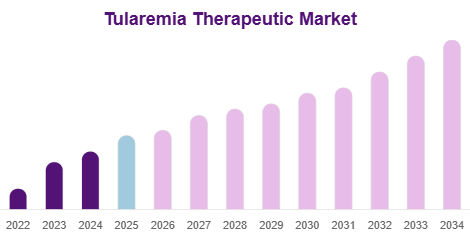
The global Tularemia Therapeutic Market size was USD 146.64 billion in 2024 and is projected to grow from USD 155.97 billion in 2025 to USD 238.12 billion by 2033.
The market is anticipated to witness a steady CAGR during the forecast period owing to increasing infectious disease awareness and rising investments in therapeutic development and healthcare infrastructure.
Market Drivers
Increasing Incidence of Infectious Diseases
One of the major drivers of the Tularemia Therapeutic Market is the increasing prevalence of infectious diseases globally. Growing awareness regarding bacterial infections and zoonotic diseases is encouraging healthcare providers to improve diagnostic and treatment capabilities.
Healthcare organizations are actively focusing on strengthening infectious disease surveillance and expanding access to effective treatment solutions.
Advancements in Antibiotic and Vaccine Development
Rapid advancements in antimicrobial therapies and vaccine research are supporting market growth. Pharmaceutical companies are investing in innovative antibiotic formulations and preventive treatment strategies for managing tularemia infections effectively.
The increasing focus on targeted therapies and improved drug delivery technologies is expected to strengthen market expansion during the forecast period.
Government Support for Biodefense Programs
Tularemia is considered a potential biothreat agent, leading governments and healthcare agencies to invest in biodefense preparedness programs and infectious disease management initiatives. Increasing funding for research and development activities is positively influencing market growth globally.
Rising collaboration between public health agencies and pharmaceutical manufacturers is also contributing significantly to market development.
Expansion of Healthcare Infrastructure
Improving healthcare infrastructure and expanding access to infectious disease treatment services are supporting the growth of the Tularemia Therapeutic Market. Emerging economies are increasingly investing in healthcare modernization and disease control programs.
Market Challenges
Limited Disease Awareness
Tularemia remains a relatively rare disease in several regions, resulting in limited public awareness and delayed diagnosis. Lack of familiarity among patients and healthcare providers may impact treatment accessibility and disease management.
High Research and Development Costs
Developing advanced therapeutics and vaccines for rare infectious diseases requires substantial research investments and extensive clinical trials. High development costs may create financial challenges for pharmaceutical companies.
Regulatory and Approval Challenges
Strict regulatory requirements and lengthy approval processes for infectious disease treatments can delay product commercialization. Compliance with safety standards and clinical testing procedures may increase operational complexity.
Request Free Sample: https://reedintelligence.com/market-analysis/tularemia-therapeutic-market/request-sample
Tularemia Therapeutic Market Segmentation
By Treatment Type
Antibiotic Therapy
Antibiotic therapy represents the largest segment in the Tularemia Therapeutic Market due to the widespread use of antimicrobial drugs for treating bacterial infections. Antibiotics remain the primary treatment approach for managing tularemia cases effectively.
Vaccine Development
Vaccine development is gaining increasing attention due to growing focus on disease prevention and biodefense preparedness. Research organizations and pharmaceutical companies are investing in advanced vaccine technologies to improve infection control strategies.
Supportive Care Treatment
Supportive care treatments are utilized to manage symptoms and improve patient recovery outcomes. Hospitals and healthcare providers often combine supportive therapies with antibiotic treatment for comprehensive disease management.
By End User
Hospitals
Hospitals account for a significant market share due to the availability of infectious disease specialists, advanced diagnostic facilities, and emergency treatment infrastructure.
Specialty Clinics
Specialty infectious disease clinics are increasingly adopting advanced treatment protocols and diagnostic technologies for managing bacterial infections efficiently.
Research Institutes
Research institutes contribute significantly to market growth through ongoing infectious disease studies, vaccine development programs, and antimicrobial research activities.
By Distribution Channel
Hospital Pharmacies
Hospital pharmacies remain a major distribution channel for antibiotics, supportive therapies, and specialized infectious disease treatments.
Retail Pharmacies
Retail pharmacies contribute to treatment accessibility by providing prescription medications and healthcare support services for outpatient care.
Online Pharmacies
Online pharmacies are witnessing increasing adoption due to growing digital healthcare trends and improved accessibility to pharmaceutical products.
Regional Analysis
North America
North America dominates the Tularemia Therapeutic Market due to advanced healthcare infrastructure, increasing investments in biodefense research, and strong infectious disease management programs. The United States represents a major regional contributor.
Europe
Europe holds a substantial market share owing to growing healthcare investments, increasing awareness regarding zoonotic diseases, and expanding infectious disease research activities.
Asia-Pacific
The Asia-Pacific region is expected to witness rapid growth during the forecast period due to improving healthcare systems, increasing healthcare expenditure, and growing focus on infectious disease preparedness in countries such as China, Japan, and India.
Latin America and Middle East & Africa
These regions are gradually emerging as potential growth markets due to improving healthcare accessibility and increasing awareness regarding infectious disease diagnosis and treatment.
Top Players Analysis
The Tularemia Therapeutic Market is highly competitive, with pharmaceutical companies and healthcare organizations focusing on antimicrobial innovation, vaccine development, and strategic research collaborations.
Major Companies Operating in the Market
-
Pfizer Inc.
-
GlaxoSmithKline plc
-
Sanofi S.A.
-
Merck & Co. Inc.
-
Johnson & Johnson Services Inc.
-
Bayer AG
-
Novartis AG
-
AstraZeneca plc
-
Emergent BioSolutions Inc.
-
Abbott Laboratories
These companies are actively investing in infectious disease research, advanced therapeutic development, and strategic partnerships to strengthen their market presence. Increasing focus on vaccine innovation and antimicrobial resistance management is expected to intensify competition across the market.
Conclusion
The Tularemia Therapeutic Market is expected to witness steady growth during the forecast period due to increasing awareness regarding infectious diseases and growing investments in advanced treatment solutions. Rising government support for biodefense initiatives, advancements in antimicrobial therapies, and improving healthcare infrastructure are driving overall market expansion globally.
Furthermore, continuous innovation in vaccine development, expansion of infectious disease research programs, and increasing healthcare modernization initiatives are expected to create substantial growth opportunities for market participants. Companies focusing on advanced therapeutic solutions, research collaborations, and infectious disease preparedness are likely to strengthen their competitive position in the coming years.

 English