


 SPARK Website
Solar Compactor Bin Solutions for Eco-Friendly Waste Management
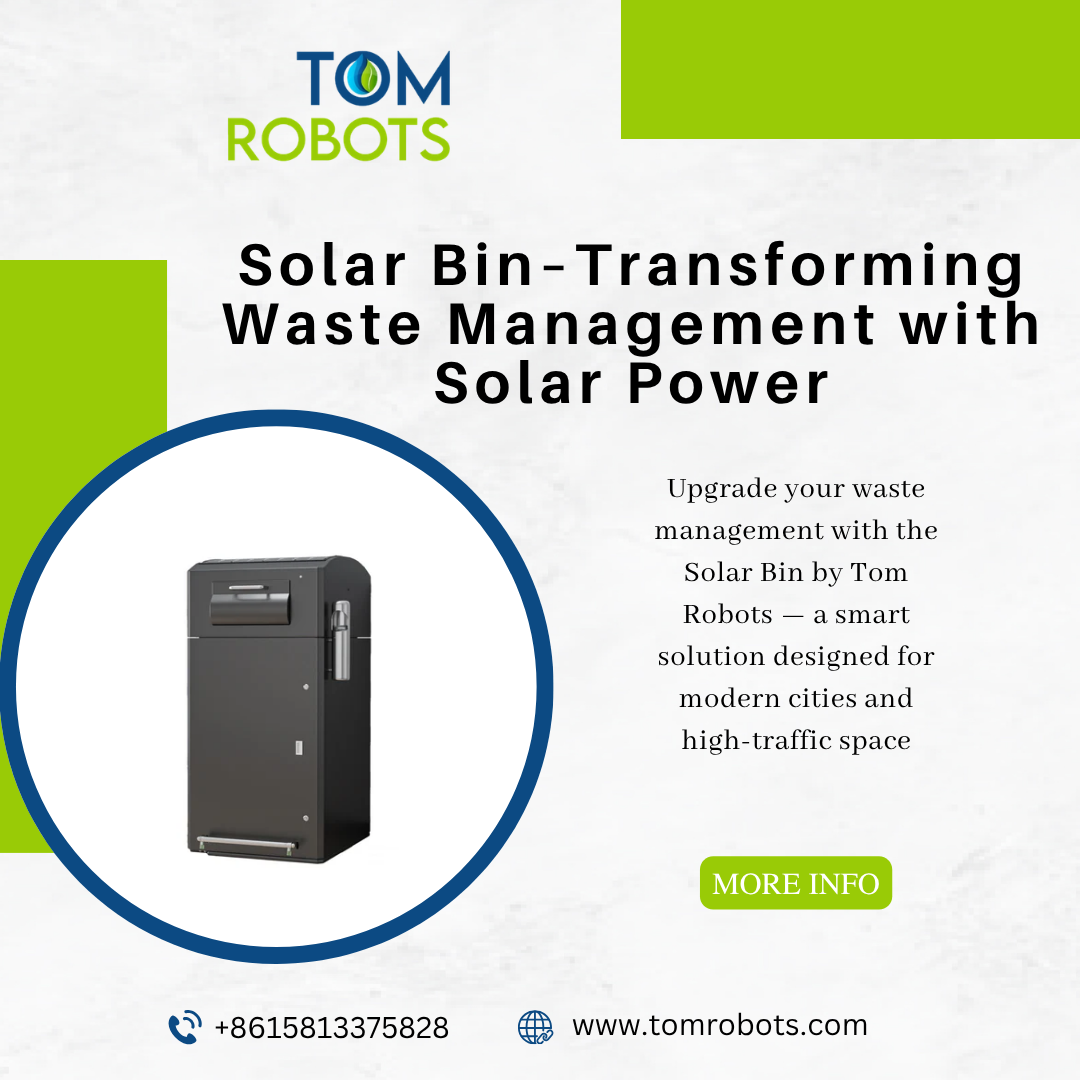
Cities today are producing more waste than ever before. With busy streets, crowded public spaces, and rising consumption, traditional dustbins often fail to keep up. Overflowing garbage, bad odors, and frequent collection issues have become common problems. To solve this, modern technology is stepping in with smarter solutions like solar-based waste systems that improve cleanliness and reduce operational pressure.
One of the most effective innovations in this space is the Solar Compactor Bin Solutions for Eco-Friendly Waste Management, designed to handle waste more efficiently while supporting sustainability goals.
A Smarter Way to Manage Urban Waste
Waste management is no longer just about collecting garbage—it’s about managing it efficiently. A Solar Powered Trash Bin is designed to automatically compress waste using solar energy. This simple but powerful idea helps increase bin capacity and reduces the need for frequent emptying.
Instead of relying on manual monitoring, these bins use built-in systems that detect waste levels and compact it when needed. This means more waste can fit into a single bin, reducing overflow issues in busy public areas like parks, streets, malls, and transport stations.
Because it runs on solar energy, it does not depend on electricity, making it suitable for both urban and remote locations. This makes it a practical and cost-effective solution for municipalities and private facility managers.
How Solar Compaction Makes a Difference
The main advantage of a Solar Compactor Bin is efficiency. It compresses waste automatically, which reduces volume and keeps the bin usable for a longer time. This directly reduces the number of collection trips required, saving fuel, labor, and time.
Another benefit is cleanliness. Since waste is compacted, bins are less likely to overflow, even in high-traffic areas. This improves hygiene and makes public spaces more pleasant for people.
These systems also support smart monitoring. Many modern units can track fill levels and alert waste management teams when service is required. This ensures timely collection without unnecessary trips.
Eco-Friendly Technology for Better Cities
Sustainability is at the core of modern waste solutions. A Smart Solar Bin uses renewable energy from the sun, reducing dependency on conventional power sources. This helps lower carbon emissions and supports cleaner city infrastructure.
By reducing waste overflow and collection frequency, these bins also cut down vehicle usage for garbage pickup. This leads to lower fuel consumption and fewer emissions, which is a major step toward greener cities.
In addition, better waste control improves public awareness. When people see clean and well-maintained bins, they are more likely to dispose of waste responsibly. This small behavioral change contributes to long-term environmental improvement.
Real-World Use Cases
Solar-powered waste systems are being used in many public and private spaces. In smart cities, they are installed along roadsides and parks to maintain cleanliness without constant manual supervision. Airports and railway stations use them to manage high passenger traffic efficiently.
Commercial spaces like shopping malls, business parks, and tourist areas also benefit from these systems. A Eco Solar Bin is especially useful in such environments where waste generation is continuous and unpredictable.
These bins are also ideal for developing regions where electricity access may be limited but waste management is still a growing concern.
The Future of Waste Management
The future of waste handling is moving toward automation and sustainability. Smart technologies, solar energy, and real-time monitoring are becoming standard features in modern infrastructure. As cities grow, the need for efficient waste systems will continue to rise.
We can expect further improvements such as IoT-based tracking, AI-powered waste prediction, and better integration with smart city networks. These advancements will make waste management more proactive rather than reactive.
Conclusion
Managing waste efficiently is one of the biggest challenges for modern cities. Traditional systems are no longer enough to handle growing demands. Solar-powered solutions offer a smarter, cleaner, and more sustainable way forward.
By adopting technologies like the Solar Powered Trash Bin, Solar Compactor Bin, Smart Solar Bin, and Eco Solar Bin, cities can significantly improve cleanliness, reduce costs, and move toward a more sustainable future.
The shift is not just about technology—it’s about creating healthier, cleaner, and more livable environments for everyone.

 عربي
عربي