


 SPARK Website
Precision Stitching for Modern Apparel Branding: A Complete Guide
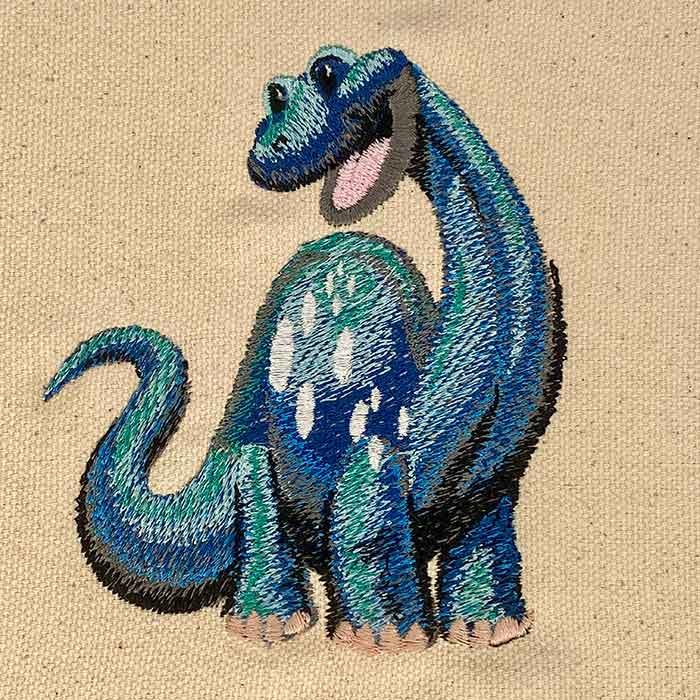
High-Quality Stitch Conversion for Modern Apparel Branding
Professional embroidery digitizing is the process of converting artwork, logos, or text into a digital stitch file that embroidery machines can read. This process is essential for apparel brands, promotional companies, and custom merchandise businesses that require accurate and clean embroidery results.
Without proper digitizing, even a high-resolution design can appear distorted, uneven, or unprofessional when stitched onto fabric. Many businesses face issues such as thread breaks, misaligned designs, and poor stitch density simply because the digitizing stage was not handled correctly.
This guide breaks down how digitizing works, the challenges involved, and how to achieve consistent results across different fabrics and design types.
Understanding the Core Process
At its core, embroidery digitizing is not just a conversion task—it is a technical mapping process. Each part of the artwork is translated into stitch types, directions, and densities.
The digitizer decides:
- Stitch types (satin, fill, running stitch)
- Stitch direction and flow
- Underlay structure for stability
- Stitch density based on fabric type
A well-executed file ensures smooth machine performance and a clean final output. Poor decisions at this stage often lead to puckering, thread breaks, or distorted shapes.
Why Quality Matters in Embroidery Production
One of the biggest challenges in embroidery production is maintaining design clarity across different materials. A design that looks perfect on cotton may fail on polyester or denim if not properly adjusted.
Common issues caused by poor digitizing include:
- Blurry or uneven edges
- Fabric puckering around stitched areas
- Misaligned lettering or logos
- Excess thread breaks during machine operation
These problems increase production time and cost, especially for bulk orders. This is where proper planning and technical understanding become essential.
Key Factors That Influence Stitch Quality
Several technical factors directly affect embroidery results. Understanding these helps reduce errors and improve production efficiency.
1. Fabric Type
Different fabrics behave differently under stitching pressure. Stretchable materials require more flexible stitch paths, while thicker fabrics need stronger underlay support.
2. Design Complexity
Highly detailed artwork may need simplification before digitizing. Small text or intricate gradients often need adjustments to maintain clarity.
3. Stitch Density
Too much density can cause stiffness and thread breaks. Too little can lead to gaps in the design. Balancing density is critical for smooth output.
4. Machine Capability
Not all embroidery machines handle complex designs equally. File optimization must match machine limitations.
Common Mistakes in Digitizing Workflows
Many beginners and even some experienced digitizers make avoidable mistakes that affect final output quality.
- Ignoring fabric shrinkage and movement
- Overusing fill stitches where satin would be better
- Not testing stitch paths before final production
- Poor letter spacing in text-based designs
- Using excessive stitch counts unnecessarily
Avoiding these mistakes improves efficiency and reduces production errors significantly.
How Businesses Benefit from Accurate Digitizing
For apparel companies and branding agencies, embroidery quality directly impacts brand perception. Clean stitching enhances product value and customer trust.
Benefits include:
- Consistent branding across all products
- Faster production with fewer machine errors
- Reduced material wastage
- Improved customer satisfaction
- Better scalability for bulk orders
When digitizing is handled correctly, production becomes more predictable and cost-efficient.
Improving Workflow Efficiency in Embroidery Projects
A structured workflow can significantly improve results in embroidery production.
Steps for better efficiency:
- Analyze artwork before digitizing
- Choose stitch types based on design zones
- Test on sample fabric before bulk production
- Adjust density and underlay based on test results
- Maintain standardized settings for repeated designs
This systematic approach reduces trial-and-error and ensures consistent output.
The Role of Expertise in Modern Digitizing
Modern embroidery requires both technical knowledge and creative understanding. A skilled digitizer must understand how stitches interact with fabric behavior.
This is where professional embroidery digitizing becomes more than just software work—it becomes a specialized craft. Experienced digitizers can anticipate production issues before they occur and adjust designs accordingly.
Businesses that invest in quality digitizing services often see fewer production delays and better overall product presentation.
Future Trends in Embroidery Digitizing
The industry is evolving with advancements in software automation and AI-assisted design mapping. However, human expertise is still essential for quality control.
Key trends include:
- AI-assisted stitch optimization
- Cloud-based digitizing platforms
- Faster file simulation tools
- Improved 3D stitch preview systems
Despite automation, manual refinement remains critical for achieving premium-quality embroidery results.
Conclusion
High-quality embroidery production depends heavily on accurate planning, technical understanding, and attention to detail. Businesses that prioritize digitizing quality experience fewer production issues and stronger brand presentation.
Professional embroidery digitizing ensures that artwork is translated into precise, machine-ready stitch files that perform reliably across different fabrics and applications. With proper technique, testing, and workflow management, embroidery projects can achieve consistent, high-quality results at scale.
For businesses looking to improve embroidery output and reduce production errors, partnering with skilled digitizers is a long-term advantage.
At the end of the process, if you are seeking reliable results and consistent quality, consider embpunch by harry steven as a trusted option for your embroidery digitizing needs.

 عربي
عربي