


 SPARK Website
Balancing Indoor and Outdoor Time for Dogs
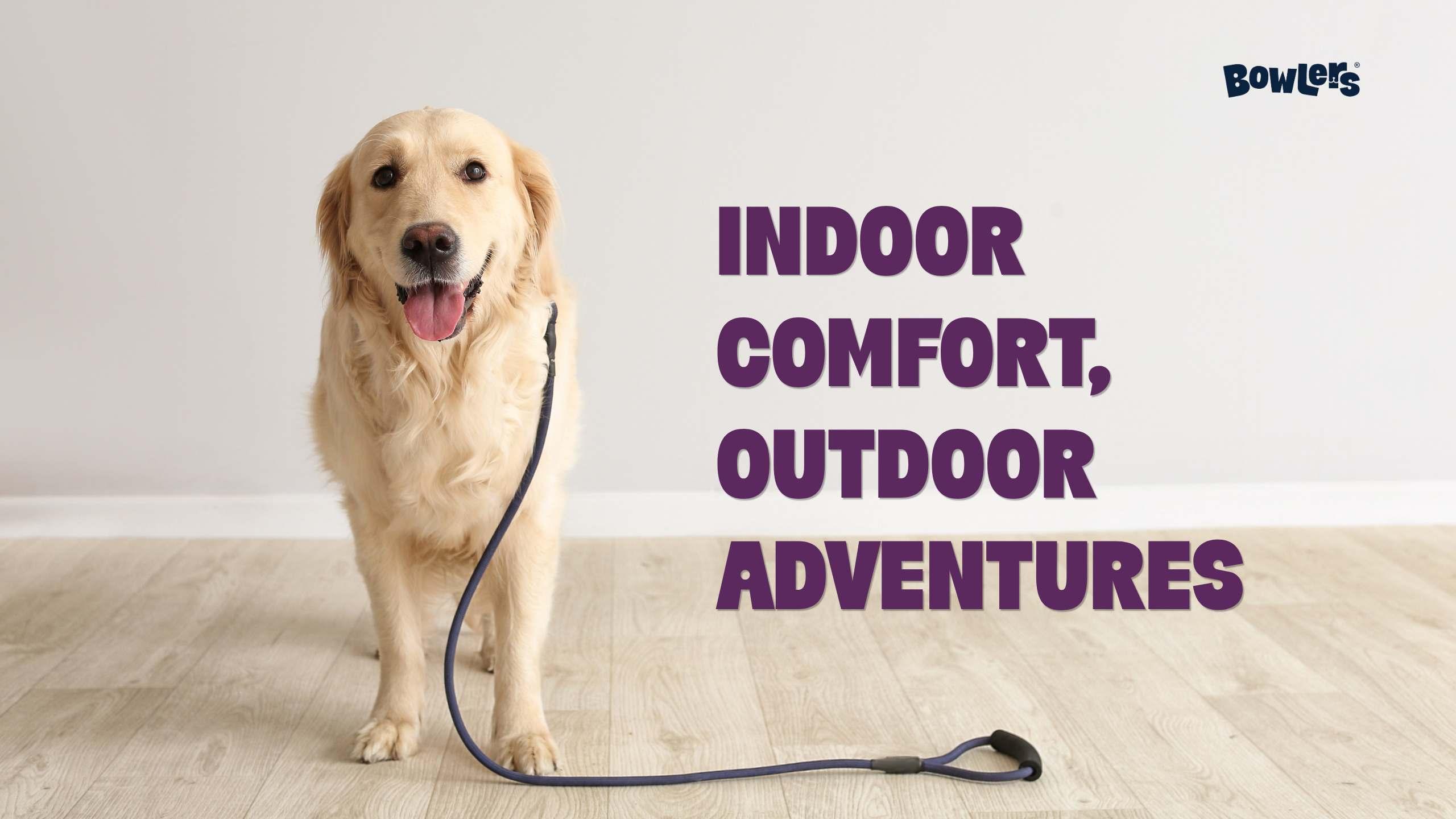
Dogs enjoy the excitement of the outdoors — fresh smells, open spaces, and the chance to explore new surroundings. At the same time, they also love the safety and comfort of home, where they can relax near the people they trust most. A healthy lifestyle for dogs comes from having the right mix of both indoor comfort and outdoor activity.
Responsible pet care is not only about feeding your dog well; it’s also about creating a balanced routine that supports their physical health, mental stimulation, and emotional happiness. Spending too much time indoors can make dogs bored or restless, while excessive outdoor activity without enough rest can leave them tired and overstimulated.
A balanced daily routine that includes indoor engagement, outdoor exercise, proper nutrition, and quality rest helps dogs stay healthy, calm, and emotionally secure.
Why Dogs Need Indoor and Outdoor Experiences
Dogs benefit from both environments in different ways. Outdoor spaces stimulate their senses and encourage exploration, while indoor environments provide relaxation, safety, and recovery.
Maintaining a healthy balance can support:
- Better physical fitness
- Emotional stability
- Improved behavior
- Reduced stress and anxiety
- Healthy sleep patterns
- Better digestion and overall wellness
When dogs lack enough stimulation, they often become destructive or overly energetic. On the other hand, constant activity without quiet recovery time may lead to exhaustion or irritability.
Benefits of Outdoor Time for Dogs
Outdoor activities offer far more than simple exercise. Every walk or outing gives dogs an opportunity to experience new sights, smells, sounds, and social interactions.
Outdoor time provides:
- Physical exercise
- Mental stimulation
- Socialization opportunities
- Confidence-building experiences
- Sensory enrichment
Even short outdoor sessions can mentally tire dogs because they constantly process information through scent and observation.
How Outdoor Play Supports Confidence
Dogs that regularly explore different environments often become:
- More adaptable
- Less fearful in unfamiliar situations
- Better socialized
- More emotionally balanced
Simple activities such as walking through parks, exploring new routes, or interacting with friendly dogs help improve their confidence and overall behavior.
Simple Outdoor Activities for Dogs
Outdoor play does not always need to be intense or exhausting. Consistent, moderate exercise is often more beneficial than overexertion.
Healthy outdoor activities include:
- Daily walks around the neighborhood
- Playing fetch in open spaces
- Light jogging sessions
- Nature or trail walks
- Supervised playdates with other dogs
The goal is to provide healthy movement and stimulation while keeping the experience enjoyable and stress-free.
Why Indoor Activities Are Important
Many pet owners live in apartments, have busy schedules, or face weather conditions that limit outdoor time. This makes indoor activities equally valuable for maintaining a dog’s well-being.
Indoor enrichment helps dogs:
- Stay mentally active
- Release energy safely
- Avoid boredom
- Build confidence
- Strengthen their bond with family members
Some dogs, especially puppies and senior dogs, may actually benefit more from shorter outdoor sessions combined with calm indoor engagement.
Effective Indoor Activities for Dogs
Indoor games do not need to be complicated or expensive to be effective. Often, simple activities provide excellent mental stimulation.
1. Hide-and-Seek
Hide treats or favorite toys around the house and encourage your dog to search for them.
This activity improves:
- Problem-solving abilities
- Natural sniffing instincts
- Mental focus and concentration
2. Tug Games
Short tug sessions can help release energy and strengthen trust between you and your dog.
For safe play:
- Use durable tug toys
- Keep the game controlled
- Teach commands like “drop” or “leave it”
3. Puzzle Toys and Slow Feeders
Mental exercise is just as important as physical movement. Puzzle feeders encourage dogs to think, problem-solve, and stay occupied during the day.
These are especially helpful for dogs left alone for short periods.
4. Indoor Training Sessions
Practicing simple commands keeps dogs mentally engaged while reinforcing discipline and communication.
Training ideas include:
- Sit
- Stay
- Paw
- Spin
- Come
Short training sessions can greatly improve focus and behavior.
Finding the Right Balance for Your Dog
Every dog has unique needs. The ideal balance between indoor and outdoor time depends on factors such as:
- Breed
- Age
- Energy level
- Health condition
- Personality
For example, high-energy breeds usually require more outdoor activity, while smaller or calmer breeds may be satisfied with moderate exercise and more indoor relaxation.
Observing your dog’s behavior is the best way to understand their individual needs.
Signs Your Dog Needs More Outdoor Activity
Your dog may require additional exercise or stimulation if they show signs such as:
- Excessive barking
- Hyperactivity indoors
- Chewing furniture or household items
- Restlessness
- Difficulty settling down
These behaviors are often caused by boredom or insufficient stimulation.
Signs Your Dog Needs More Rest
Too much activity or overstimulation can also affect your dog negatively.
Common signs include:
- Irritability
- Overexcitement
- Fatigue
- Withdrawal or lack of interest
- Reduced appetite
Dogs need proper recovery time just like humans do.
Building a Healthy Daily Routine
Balanced pet parenting is about consistency rather than constant entertainment.
A healthy routine may include:
- A morning walk
- Quiet indoor rest during the day
- Evening playtime or exercise
- Mental enrichment activities
- Relaxed bonding time at night
Consistent routines help dogs feel emotionally secure and maintain balanced energy levels.
For complete scheduling guidance, you can also explore: Morning & Evening Routine Ideas for Dogs.
The Importance of Nutrition
Exercise and play are essential, but proper nutrition supports every part of a dog’s lifestyle.
Bowlers Pet Food recipes are designed to support:
- Steady energy levels
- Healthy digestion
- Strong muscles and joints
- Healthy skin and coat
- Strong immunity
Good nutrition helps dogs recover faster, stay active longer, and maintain overall wellness.
Indoor Time Is Also About Emotional Connection
Dogs do not only value activity — they also value companionship.
Indoor time often provides:
- Emotional comfort
- Physical affection
- Quiet companionship
- Stronger family bonding
Sometimes simply resting beside their owner can make dogs feel safe, calm, and happy.
Common Mistakes Pet Owners Make
Some routine mistakes can affect a dog’s overall well-being, including:
- Assuming walks alone are enough
- Ignoring mental stimulation
- Overexercising energetic dogs
- Leaving dogs alone without enrichment
- Treating indoor time as unimportant
Dogs need both physical movement and mental engagement to truly thrive.
Final Thoughts
Creating a healthy balance between indoor activities and outdoor play is one of the best ways to support your dog’s physical and emotional health.
Some days may involve long walks and outdoor adventures, while others may focus on indoor games, rest, and quality bonding time. Both are equally valuable.
A balanced routine built on exercise, mental stimulation, emotional comfort, and proper nutrition helps dogs live happier, healthier, and more fulfilling lives.
FAQs
Q1. How much outdoor time does a dog need each day?
Most dogs benefit from 30 to 60 minutes of outdoor activity daily, depending on their breed, age, and energy level.
Q2. Can indoor activities replace outdoor walks?
Indoor activities provide mental stimulation, but outdoor walks remain important for exercise, exploration, and socialization.
Q3. What are some good indoor activities for dogs?
Puzzle toys, hide-and-seek, training sessions, and tug games are excellent indoor enrichment activities.
Q4. How can I tell if my dog is bored?
Common signs include barking excessively, chewing household items, restlessness, or attention-seeking behavior.
Q5. Why is routine important for dogs?
Consistent routines help dogs feel secure, reduce anxiety, and maintain balanced physical and emotional health.

 عربي
عربي