


 SPARK Website
Why do modern brands invest in food presentation ideas?
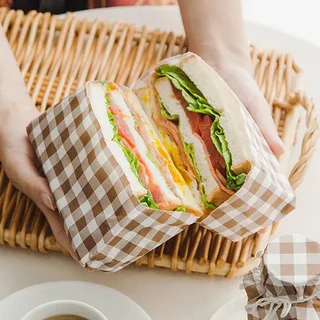
Food today is not only about taste. People also look at how it looks before they even try it. A clean, colorful, and well-arranged food can change how someone feels about it. This is why many companies spend time and effort on visual food styling. When food looks fresh and neat, people feel more excited to eat it. Even small changes like color balance or neat wrapping can make a big difference. Modern brands know that customers remember what they see first, not only what they taste later.
How does food appearance influence buying decisions?
Food appearance directly affects buying behavior because the people's brain links visual order with a quality feeling. When two food options have the same price, customers often select an option that appears more organized. This happens without a conscious thought process. Visual presentation builds early expectation of taste and freshness. Even before eating, mental judgment forms based on arrangement and cleanliness. When food looks fresh, structured, and balanced, confidence increases. When food looks uneven or poorly placed, hesitation begins.
Why does the first visual impression matter in food branding?
First visual impression plays a major role in food branding because customer judgment begins at first glance. Within seconds of receiving food, the mind creates assumptions about the quality level. That assumption often stays even after the eating experience. When food appears structured and balanced, customers feel a sense of reliability. When appearance looks careless, doubt appears even before tasting begins. This reaction happens automatically and affects overall brand perception.
Food businesses now treat first impressions as a controlled part of the service process. Serving rules, plating style, and wrapping layout are designed to maintain consistency. Repeated visual experience builds memory in the customer's mind.
How does wrapping support food presentation in modern businesses?
Wrapping plays a direct role in food presentation because the final customer experience often depends on how food arrives. Wrapping is not only a protective layer but also a visual frame that shapes the perception of food. Many businesses now use printed wraps and custom designs to improve visual appeal. One example is custom sandwich wrap paper, which helps keep sandwiches neat while also adding a branded look. This small detail makes food feel more organized and professional.
How do online platforms change food presentation choices?
Online platforms strongly influence food presentation because food sharing has become a common behavior. Many customers take pictures before eating and share them across social networks. This behavior changes how food is designed and arranged. Food businesses now consider visual appearance for camera angle and lighting effect before serving. Simple arrangement, clear structure, and visible main items become priority. Overloaded plates or unclear presentation reduce shareability.
A small café example shows impact clearly. The same food items received limited attention before the social sharing trend.
Why does a simple arrangement improve food appeal?
Simple arrangement improves food appeal because people's attention processes clear structure faster than complex visuals. When the plate contains fewer distractions, the main item becomes the focus point. This clarity increases interest and understanding. Many food outlets now reduce unnecessary decoration on plates. Space usage becomes intentional rather than crowded. Balanced space helps food stand out naturally without additional effort.
Wrapping follows the same principle. Clean and simple wrapping improves the readability of the product. Customers prefer a quick understanding without confusion. A simple presentation also reduces the perception of mess during the eating process. This approach supports both dine-in and takeaway experiences.
How does presentation build customer trust?
Customer trust develops through consistent visual signals in food presentation. When food appears clean and properly arranged every time, belief in quality increases. Trust does not form from single experience but repeated visual confirmation. Careless presentation creates doubt about hygiene and preparation standards. Even strong taste cannot fully remove negative visual impressions. Appearance acts as the first filter for trust formation.
Consistent plating style, uniform wrapping, and balanced serving build reliability. Customers feel safer when food looks predictable in positive way.
How do food businesses use wrapping in customer experience?
Food businesses use wrapping as part of overall customer experience rather than only as a transport tool. Wrapping controls the first contact moment when a customer receives food. Brands design wrapping to match identity across all products. Color tone, material choice, and layout remain consistent. This creates a unified experience from the kitchen to the customer's hand. A wrapping support company such as Wax Papers Hub, helps food businesses maintain this consistency by offering structured design solutions. Proper wrapping design reduces confusion and increases recognition value.
Why does food carry meaning beyond taste?
Food carries meaning beyond taste because presentation communicates emotion, effort, and the identity of the brand. The customer not only eats food but also reads visual messages attached to the serving style. Different presentation styles send different signals. A clean arrangement may represent order, while a creative layout may represent innovation. Simple wrapping may reflect honesty and a direct service approach. Small food shop examples show an emotional connection clearly. After minor wrapping changes and small presentation improvements, customers started feeling a stronger attachment with the brand.
How do materials change the appearance?
Materials used in food wrapping and serving influence how food is perceived. Strong and clean material improves the stability and visual structure of food. Weak material may reduce trust even if food quality remains the same. Some food businesses use custom wrapping paper to maintain the structure and cleanliness of the product during serving and delivery. Proper wrapping helps maintain shape and reduces mess.
Material texture also affects perception. A smooth surface gives a neat feeling, while a printed surface adds identity. The choice of material depends on the brand message and customer expectations. Proper material selection supports both hygiene and presentation quality in the food service industry.
How can small businesses improve presentation without high cost?
Small businesses can improve food presentation without heavy investment by focusing on simple structure and cleanliness. Proper arrangement of items creates great visual improvement without additional cost. Consistent wrapping style builds recognition even with limited resources, wholesale custom sandwich paper. Lighting adjustment and serving order also improve appearance significantly.
Many small food shops achieve better results only through discipline in serving methods. No advanced tools required. Attention to detail becomes the main factor that changes customer response.
How do wrapping partners support brand identity?
Wrapping partners support brand identity by creating a consistent visual system across all food items. They design wrapping that matches the brand message and customer expectations. Uniform design helps customers recognize brands easily even without reading names. Consistency builds familiarity and trust over time.
Wrapping experts also reduce production variation, ensuring the same look across batches. This stability improves customer experience and strengthens brand memory. When food businesses work with wrapping partners, focus remains on food preparation while visual consistency remains controlled externally. This balance improves efficiency and long-term brand stability in a competitive market environment.

 عربي
عربي