


 SPARK Website
Katichakrasana Procedure: Step-by-Step Guide, Benefits, and Precautions
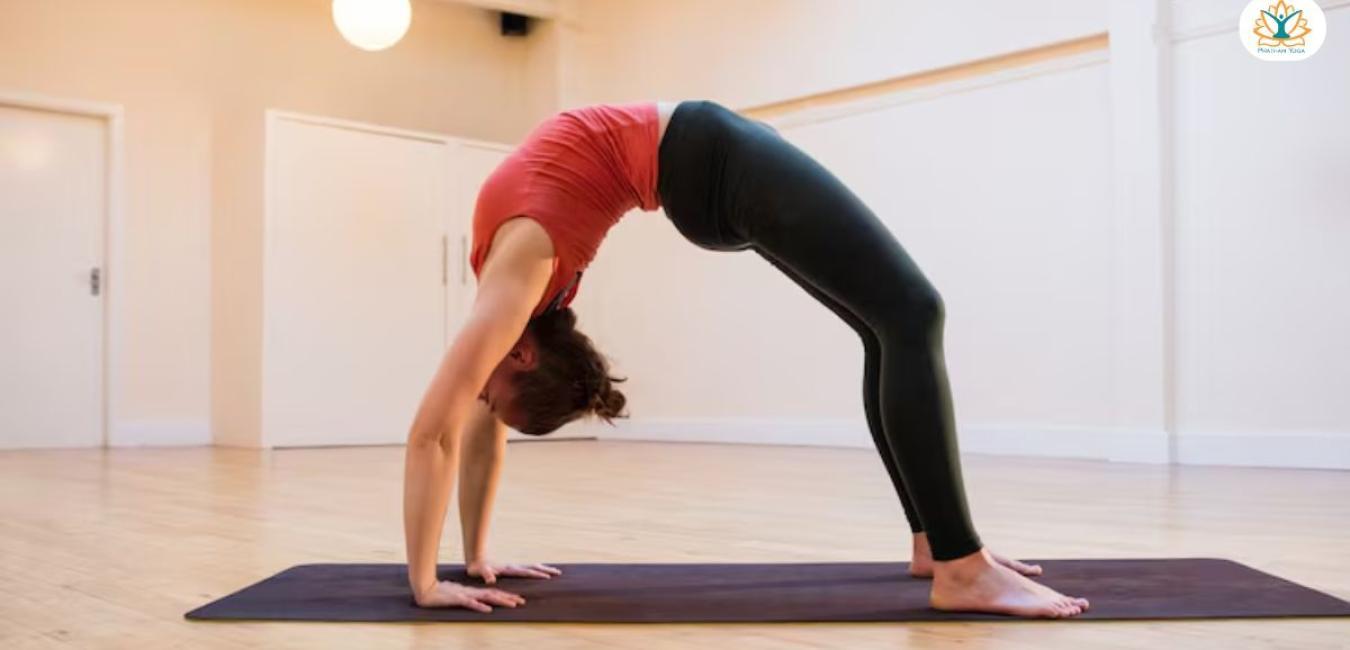
Yoga is one of the best ways to improve flexibility, strength, and overall wellness. Among the many beneficial yoga poses, Katichakrasana is a simple standing posture that offers excellent results for the spine, waist, and body flexibility. Understanding the katichakrasana procedure correctly is essential to gain maximum benefits and avoid injuries.
The term Katichakrasana is derived from Sanskrit words: “Kati” meaning waist and “Chakra” meaning wheel or rotation. Therefore, Katichakrasana is often called the Waist Rotating Pose or Standing Spinal Twist Pose. This yoga pose involves twisting the torso in a standing position, which helps improve spinal mobility, reduce stiffness, and strengthen muscles around the waist and back.
In this detailed guide, you will learn the complete katichakrasana procedure, along with its benefits, precautions, breathing techniques, mistakes to avoid, and why it should become part of your daily yoga routine.
What is Katichakrasana?
Before understanding the katichakrasana procedure, it is important to know what this yoga pose is all about.
Katichakrasana is a standing yoga asana that involves twisting the upper body from one side to another while keeping the lower body stable. It is commonly practiced during yoga warm-up sessions because it gently loosens the muscles and improves body flexibility.
This asana is especially useful for people who spend long hours sitting at desks, suffer from mild back stiffness, or want to tone their waist area naturally.
The katichakrasana procedure is beginner-friendly, making it suitable for yoga practitioners of all levels.
Step-by-Step Katichakrasana Procedure
Following the proper katichakrasana procedure ensures better results and reduces the risk of strain or discomfort.
Step 1: Start in a Standing Position
Begin by standing upright on a yoga mat or flat surface.
-
Keep your feet shoulder-width apart.
-
Maintain an erect spine.
-
Relax your shoulders.
-
Keep your arms naturally by your sides.
This is the starting posture for the katichakrasana procedure.
Step 2: Raise Your Arms
Slowly stretch both arms forward at shoulder height.
-
Keep your arms parallel to the floor.
-
Face your palms toward each other.
-
Maintain a relaxed posture.
This step prepares your upper body for the twisting movement.
Step 3: Twist the Body to the Right
Now begin the twisting motion.
-
Slowly turn your torso toward the right side.
-
Place your left hand on the right shoulder.
-
Wrap your right arm around your back near the waist.
-
Turn your neck and look over your right shoulder.
During this part of the katichakrasana procedure, avoid sudden or forceful twisting.
Step 4: Hold the Position
Remain in the posture for a few seconds.
-
Breathe deeply and naturally.
-
Feel the stretch in your waist, back, and shoulders.
-
Stay relaxed.
Holding the posture helps deepen the stretch and improves flexibility.
Step 5: Return to Center
Slowly untwist your body and return to the starting position.
Avoid rushing through the movement. Smooth transitions are essential in yoga.
Step 6: Repeat on the Left Side
Perform the same movement on the opposite side.
-
Twist your torso to the left.
-
Place the right hand on the left shoulder.
-
Wrap the left arm behind your back.
-
Look over your left shoulder.
Repeat the katichakrasana procedure 5–10 times on each side depending on your comfort and flexibility level.
Correct Breathing During Katichakrasana Procedure
Breathing plays an important role in yoga practice. Proper breathing enhances the effectiveness of the katichakrasana procedure.
Here is the ideal breathing pattern:
-
Inhale while standing in the starting position.
-
Exhale while twisting the torso.
-
Breathe normally while holding the pose.
-
Inhale as you return to the center.
Deep breathing increases oxygen flow and helps improve focus and relaxation.
Benefits of Following the Correct Katichakrasana Procedure
Practicing the correct katichakrasana procedure regularly offers numerous physical and mental health benefits.
1. Improves Spinal Flexibility
The twisting movement increases spinal mobility and reduces stiffness. It is especially beneficial for people who sit for extended periods.
2. Tones the Waist
The katichakrasana procedure engages the abdominal and side muscles, helping tone the waist naturally.
3. Strengthens Back Muscles
This yoga pose stretches and strengthens the muscles around the lower back and spine, improving posture and reducing tension.
4. Supports Better Digestion
Twisting poses stimulate digestive organs, which may improve digestion and reduce bloating.
5. Relieves Shoulder and Neck Stiffness
The rotational movement loosens tight muscles around the shoulders and neck.
6. Improves Body Posture
Regular practice helps maintain better body alignment and posture.
7. Boosts Blood Circulation
The twisting action improves blood flow to various parts of the body, especially the spine and abdominal region.
8. Reduces Stress
Like many yoga poses, the katichakrasana procedure encourages mindfulness and relaxation, helping calm the mind.
Why the Katichakrasana Procedure is Important for Beginners
One of the biggest advantages of the katichakrasana procedure is its simplicity.
Unlike difficult yoga poses that require balance or flexibility, Katichakrasana is easy to learn and perform. Beginners can safely practice it without needing advanced yoga experience.
It serves as an excellent warm-up pose and prepares the body for more challenging yoga asanas.
Common Mistakes During Katichakrasana Procedure
Many people unknowingly make mistakes while practicing yoga. To get the best results from the katichakrasana procedure, avoid these common errors:
Twisting Too Fast
Rapid movements can strain the muscles and reduce effectiveness.
Overstretching
Avoid twisting beyond your natural range of motion.
Holding the Breath
Always breathe normally during the pose.
Slouching
Keep your spine upright throughout the movement.
Locking the Knees
Maintain relaxed knees instead of stiffening them.
Correct posture and controlled movement are essential for safe yoga practice.
Precautions While Practicing Katichakrasana Procedure
Although the katichakrasana procedure is generally safe, certain precautions should be considered.
Avoid if You Have Severe Back Problems
People with spinal injuries or severe back pain should consult a doctor or yoga instructor first.
Pregnancy Precaution
Pregnant women should avoid deep twists unless guided by a certified yoga teacher.
Avoid Sudden Movements
Twisting forcefully can strain muscles and joints.
Neck Issues
If you experience neck pain, avoid excessive turning of the head.
Practice Within Limits
Yoga should never cause pain. Listen to your body and practice gently.
Best Time to Practice Katichakrasana Procedure
The ideal time to practice the katichakrasana procedure is early morning on an empty stomach. However, it can also be practiced in the evening if there is a gap of at least 3–4 hours after meals.
You can include this yoga pose:
-
During morning yoga sessions
-
As a warm-up exercise
-
During office breaks to relieve stiffness
-
As part of a daily stretching routine
Consistency is key to experiencing long-term benefits.
Katichakrasana Procedure for Weight Management
Many yoga practitioners include the katichakrasana procedure in fitness routines because it activates core muscles and tones the waist area.
Although it is not a high-calorie-burning exercise, it supports weight management by:
-
Improving metabolism
-
Strengthening abdominal muscles
-
Encouraging regular movement
-
Supporting digestion
For better results, combine Katichakrasana with healthy eating habits and other yoga postures.
Yoga Poses to Practice Alongside Katichakrasana
You can combine the katichakrasana procedure with other yoga poses for a balanced practice.
Some recommended asanas include:
-
Tadasana (Mountain Pose)
-
Trikonasana (Triangle Pose)
-
Bhujangasana (Cobra Pose)
-
Vajrasana (Thunderbolt Pose)
-
Pavanamuktasana (Wind Relieving Pose)
These poses together improve flexibility, posture, and body strength.
Conclusion
The katichakrasana procedure is one of the easiest and most effective yoga practices for improving spinal flexibility, toning the waist, and reducing stiffness in the body. Its gentle twisting motion makes it suitable for beginners as well as experienced practitioners.
By following the proper katichakrasana procedure, maintaining correct breathing, and practicing consistently, you can enjoy multiple health benefits ranging from improved posture and digestion to reduced stress and increased flexibility.
Since this yoga pose is simple and requires no equipment, it can easily be practiced at home, in yoga classes, or even during short work breaks. Add the katichakrasana procedure to your daily wellness routine and experience the positive transformation it can bring to your body and mind.

 عربي
عربي