


 SPARK Website
How Reverse Collection Machines Reduce Plastic Bottle Waste
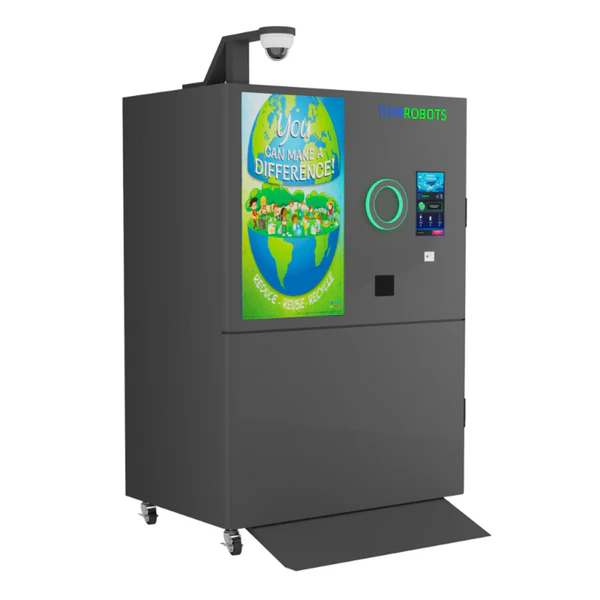
Plastic bottles disappear from people’s hands very quickly. Someone buys a drink, finishes it during a commute or shopping trip, and suddenly the empty bottle becomes somebody else’s problem. Sometimes it gets recycled properly. Many times, it doesn’t.
That’s one reason plastic bottle waste became such a visible issue in public spaces. Parks, transport stations, shopping centres, stadiums, and campuses all deal with huge amounts of disposable containers every single day. Traditional recycling bins helped a little, but they also created problems — overflowing waste, incorrect sorting, and bottles ending up mixed with general rubbish.
A reverse collection machine changed part of that process by making recycling faster, easier, and much more organised for everyday users.
People Recycle More When It Feels Simple
Most people are not intentionally careless about recycling. Usually, convenience decides what happens next.
If a recycling bin looks full, confusing, or too far away, many people simply throw bottles into the general waste because it feels quicker. Public behaviour often follows the easiest option available at the moment.
That’s why reverse collection systems work surprisingly well. Someone inserts a bottle, the machine accepts it immediately, and the process feels straightforward.
One shopping center manager mentioned customers started recycling far more consistently after machines were installed near food courts because people no longer had to think about sorting or finding the correct bin. Honestly, removing confusion changes behaviour faster than awareness campaigns sometimes do.
Traditional Recycling Bins Create Their Own Problems
Open recycling bins sound simple until large crowds start using them constantly. Bottles get mixed with food waste. Containers overflow during busy hours. Sticky drink spills collect around bin areas. Staff spend extra time sorting recyclable items manually afterwards.
A recycling return machine helps reduce many of those issues because bottles stay organised inside the system instead of piling up loosely in public areas.
That creates:
-
Cleaner surroundings
-
Better sorting accuracy
-
Less contamination
-
Easier waste collection
-
More organised recycling overall
And honestly, cleaner recycling areas encourage more people to participate because the process feels maintained instead of neglected.
Plastic Bottles Need Better Sorting Early
One major recycling problem happens long before bottles reach recycling facilities. Incorrect sorting ruins recyclable waste surprisingly often. Once bottles become mixed with food scraps, liquids, or general rubbish, processing them properly becomes much harder later.
A reverse vending system helps because it identifies acceptable containers automatically instead of relying completely on public judgment.
That early sorting matters a lot. One operations worker explained that contamination dropped significantly once automated bottle systems replaced some traditional open recycling stations. Customers stopped throwing random rubbish into recycling bins because the machines only accepted specific containers. Sometimes systems work better simply because they remove uncertainty.
Public Spaces Stay Cleaner
Overflowing bottle bins make public spaces feel messy very quickly. People notice loose bottles near entrances, crowded food courts, or transport stations almost immediately. Even small amounts of visible waste affect how organised a space feels overall.
A properly managed reverse collection machine helps because containers stay compressed and stored internally instead of overflowing onto surrounding areas.
That becomes especially important in:
-
Shopping centres
-
Airports
-
Stadiums
-
Universities
-
Public transport hubs
One stadium manager admitted cleanup crews spent noticeably less time handling scattered bottle waste after automated recycling systems were installed near seating areas. And honestly, less visible rubbish improves the overall environment for everybody using the space.
Rewards Make Recycling Feel More Engaging
This surprised many businesses initially. People respond differently once recycling becomes interactive instead of passive. Some systems offer digital rewards, loyalty points, coupons, or refund incentives after containers are returned. That small feedback loop changes behaviour.
One university introduced bottle return machines that gave students café discounts after recycling containers. Staff expected moderate participation. Instead, students started actively collecting bottles before leaving campus areas.
The recycling itself became part of routine behaviour because there was immediate interaction attached to it. Honestly, people engage more once recycling feels active instead of invisible.
Businesses Are Paying More Attention to Waste
Large public venues deal with enormous amounts of disposable packaging every day.
Plastic bottles create constant waste flow inside:
-
Shopping centres
-
Entertainment venues
-
Corporate campuses
-
Schools
-
Event spaces
Traditional recycling methods often struggle during peak hours because staff cannot constantly monitor every waste area manually.
A recycling return machine helps businesses organise bottle collection more efficiently before waste even reaches larger disposal systems.
That reduces:
-
Overflow problems
-
Labour pressure
-
Waste contamination
-
Manual sorting work
-
Collection inefficiencies
And honestly, businesses usually start investing more seriously once they realise cleaner recycling systems also reduce operational headaches.
People Trust Visible Recycling More
A lot of recycling processes happen behind closed doors where customers never see them. Reverse collection systems feel different because the recycling process becomes visible and interactive in public spaces. People physically insert containers and watch the system accept them immediately. That visibility builds more trust.
One retail customer mentioned she recycled more often after using automated return stations because the process felt “real” instead of wondering whether bottles inside regular bins actually got recycled later. That reaction matters because public trust plays a surprisingly large role in participation rates.
Bottle Waste Adds Up Faster Than People Expect
Most individuals don’t think one plastic bottle matters much. But public spaces process thousands of bottles every week. Airports, stadiums, universities, and shopping centres deal with enormous container waste volumes daily.
A reverse vending system helps reduce that pressure because bottles are collected, sorted, and prepared for recycling much earlier in the waste cycle.
The earlier the bottles get separated properly, the better the chances they actually become recyclable material again instead of ending up in a landfill unnecessarily.
And honestly, large-scale waste problems usually improve through many small, consistent actions rather than one dramatic solution.
Recycling Becomes Part of Everyday Behaviour
One interesting thing happens once reverse collection systems become common in public spaces.
People stop seeing recycling as extra effort.
Returning bottles starts feeling routine, similar to throwing rubbish away normally. The easier the process becomes, the more naturally people participate without needing constant reminders or campaigns.
That’s probably one of the biggest reasons these systems keep expanding globally. They fit into everyday behaviour instead of asking people to completely change how they live.
Final Thoughts
Plastic bottle waste became such a major issue partly because traditional recycling systems relied heavily on perfect public behaviour. In reality, people are busy, distracted, and usually choose whichever option feels easiest in the moment.
That’s why automated collection systems work so well. A reverse collection machine simplifies recycling, improves sorting accuracy, reduces public waste problems, and encourages participation without making the process complicated.
Cleaner public spaces, better recycling habits, and more organised waste collection all grow from that one simple idea—making recycling easier than throwing bottles away carelessly. And honestly, once people see how simple the process can be, most are perfectly willing to participate regularly.

 English