


 SPARK Website
Key Considerations for Planning a Hair Transplant Procedure
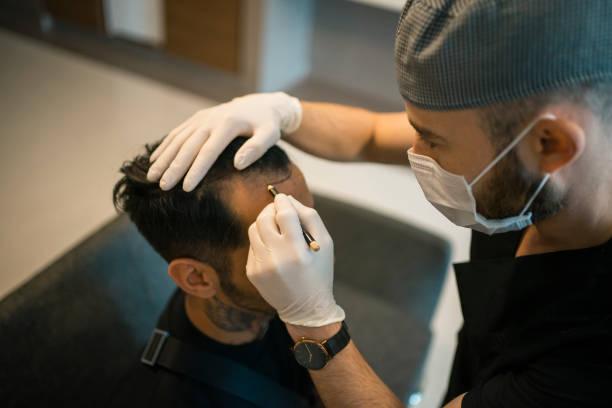
Hair restoration has become one of the most sought-after cosmetic solutions for individuals experiencing hair thinning or baldness. Planning a hair transplant procedure requires thoughtful preparation, realistic expectations, and an understanding of what contributes to successful results. From evaluating hair loss patterns to understanding recovery expectations, every aspect plays an important role in achieving a natural and satisfying outcome. Before moving forward, patients should gather accurate information and make informed decisions to ensure the process aligns with their personal goals.
Many people researching Hair Transplant Cost in Riyadh are also looking for details about treatment planning, procedure suitability, and expected outcomes. Understanding the important factors involved before undergoing treatment can help individuals feel more confident and prepared. If you are exploring Hair Transplant Cost in Riyadh(تكلفة زراعة الشعر في الرياض), knowing what to expect beforehand can significantly improve your overall experience and satisfaction.
Understanding Your Hair Loss Pattern
Hair loss differs from person to person, making it essential to identify the underlying pattern before planning a hair transplant. Some individuals experience receding hairlines, while others may notice thinning on the crown or widespread hair loss. Understanding the stage and severity of hair loss helps determine whether a transplant is suitable and what type of results can realistically be achieved.
A detailed assessment of the scalp and donor area is important because healthy hair follicles are required for transplantation. Strong donor hair ensures better coverage and long-term outcomes, allowing for a more natural appearance after the procedure.
Choosing the Right Hair Transplant Technique
Follicular Unit Extraction (FUE)
One of the most popular techniques is Follicular Unit Extraction, where individual hair follicles are extracted and transplanted into thinning or bald areas. This approach is widely preferred because it minimizes visible scarring and allows for a more precise placement of hair follicles.
Follicular Unit Transplantation (FUT)
Another common method is Follicular Unit Transplantation, which involves removing a strip of scalp from the donor area and separating it into grafts. This technique may be considered for individuals who require a larger number of grafts for extensive hair restoration.
Choosing the right method depends on various factors, including hair density, scalp condition, and personal expectations. Understanding these options helps patients make informed decisions about their treatment journey.
Setting Realistic Expectations
One of the most important considerations when planning a hair transplant is maintaining realistic expectations. While modern hair restoration techniques can significantly improve hair density and appearance, results take time to develop. Hair growth occurs gradually, and final outcomes may take several months to become visible.
Patients should understand that a hair transplant aims to restore natural-looking hair rather than create unrealistic density. Proper consultation and planning can help establish achievable goals that align with the patient’s hair characteristics and long-term expectations.
Preparing for the Procedure
Lifestyle Adjustments Before Treatment
Preparation plays a key role in ensuring a smooth procedure and recovery process. Certain lifestyle adjustments may be recommended to support better healing and improve treatment outcomes. Staying hydrated, maintaining a healthy diet, and following pre-procedure instructions can contribute to optimal results.
Scalp and Hair Care
Proper scalp care before treatment is equally important. A healthy scalp creates a suitable environment for newly transplanted follicles and helps reduce unnecessary irritation before the procedure.
Understanding the Recovery Process
Recovery is another major factor to consider when planning a hair transplant. Mild redness, temporary swelling, or slight discomfort may occur after treatment, which is considered normal during the healing phase. Following post-procedure instructions carefully can support faster recovery and help protect newly transplanted follicles.
Patience is essential during this period because transplanted hair often sheds initially before new growth begins. This temporary phase is part of the natural hair growth cycle and should not be a cause for concern.
Long-Term Hair Maintenance
A successful hair transplant does not end with the procedure itself. Maintaining healthy hair habits is essential for preserving long-term results. Proper scalp hygiene, healthy nutrition, and consistent care can support stronger hair growth and enhance the appearance of transplanted areas.
Additionally, understanding that natural hair loss may continue over time can help patients plan future maintenance if needed. A long-term approach ensures better satisfaction and more consistent outcomes.
Why Proper Planning Matters
Careful planning before a hair transplant can make a significant difference in achieving desirable results. Taking time to understand hair restoration methods, evaluating hair loss severity, and preparing for recovery allows patients to approach the procedure with greater confidence. Informed decisions contribute to a smoother experience and help ensure expectations are aligned with realistic outcomes.
FAQs
Q: Who is a suitable candidate for a hair transplant?
A: Individuals experiencing pattern hair loss with sufficient donor hair are generally considered suitable candidates. A professional assessment helps determine eligibility.
Q: How long does it take to see hair transplant results?
A: Initial growth may begin within a few months, while final results typically become more noticeable over time as hair continues to grow naturally.
Q: Is a hair transplant permanent?
A: Transplanted hair follicles are generally long-lasting because they are taken from areas resistant to hair loss.
Q: Does the transplanted hair look natural?
A: Modern techniques focus on creating a natural hairline and proper follicle placement for realistic-looking results.
Q: What should I avoid after a hair transplant?
A: Patients are often advised to avoid excessive touching of the scalp and follow proper aftercare instructions during the healing period.
Book Your Consultation
If you are considering a hair restoration procedure and want expert guidance tailored to your needs, schedule a consultation with Enfield Royal Clinic(عيادة إنفيلد الملكية). Their professional approach and patient-focused care can help you better understand your options and confidently begin your hair restoration journey.

 عربي
عربي