


 SPARK Website
How Corrugated Box Packaging Is Manufactured Step by Step
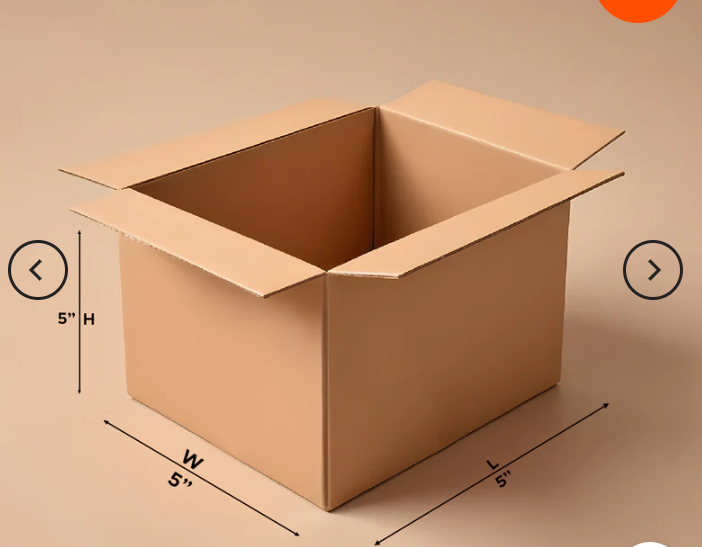
The packaging industry depends heavily on strong, lightweight, and cost-effective packaging solutions to support shipping, storage, ecommerce, food delivery, and industrial transportation. Among all packaging options, the corrugated box remains one of the most widely used packaging products because of its durability, flexibility, and sustainable properties.
Corrugated packaging is used across multiple industries, including ecommerce, retail, manufacturing, electronics, food delivery, pharmaceuticals, and logistics. Although many businesses use corrugated packaging daily, very few understand how these boxes are actually manufactured. The manufacturing process involves multiple carefully controlled stages that help create durable packaging capable of protecting products during transportation and storage.
From raw paper preparation and flute formation to printing, cutting, and final assembly, each manufacturing stage plays an important role in packaging quality and performance.
What Is a Corrugated Box?
A corrugated box is a packaging solution made using layered paperboard structures designed to improve strength and cushioning performance.
Basic Structure of Corrugated Packaging
A corrugated packaging structure generally includes:
- Outer liner board
- Fluted middle layer
- Inner liner board
The fluted layer provides cushioning and compression resistance during shipping and storage.
Step 1: Selection of Raw Materials
The manufacturing process begins with selecting suitable paper materials.
Common Raw Materials Used
Manufacturers typically use:
- Kraft paper
- Recycled paper
- Liner board paper
- Medium paper for fluting
The quality of raw paper directly affects the strength and durability of the final packaging product.
Why Paper Quality Matters
Strong paper improves overall packaging performance.
Benefits of High-Quality Paper
Good paper quality helps:
- Improve box durability
- Increase compression strength
- Reduce transportation damage
- Support better printing quality
Higher-quality paper creates stronger corrugated packaging structures.
Step 2: Fluting Process
Fluting is one of the most important stages in corrugated packaging manufacturing.
How Fluting Works
The paper medium passes through heated corrugating rollers that create wave-shaped patterns called flutes.
Purpose of Fluting
The fluted layer helps:
- Absorb shocks
- Improve cushioning
- Increase structural strength
- Support stacking performance
Different flute sizes are used according to packaging requirements.
Common Flute Types Used in Packaging
|
Flute Type |
Main Benefit |
Common Application |
|
A Flute |
Better cushioning |
Fragile products |
|
B Flute |
Strong stacking support |
Retail packaging |
|
C Flute |
Balanced protection |
Ecommerce shipping |
|
E Flute |
Better printing quality |
Premium packaging |
Flute selection affects both packaging strength and product safety.
Step 3: Liner and Flute Bonding
After flute formation, the fluted layer is attached to liner boards.
Bonding Process
Manufacturers use adhesive materials to combine:
- Outer liner
- Fluted medium
- Inner liner
This process creates the strong layered structure used in corrugated packaging.
Importance of Adhesive Quality
Adhesive performance affects packaging durability significantly.
Why Proper Bonding Matters
Strong bonding helps:
- Improve box stability
- Prevent layer separation
- Increase compression strength
- Improve transportation safety
Poor adhesive quality can weaken the packaging structure.
Step 4: Drying and Heating
After bonding, the corrugated sheets move through heating and drying sections.
Purpose of Drying
Drying helps:
- Remove excess moisture
- Strengthen adhesive bonding
- Improve sheet stability
- Prepare sheets for cutting
Controlled heating improves the overall packaging quality.
Step 5: Printing and Branding
Many businesses customize packaging for branding and product information.
Common Printing Elements
Manufacturers often print:
- Company logos
- Product details
- Shipping labels
- Handling instructions
Custom printing improves packaging presentation and brand visibility.
Importance of Packaging Material Quality
Strong Packaging material selection improves the performance of the final corrugated packaging product.
Benefits of Quality Packaging Materials
Good materials help:
- Improve durability
- Reduce shipping damage
- Support better printing
- Increase packaging reliability
Material quality directly affects long-term packaging performance.
Step 6: Cutting and Shaping
After printing, corrugated sheets are cut into required box dimensions.
Cutting Process
Machines perform:
- Slot cutting
- Creasing
- Die cutting
- Folding line creation
This stage prepares packaging for final assembly.
Step 7: Folding and Box Formation
The cut sheets are folded into box shapes.
Final Assembly Includes
- Folding side panels
- Applying adhesives
- Stapling if required
- Creating final box structure
This stage transforms flat sheets into finished corrugated packaging products.
Why Businesses Still Use a Carry bag
Many retail and takeaway businesses combine corrugated packaging with durable Carry bag solutions for improved customer convenience and easier product transportation.
Step 8: Quality Testing and Inspection
Before shipping, packaging undergoes quality inspection.
Common Packaging Tests
Manufacturers test:
- Compression strength
- Burst strength
- Edge crush resistance
- Moisture resistance
Testing helps ensure safe packaging performance during transportation.
Why Food Businesses Use Specialized Packaging
Food businesses require safe and durable packaging solutions.
Many food delivery businesses use strong Many food delivery businesses use strong Pizza box packaging because it helps:
>Pizza box packaging because it helps:
- Protect food products
- Improve delivery safety
- Maintain food structure
- Support lightweight transportation
Corrugated packaging is widely used in food delivery operations.
Step 9: Bundling and Delivery
Finished packaging products are bundled and shipped to customers.
Final Packaging Preparation
Manufacturers:
- Stack finished boxes
- Bundle packaging units
- Prepare shipment pallets
- Organize logistics transportation
Efficient packaging management improves delivery performance.
Sustainable Benefits of Corrugated Packaging
Modern businesses increasingly prefer environmentally responsible packaging.
Eco-Friendly Features
Most corrugated packaging materials are:
- Recyclable
- Biodegradable
- Made from renewable resources
Sustainable packaging supports environmental goals while maintaining strong product protection.
Importance of Reliable Packaging Manufacturers
Packaging quality depends heavily on manufacturing standards.
Why Manufacturer Selection Matters
Reliable manufacturers help businesses:
- Maintain packaging consistency
- Improve product safety
- Reduce shipping damage
- Access customized packaging solutions
Strong manufacturing standards improve overall packaging reliability.
Smart Tips for Choosing Corrugated Packaging
Check Packaging Strength
Different products require different box strengths.
Select Suitable Flute Types
Flute size affects cushioning and durability.
Focus on Material Quality
Good paper improves packaging performance.
Consider Branding Needs
Custom printing improves brand visibility.
Test Packaging Before Bulk Orders
Testing helps identify performance issues early.
During packaging planning and manufacturing selection, businesses can also explore corrugated packaging solutions and production ideas from boxish.in to better understand modern packaging standards.
Common Packaging Manufacturing Mistakes Businesses Should Avoid
- Using low-quality raw materials
- Ignoring packaging strength requirements
- Poor adhesive bonding
- Incorrect flute selection
- Weak quality testing procedures
Avoiding these mistakes improves packaging durability and shipping reliability.
Conclusion
The corrugated box manufacturing process involves multiple carefully controlled stages that help create durable, lightweight, and reliable packaging solutions for modern industries. From raw paper selection and flute formation to bonding, printing, cutting, and quality testing, each step contributes to packaging performance and product safety.
Corrugated packaging continues playing a major role in ecommerce, retail, manufacturing, logistics, and food delivery industries because it combines strong product protection with sustainability and cost efficiency. Additionally, recyclable and biodegradable packaging materials help businesses support environmentally responsible packaging practices.
As demand for safe and sustainable packaging continues growing, corrugated packaging manufacturing will remain an essential part of global supply chain operations.
FAQs
What materials are used to make corrugated packaging?
Kraft paper, recycled paper, liner board, and fluting medium are commonly used.
Why is the fluted layer important in corrugated packaging?
It provides cushioning, shock absorption, and structural strength.
How are corrugated boxes printed?
Manufacturers print logos, product details, and branding information using industrial printing systems.
Why is quality testing important in packaging manufacturing?
Testing ensures packaging strength, durability, and shipping safety.
Are corrugated packaging materials environmentally friendly?
Most corrugated packaging materials are recyclable and biodegradable.

 عربي
عربي