


 SPARK Website
Why OSHA Compliance Matters for Modern Industries?
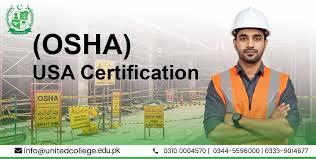
In today’s fast-paced industrial world, workplace safety has become more important than ever. With the increasing use of machinery, chemicals, and advanced technologies, the risk of accidents has also grown. This is where OSHA compliance plays a vital role in ensuring that organizations maintain safe and healthy working environments.
What Does OSHA Compliance Mean?
OSHA compliance refers to following the safety rules and standards set by proper OSHA training. These standards are designed to reduce workplace hazards and protect employees from injuries, illnesses, and fatal accidents.
Compliance includes:
- Following safety regulations
- Providing proper worker training
- Using protective equipment (PPE)
- Maintaining safe working conditions
- Reporting workplace incidents
Importance of OSHA Compliance in Modern Industries
1. Reduces Workplace Accidents
Industries that follow OSHA guidelines experience fewer accidents because risks are identified and controlled early.
2. Improves Employee Productivity
When workers feel safe, they perform better and with more confidence, leading to higher productivity.
3. Avoids Legal and Financial Penalties
Non-compliance with OSHA standards can result in heavy fines, lawsuits, and operational shutdowns.
4. Enhances Company Reputation
Businesses that prioritize safety are trusted more by clients, investors, and employees.
5. Builds a Strong Safety Culture
OSHA compliance encourages organizations to develop long-term safety habits and awareness.
OSHA Compliance in Modern Industrial Sectors
Today, OSHA standards are applied across various industries such as:
- Construction
- Manufacturing
- Oil and gas
- Healthcare
- Electrical and mechanical sectors
Each industry has specific safety requirements tailored to its risks.
Role of Training in OSHA Compliance
Proper training is essential for ensuring compliance with safety standards. Employees must understand how to identify hazards, use equipment safely, and respond to emergencies effectively.
Institutions like the United College of Technology (UCT) help individuals build these essential OSHA safety skills through professional training programs in workplace safety and hazard management.
Final Thoughts on Workplace Safety
OSHA compliance is not just a legal requirement—it is a crucial part of modern industrial success. It protects workers, reduces risks, and ensures smooth operations across all sectors. Organizations that prioritize safety build stronger, more reliable, and more productive workplaces.

 عربي
عربي